
3 Days in Malay
2023
No user ratings available yet
Representation score: 1.3 out of 10
Representation Score
Fair
2025
RDirector
Louis Mandylor
Runtime
113 minutes
Average Rating
No ratings yetNew Showbiz Analysis
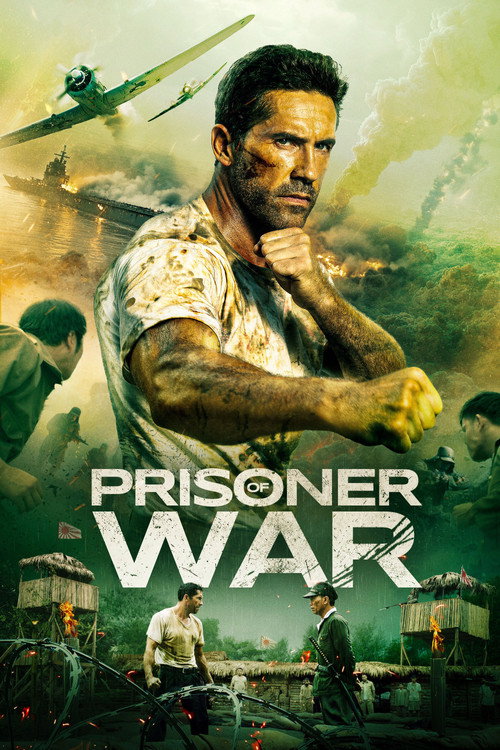
Prisoner of War is a genre-driven action thriller that prioritizes physical resilience and historical combat clichés. The film’s narrative structure is centered around individual resilience and survival within a 1942 setting. While the casting reflects the diverse geopolitical realities of the Pacific Theater, the story remains anchored in traditional masculine heroism. The power dynamics follow conventional historical conflict patterns rather than challenging social norms. Ultimately, the film focuses on the struggle of Allied prisoners against systemic cruelty. It lacks multi-layered complexity, favoring established wartime hierarchies and martial arts action.
Category Breakdown
The film adheres to a traditional wartime framework and does not include any LGBTQ+ characters or critiques of the assumption that everyone is straight or cisgender.
The narrative centers on masculine archetypes of combat and physical dominance. Female characters are largely sidelined, lacking leadership roles or equal intellectual engagement in the primary conflict.
A multi-ethnic ensemble reflects the geopolitical realities of the Pacific Theater. The cast includes actors like Peter Shinkoda and Gabbi Garcia.
The story emphasizes the resistance spirit against an oppressive occupying force. It follows traditional heroic storytelling rather than modern moral relativism.
There is no explicit mention of characters navigating sensory or physical disabilities. Psychological trauma is framed through combat stress rather than nuanced mental health ability to act.
Present on Screen
Limited or Absent
Official Synopsis
British RAF Wing Commander James Wright is captured by the Japanese during WWII and forced to fight in brutal hand-to-hand combat. The Japanese soldiers get more than they bargained for when Wright’s years of martial arts training in Hong Kong prove him to be a formidable opponent.
2023

2004
2010
1965

1987

1983
1973

2001
No reviews yet. Be the first to share your thoughts on this movie!
Use the rating form above to leave a star rating and optional review.