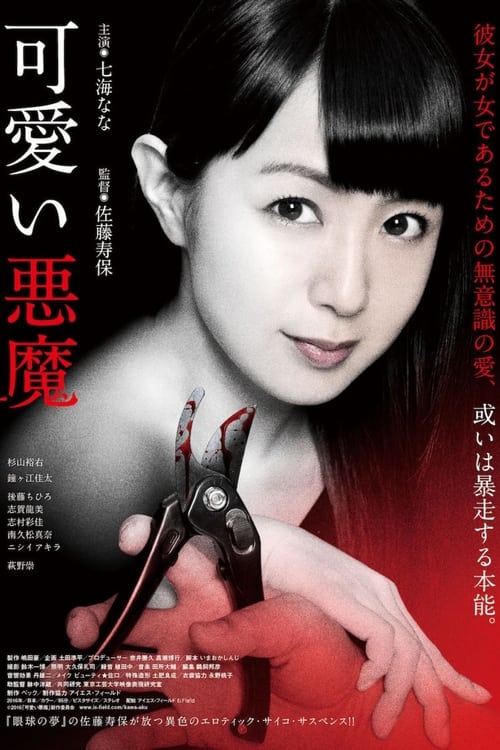
Cute Devil
2018
No user ratings available yet
Representation score: 5.3 out of 10
Representation Score
Fair
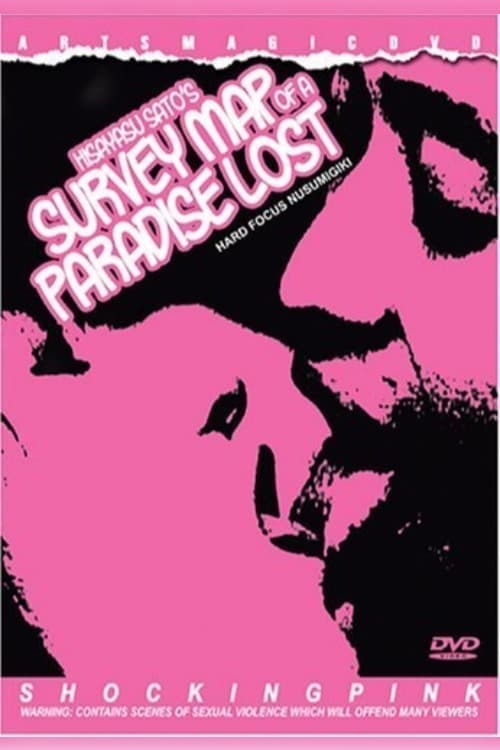
1988
Director
Hisayasu Satō
Runtime
66 minutes
Average Rating
No ratings yetNew Showbiz Analysis
Hisayasu Satō’s film is a transgressive study of urban isolation and social taboos. It challenges conventional morality and explores underrepresented subcultures. However, the film lacks demographic breadth, focusing on a homogeneous cultural framework with no explicit LGBTQ+ identities or disability representation. Ultimately, the work succeeds as a critique of conventional morality, using dark, voyeuristic themes to challenge established social orders.
Category Breakdown
The film examines phone sex clubs and non-traditional intimacy but does not feature explicit LGBTQ+ identities or character arcs.
Midori plays a significant role in driving the story, challenging traditional hierarchies by showing women actively navigating dangerous social systems.
The production focuses on a localized Japanese setting and homogeneous cultural landscape, typical of independent cinema from this era.
The story critiques institutional stability by revealing social institutions as mere facades for chaotic realities, using the 'secret world' of sex clubs.
There is no verifiable evidence regarding the portrayal of physical or neurodivergent disabilities within the narrative.
Present on Screen
Limited or Absent
Official Synopsis
Reporter Nukada’s next big assignment is the secret world of Japanese phone sex clubs. Midori, a part-time employee at the Banana Club, and Kihara, a client with perverted tastes, are his first targets.
2018

2011
1992
1980

1994

1979
1998
1984
No reviews yet. Be the first to share your thoughts on this movie!
Use the rating form above to leave a star rating and optional review.