Wolf Song
1929
No user ratings available yet
Representation score: 1.1 out of 10
Representation Score
Limited
1935
NRDirector
Howard Hawks
Runtime
90 minutes
Average Rating
No ratings yetNew Showbiz Analysis
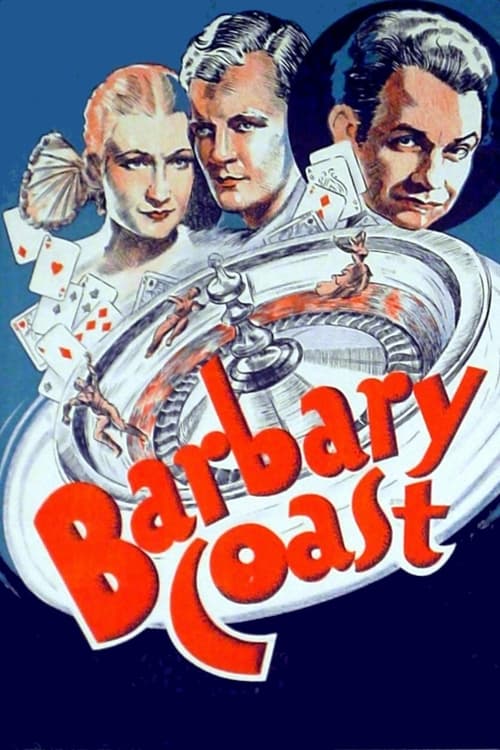
Barbary Coast is a classic example of 1930s studio filmmaking, emphasizing individual adventure and romantic clichés over social complexity. While it steers clear of being a purely passive melodrama, it operates within the demographic norms of its time. The film highlights the ability to act of the female lead, yet it lacks multi-layered depth. The setting evokes a sense of lawlessness, but the narrative focuses on personal stakes rather than systemic issues. Overall, Barbary Coast functions as a traditional genre piece, emphasizing character competence but not challenging the conventional social structures of the mid-1930s.
Category Breakdown
The film follows traditional heterosexual relationships, focusing solely on the romance between Mary Rutledge and Jim Carmichael. There is no representation of same-sex intimacy or non-cisgender identities.
Mary Rutledge showcases resourcefulness in a hyper-masculine environment, providing a nuanced perspective on gender roles. However, the story adheres to traditional romantic resolutions and male-dominated physical conflicts.
The film centers around a predominantly white cast during the Gold Rush era. Despite the diverse history of San Francisco, the narrative lacks a significant role in driving the story for characters of color.
Set against the backdrop of the lawless Barbary Coast, the film explores themes of personal redemption. However, it does not provide a modern critique of Western institutions or capitalism.
There is no representation of physical or neurodivergent disabilities. Characters are portrayed primarily based on their physical vitality and active roles within the Western genre.
Present on Screen
Limited or Absent
Official Synopsis
Mary Rutledge arrives from the east, finds her fiancé dead, and goes to work at the roulette wheel of Luis Chamalis' Bella Donna, a rowdy gambling house in San Francisco in the 1850s. She falls in love with miner Jim Carmichael and takes his gold dust at the wheel. She goes after him, Chamalis goes after her with intent to harm Carmichael.
1929

1954
1945
1954
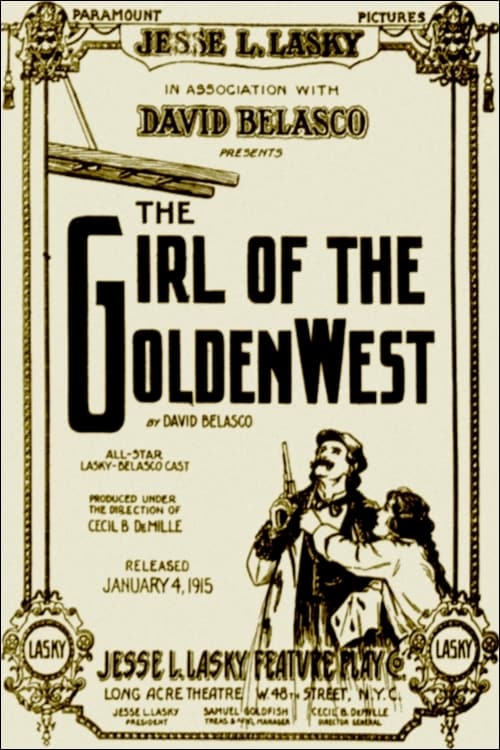
1915
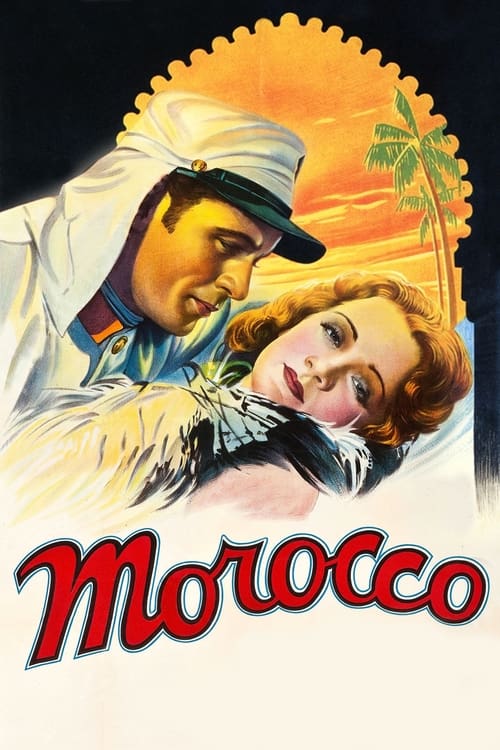
1930
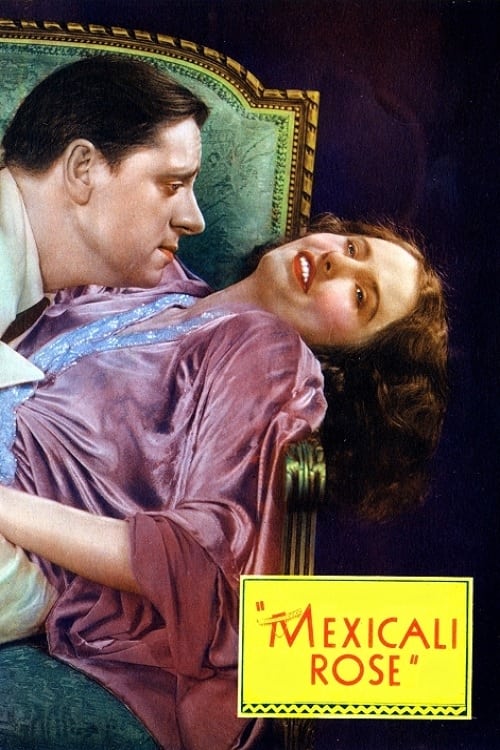
1929
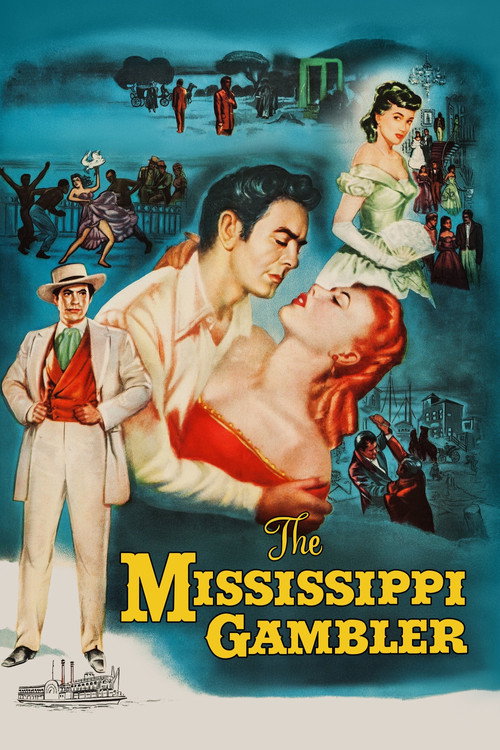
1953
No reviews yet. Be the first to share your thoughts on this movie!
Use the rating form above to leave a star rating and optional review.