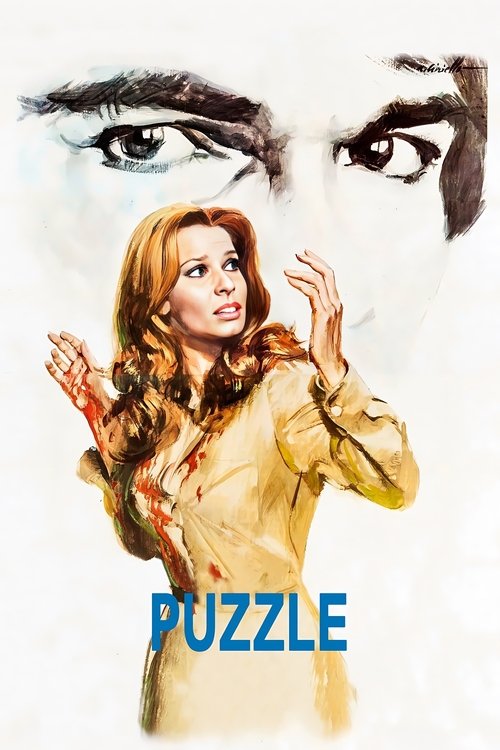
Puzzle
1974
No user ratings available yet
Representation score: 3.7 out of 10
Representation Score
Limited
1965
NRDirector
Freddie Francis
Runtime
85 minutes
Average Rating
No ratings yetNew Showbiz Analysis
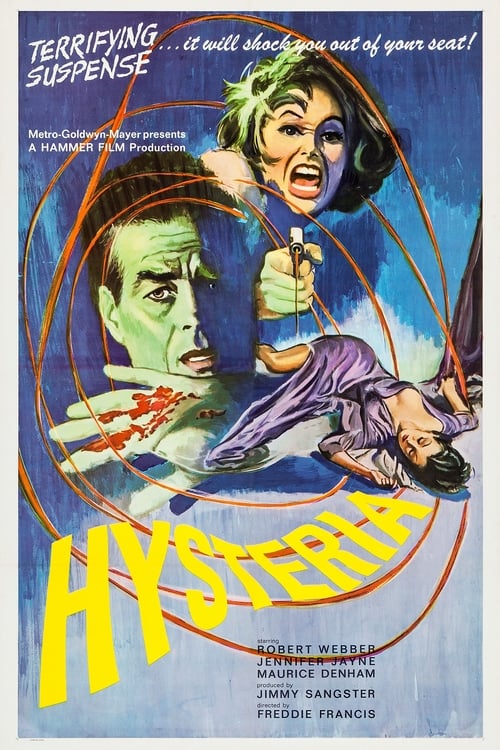
Hysteria is a traditional period comedy that prioritizes genre-based entertainment over exploring diverse identities. It operates within the established social and cinematic norms of 1965, focusing on the tension between superstition and reason. The film adheres to conservative mid-century British filmmaking standards. It does not aim to disrupt conventional expectations about race, gender, or social power dynamics, resulting in a narrative that reinforces rather than challenges traditional hierarchies.
Category Breakdown
The film follows a typical romantic storyline from the 1960s. It doesn't include non-binary gender identities or narratives that challenge the assumption that everyone is straight.
Gender roles in the film reflect the social hierarchy of the time. Female characters are often portrayed through their connection to the occult rather than as leaders in challenging societal norms.
Set in Victorian England, the cast is mostly white. The story doesn't explore significant racial or ethnic diversity or the overlapping aspects of different identities.
The story examines the tension between rational thinking and spirituality. However, it uses these elements as a light-hearted backdrop without critiquing Western institutions.
Characters with visible or invisible disabilities are not shown taking control of their lives. The plot centers on mystery and humor rather than addressing neurodiversity or physical disabilities.
Present on Screen
Limited or Absent
Official Synopsis
An American wakes in an English hospital, unable to remember anything prior to a recent car accident. With only a magazine photograph as a guide, and an unknown benefactor, he attempts to unravel what increasingly looks like a bizarre murder.
1974
1965
1968
1945
1966
1991
1965

2004
No reviews yet. Be the first to share your thoughts on this movie!
Use the rating form above to leave a star rating and optional review.