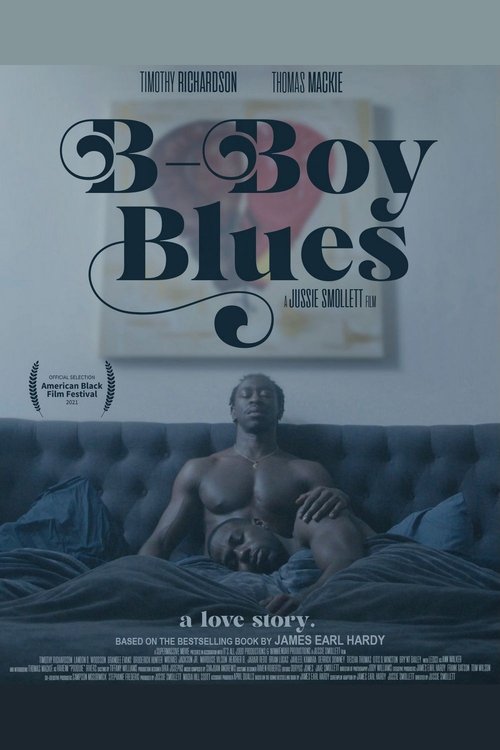
B-Boy Blues
2021
No user ratings available yet
Representation score: 6.1 out of 10
Representation Score
Limited
2002
RDirector
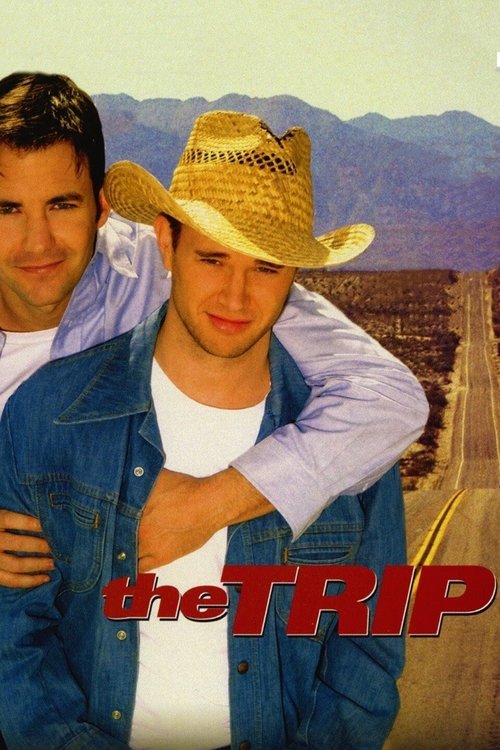
Miles Swain
Runtime
95 minutes
Average Rating
No ratings yetNew Showbiz Analysis
The film stands out through its central focus on LGBTQ+ activism during a transformative era. By centering the plot on a gay-rights activist, the story engages with the historical complexities of queer identity and civil liberties. However, the narrative appears heavily focused on male-driven interpersonal dynamics. This focus limits the exploration of gender diversity and leaves the portrayal of female characters and ability to act largely unaddressed. Furthermore, the lack of information regarding racial and disability representation prevents a more comprehensive assessment of the film's inclusivity.
Category Breakdown
The film centers on a gay-rights activist, placing queer identity at the heart of the narrative. This focus highlights the socio-political struggles of the 1970s.
The story primarily explores the interpersonal dynamics between two male protagonists. There is little evidence of women playing a significant role in driving the story or challenging traditional gender hierarchies.
The available information does not provide details regarding the racial composition of the cast. Consequently, the ethnic diversity of the setting remains unverified.
The ideological conflict between the protagonists suggests a narrative that challenges the social and institutional norms of the 1970s. This framework explores identity-based rights against established structures.
There is no mention of characters navigating physical, neurodivergent, or mental health conditions. The narrative focus remains on political and romantic tension.
Present on Screen
Limited or Absent
Official Synopsis
When 19-year-old gay-rights activist Tommy and 24-year-old Alan first meet in 1973, they find themselves on the opposite sides of the political coin...
2021

2012

2012

2018

2000

2016

2012

1999
No reviews yet. Be the first to share your thoughts on this movie!
Use the rating form above to leave a star rating and optional review.