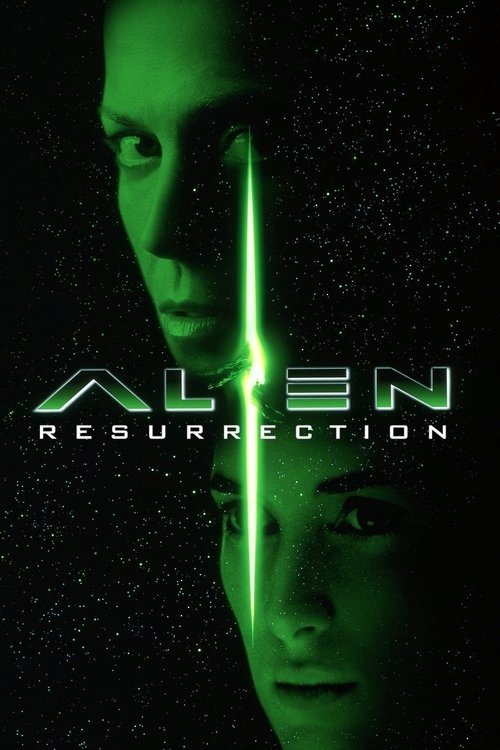
Alien Resurrection
1997
No user ratings available yet
Representation score: 8.2 out of 10

Representation Score
Good
1992
RDirector
David Fincher
Runtime
114 minutes
Average Rating
No ratings yetNew Showbiz Analysis
Alien³ excels as a character-driven narrative that challenges traditional gender roles through Ellen Ripley's autonomy. By placing a female lead in a hyper-masculine, oppressive environment, the film successfully upends conventional gender expectations. However, the film's demographic range is limited, with a lack of intentional ethnic diversity and no representation of LGBTQ+ identities or specific disability experiences. Despite these limitations, the film provides a sophisticated critique of institutional oppression and corporate/governmental structures, offering significant thematic depth. The film's strength lies in its portrayal of institutional oppression and its critique of traditional gender roles. However, it falls short in providing diverse representation, particularly in terms of ethnicity, LGBTQ+ identities, and disability.
Category Breakdown
The film does not include explicit representations of LGBTQ+ identities or same-sex relationships. The narrative centers on the Xenomorph threat and Ripley's personal journey rather than queer identity.
Ellen Ripley stands out as a strong, independent leader who defies traditional gender stereotypes. She is defined by her intellect and determination rather than traditional feminine roles.
The cast is primarily homogeneous, reflecting the limited scope of the penal colony setting. Characters are defined by their socioeconomic status rather than diverse ethnic backgrounds.
The story critiques dehumanizing institutional power and carceral systems. It portrays characters as victims of systemic failures within an oppressive framework.
The film does not feature characters with disabilities. Physical trauma and psychological stress contribute to the horror genre without exploring lived experiences of disability.
Present on Screen
Limited or Absent
Official Synopsis
After escaping with Newt and Hicks from the alien planet, Ripley crash lands on Fiorina 161, a prison planet and host to a correctional facility. Unfortunately, although Newt and Hicks do not survive the crash, a more unwelcome visitor does. The prison does not allow weapons of any kind, and with aid being a long time away, the prisoners must simply survive in any way they can.
1997

1981

2009

1998

2001

1992

2004
2004
No reviews yet. Be the first to share your thoughts on this movie!
Use the rating form above to leave a star rating and optional review.