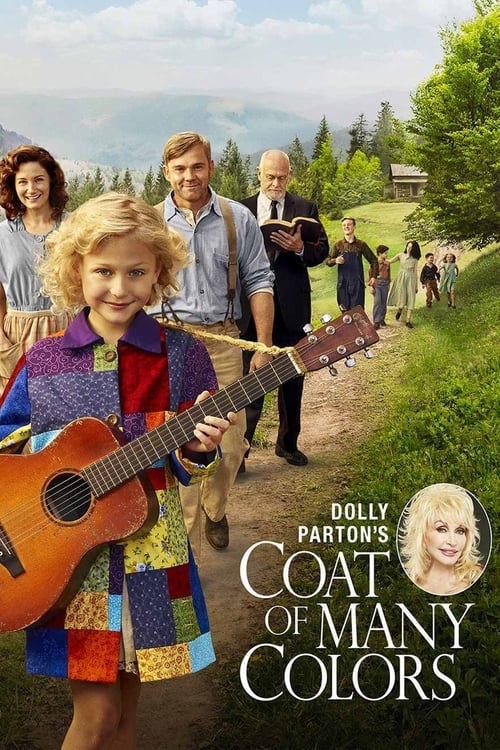
Dolly Parton's Coat of Many Colors
2015
No user ratings available yet
Representation score: 0.8 out of 10
Representation Score
Minimal
2016
TV-GDirector
Stephen Herek
Runtime
85 minutes
Average Rating
No ratings yetNew Showbiz Analysis
This biographical drama prioritizes historical authenticity and the reinforcement of established social and religious hierarchies. It presents a traditionalist narrative centered on the resilience of the nuclear family within a mid-century Appalachian context. The film does not offer multi-layered complexity or subversion of social norms. Instead, it focuses on depicting communal stability and preserving conventional values in the face of systemic poverty. While the film captures a specific socioeconomic era, it does not engage with diverse identities or progressive social dynamics.
Category Breakdown
The film does not feature any LGBTQ+ characters or narratives. The social environment aligns closely with mid-century rural Southern norms.
Gender roles adhere to 1950s hierarchies. The matriarch provides emotional support, while masculinity is defined through the father’s role as a provider and protector.
The cast is primarily white, reflecting the historical demographics of the Great Smoky Mountains. The film emphasizes historical accuracy over color-blind casting.
The story is grounded in traditional Western and Christian values. Faith is portrayed as the main tool for navigating economic hardship and communal challenges.
The film does not depict any specific instances of physical or neurodivergent disabilities. The narrative centers on the challenges of poverty rather than disability-focused stories.
Present on Screen
Limited or Absent
Official Synopsis
An unexpected blizzard threatens the Parton family, while at the same time Dolly's father (and his kids) make sacrifices to raise enough money to finally buy his wife the wedding ring he could never afford to give her. Meanwhile, an important person in little Dolly's life begins to see that her amazing voice and musical gift might just be made for something bigger than rural Tennessee.
2015

2014
1972

2014
2006
2015

2012
2003
No reviews yet. Be the first to share your thoughts on this movie!
Use the rating form above to leave a star rating and optional review.