Find another title
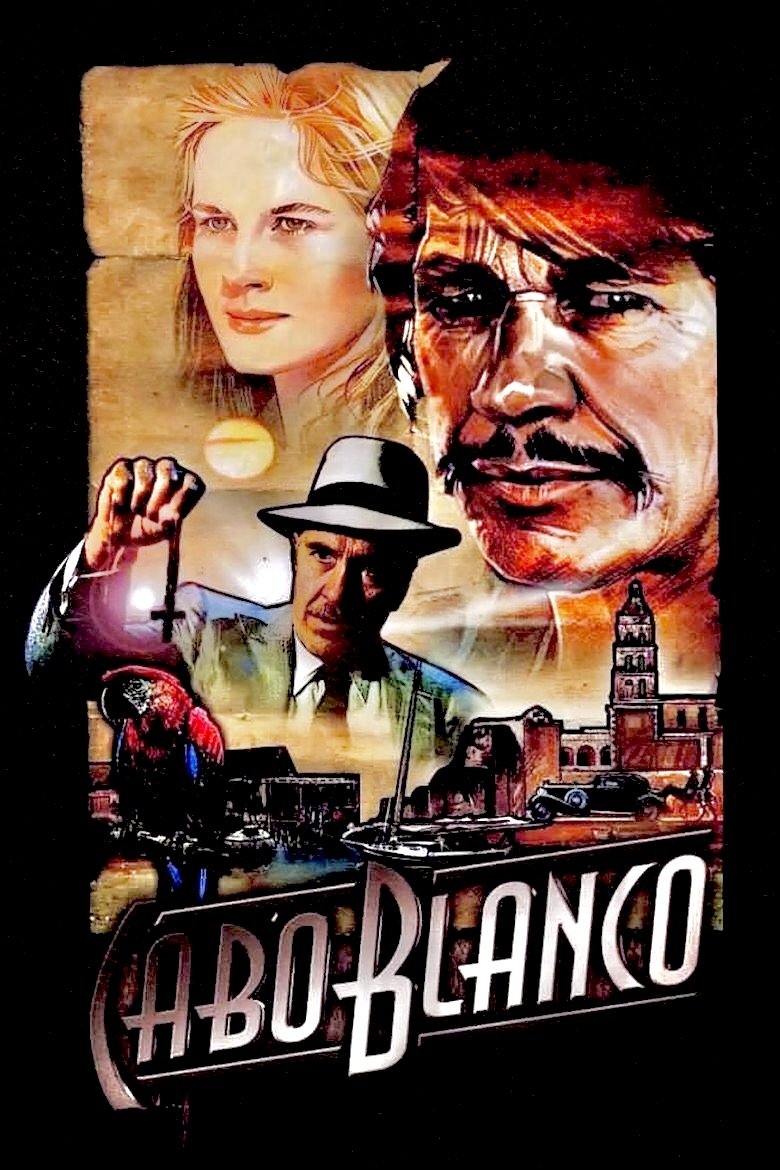
Caboblanco
1980
RDirector
J. Lee Thompson
Runtime
87 minutes
Average Rating
No ratings yetSynopsis
Giff Hoyt, a cafe owner in Cabo Blanco, Peru after World War II is caught between refuge-seeking Nazis and their enemies. After the murder of a sea explorer is passed off as accidental death by the corrupt local police, Giff becomes suspicious. The police chief also intimidates a new arrival Marie, and Giff intervenes to help her. Giff suspects Beckdorff, a Nazi refugee living in the area. Beckdorff, it emerges, is seeking to uncover sunken treasure.
Where to Watch
Diversity & Representation
Overall Score
Limited
Category Breakdown
LGBTQ+ Representation
The film lacks any discernible presence of LGBTQ+ characters or non-cisnormative identities. Interpersonal dynamics are strictly framed within heteronormative romantic tensions.
Gender Representation
The narrative adheres to 1980s cinematic hierarchies, prioritizing male-driven action and agency. While Raquel Welch occupies a central role, her character functions primarily as a catalyst for romantic tension.
Racial & Ethnic Diversity
The production features a predominantly white, international lead cast within a South American setting. The narrative lens focuses on Western outsiders, following a standard colonial-era trope regarding local inhabitants.
Religious & Cultural Diversity
The film utilizes its setting as a backdrop for a conventional crime thriller. While it touches on socioeconomic divides, it remains grounded in a traditional Western framework of conflict.
Disability Representation
There is no significant evidence regarding the portrayal of visible or invisible disabilities within the film's character data.
Strengths
- Explores themes of moral ambiguity and the corrupting influence of the illicit drug trade.
Areas for Improvement
- Lacks agency for local South American characters, favoring a Western outsider perspective.
- Reinforces traditional gender roles by using female characters primarily as romantic catalysts.
- Fails to provide representation for LGBTQ+ identities or individuals with disabilities.
AI Analysis
Caboblanco is a product of its era, relying on conventional casting and traditional narrative structures. The film functions as a standard crime thriller that prioritizes Western perspectives over local agency. While the story explores moral ambiguity and corruption, it does not actively challenge systemic power dynamics or provide intersectional representation. The character dynamics reinforce established gender and racial hierarchies common to 1980s genre filmmaking.
Rate this Movie
Reviews
No reviews yet. Be the first to share your thoughts on this movie!
Use the rating form above to leave a star rating and optional review.