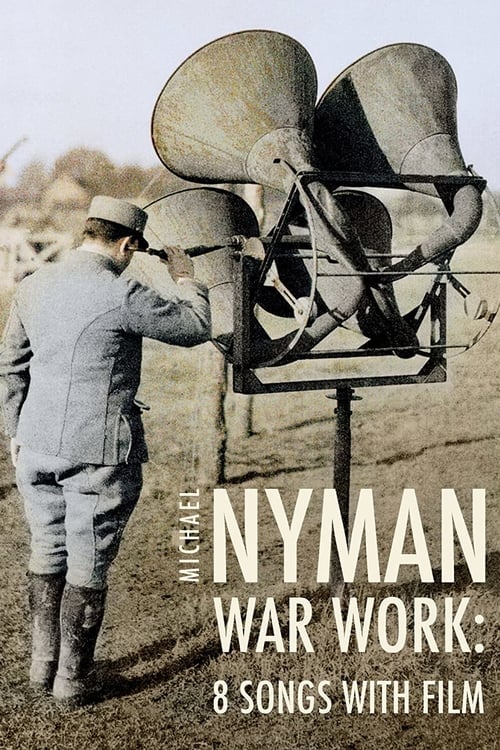
War Work: 8 Songs with Film
2014
No user ratings available yet
Representation score: 7.5 out of 10
Representation Score
Fair
2014
Director
Bill Morrison, David Harrington
Runtime
39 minutes
Average Rating
No ratings yetNew Showbiz Analysis
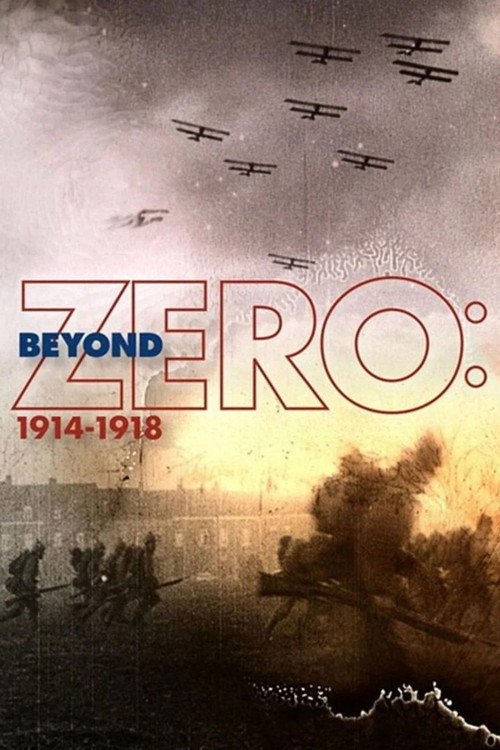
Beyond Zero: 1914-1918 is an experimental, sensory exploration of historical trauma rather than a traditional character-driven narrative. It avoids typical diversity clichés in favor of a multidisciplinary approach to history. The film's strength lies in its ability to challenge the 'Great Man' theory of history. By centering contemporary artistic voices like Vrebalov and the Kronos Quartet, it replaces rigid military history with emotional and systemic insights. However, the reliance on archival footage from the early 20th century limits its ability to escape the era's inherent patriarchal and colonialist perspectives. The work remains a meditation on archives rather than a study of diverse human identities.
Category Breakdown
The film does not include explicit representations of LGBTQ+ characters or narratives. Instead, it focuses on a musical and visual exploration of historical archives.
Aleksandra Vrebalov's role as a composer challenges traditional male-dominated musical hierarchies. However, the archival footage reflects the patriarchal structures of the early 20th century.
The inclusion of Serbian composer Vrebalov introduces a non-Anglo-centric perspective. While the archival imagery reflects colonial-era perspectives, the musical landscape broadens the Western-centric experience.
The film emphasizes artistic truth over nationalistic narratives. By highlighting the power of art to alleviate suffering, it critiques the systemic devastation caused by state-driven institutions.
There are no specific characters with disabilities. The documentary does not address neurodivergence or physical disability as central themes.
Present on Screen
Limited or Absent
Official Synopsis
A response in music and film to the conflict that launched a century of war, and a celebration of the power of art to keep us sane and offer us comfort. Beyond Zero: 1914-1918 brings together three of the world's most pioneering artists: the Kronos Quartet, known for decades for their trailblazing performances and collaborations; acclaimed Serbian composer Aleksandra Vrebalov; and filmmaker Bill Morrison, respected for his work with rare and even partially destroyed archive images.
2014

1992
2006
2018
2009
2014
1995

2008
No reviews yet. Be the first to share your thoughts on this movie!
Use the rating form above to leave a star rating and optional review.