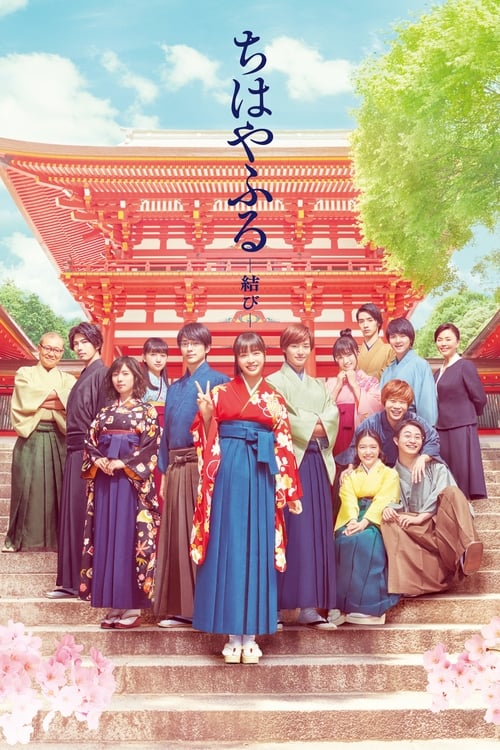
Chihayafuru: Part III
2018
No user ratings available yet
Representation score: 1.7 out of 10

Representation Score
Good
2013
NRDirector
Shuichi Okita
Runtime
160 minutes
Average Rating
No ratings yetNew Showbiz Analysis
Shuichi Okita’s film is a postmodern character study that emphasizes fluid human connections over rigid social structures. It challenges traditional gender roles and questions the need for institutional stability in a capitalist society. However, the film remains limited by its homogeneity. The absence of explicit LGBTQ+ representation and specific disability narratives prevents a higher score in those areas. Overall, the work offers a nuanced critique of societal and economic progress, presenting a sophisticated view of existential drift.
Category Breakdown
The film explores conventional and unconventional romantic relationships but does not feature explicit LGBTQ+ characters or non-traditional gender identities driving the plot. It avoids strict binary thinking.
Ruriko plays a key role in driving the story with significant influence, challenging typical gender hierarchies. Yonosuke breaks traditional masculine stereotypes by embracing a sense of aimlessness rather than conventional stability.
The cast is primarily Japanese, maintaining cultural authenticity within its local context. However, it lacks the multi-layered racial complexity found in more globally diverse stories.
The narrative questions traditional success by focusing on a protagonist who rejects conventional life stages. It finds significance in fleeting connections rather than religious or national traditions.
There are no prominent portrayals of physical or neurodivergent disabilities. The film treats psychological isolation as a universal experience rather than a specific exploration of disability.
Present on Screen
Limited or Absent
Official Synopsis
The year is 1987 and Japan is just reaching the peak of its economic success. Eighteen-year old Yonosuke Yokomichi arrives in Tokyo from Nagasaki. Ordinary in every way possible, he lives in a suburb far from the excitement of the big city and commutes to a university in the center of Tokyo.
2018

1998
2005

2009

2016

1982

2014

2012
No reviews yet. Be the first to share your thoughts on this movie!
Use the rating form above to leave a star rating and optional review.