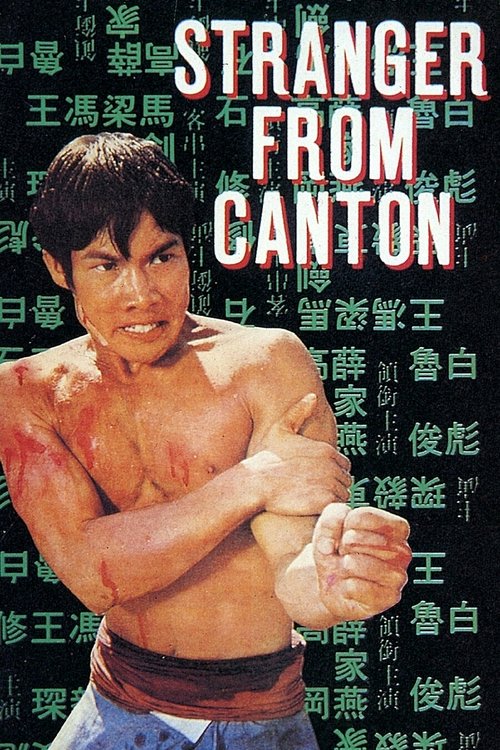
Stranger from Canton
1973
No user ratings available yet
Representation score: 4.5 out of 10
Representation Score
Limited
1973
PGDirector
Lo Wei
Runtime
118 minutes
Average Rating
No ratings yetNew Showbiz Analysis
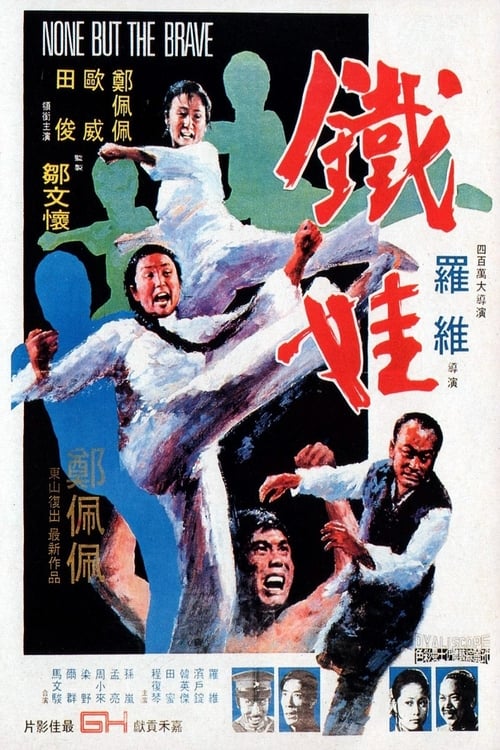
None But the Brave succeeds in providing a strong female lead through Cheng Pei Pei. Her character uses strategic intelligence and deception to navigate a high-stakes political landscape, subverting typical gendered expectations of the era. The film is deeply rooted in historical nationalism and ethnic tension. While it lacks modern multi-layered markers like LGBTQ+ visibility, it offers a culturally cohesive look at 1930s China and the struggle for national identity. However, the film remains a traditional genre piece. It focuses on established authority and patriotic duty rather than deconstructing social hierarchies or addressing disability and diverse identities.
Category Breakdown
The film follows a traditional dramatic structure centered on familial deception and geopolitical conflict. There is no depiction of LGBTQ+ identities or same-sex intimacy.
Cheng Pei Pei provides meaningful representation as a revolutionary leader who challenges female passivity. She uses intellect and deception to navigate a male-dominated military structure.
Set in 1930s China, the film features a predominantly Chinese cast. The ethnic identity of the protagonists drives the central conflict regarding Chinese-Japanese relations.
The narrative focuses on historical nationalism and resistance against external Japanese influence. It aligns with traditionalist views on patriotism rather than postmodernist critiques.
There is no evidence of characters with visible or invisible disabilities being integrated into the story. No such characters are used as plot devices.
Present on Screen
Limited or Absent
Official Synopsis
Story is about how a revolutionist, played by Cheng Pei Pei, taking on the identity of a Captain's (Ou Wei) long lost sister who is actually dead. Cheng manages to fool the Captain for a while, but little by little, the Captain catches on to her and the revolutionist's plan to stop Chinese-Japanese relations.
1973
1967
1975
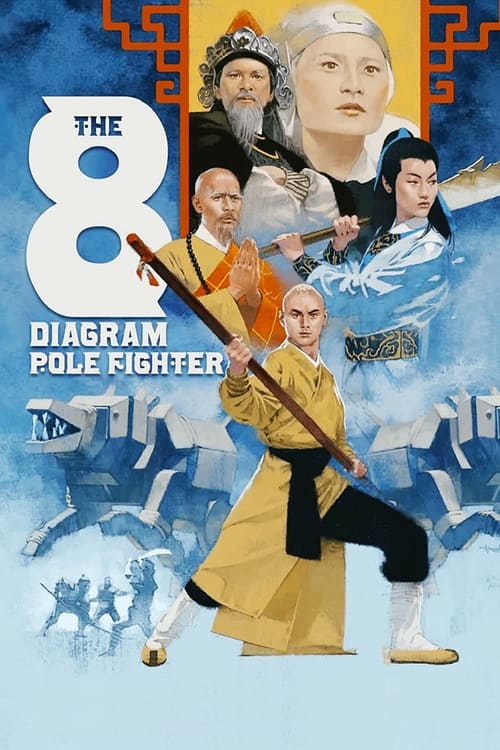
1984
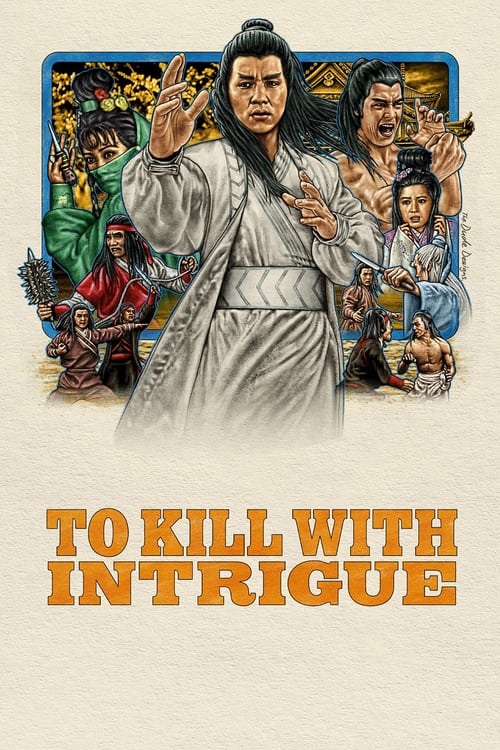
1977
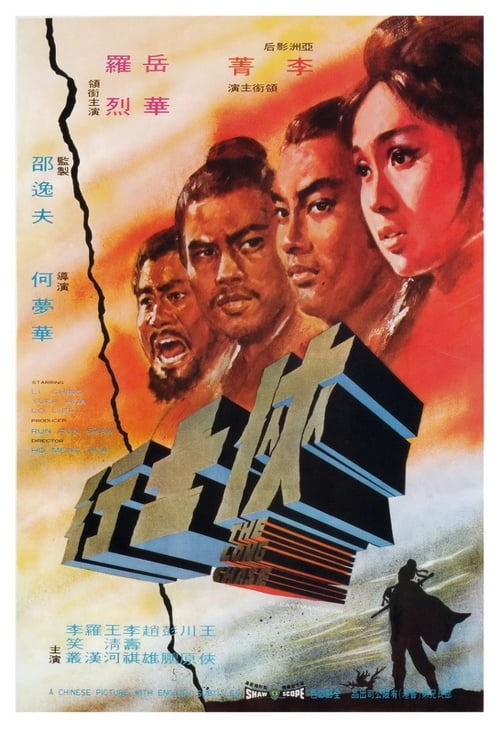
1971
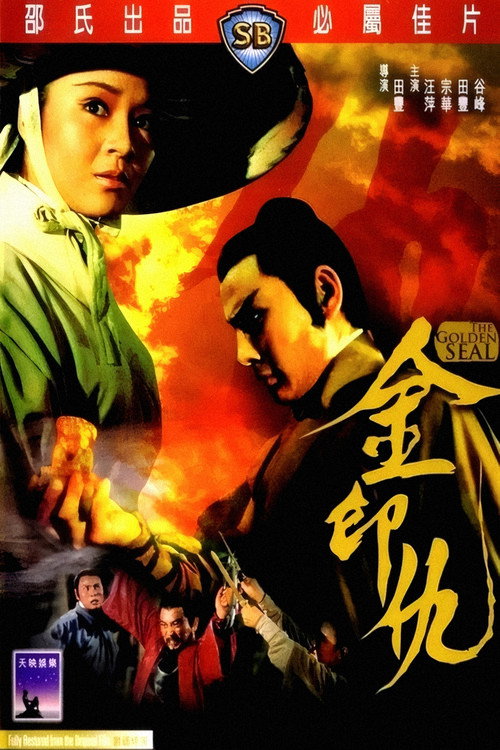
1971
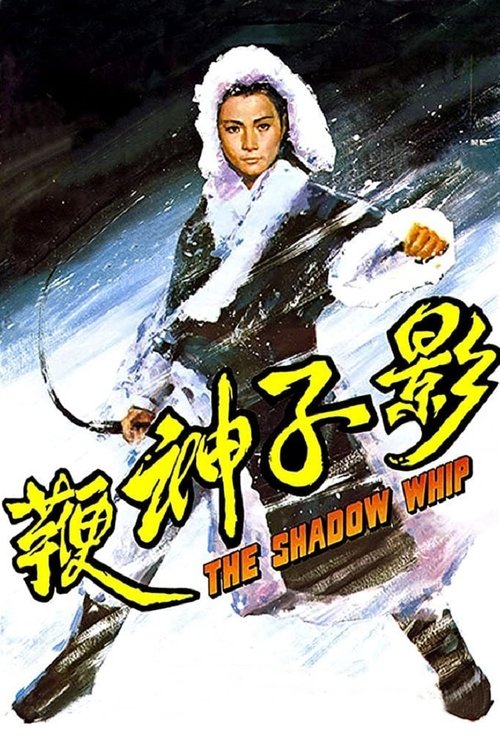
1971
No reviews yet. Be the first to share your thoughts on this movie!
Use the rating form above to leave a star rating and optional review.