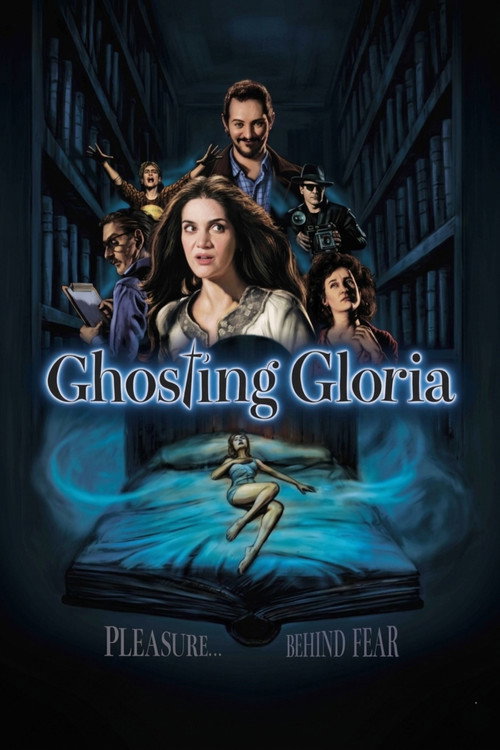
Ghosting Gloria
2022
No user ratings available yet
Representation score: 8.9 out of 10

Representation Score
Good
2021
18+Director
Yusuke Isaka
Runtime
140 minutes
Average Rating
No ratings yetNew Showbiz Analysis
The film offers a fresh take on supernatural stories by blending them with domestic realism. It stands out by challenging traditional gender and spiritual authority norms. While it lacks explicit markers for race or LGBTQ+ identity, it excels in giving female characters significant roles and deconstructing religious fears through everyday activities. The film presents a balanced approach to spirituality and situational ethics, moving away from rigid storytelling structures.
Category Breakdown
The story focuses on a romantic relationship between Kengo and the spirit Sayuri. However, there is no direct depiction of LGBTQ+ identities or non-straight relationships.
Umihana challenges traditional feminine stereotypes by being an eccentric and active force in exorcisms. Female characters like Kaika play key roles in driving the emotional conflict.
The film operates within a specific Japanese cultural context. It does not show multicultural casting but engages with spiritual traditions outside of Western religious norms.
The film addresses fears of the afterlife by presenting spiritual interactions through domestic activities like cooking. It emphasizes subjective morality over strict religious doctrine.
The narrative explores altered perceptions through Umihana’s eccentricity and Kengo’s ability to see spirits. These characters navigate their unique situations with significant influence, avoiding typical portrayals of disability as a burden.
Present on Screen
Limited or Absent
Official Synopsis
Kengo, who is saddened by the loss of his girlfriend Sayuri in an accident, meets an eccentric high school girl, Umihana. Her father, Shaman Tetsushi, makes Kengo see Sayuri's spirit and begins living with Sayuri again. Sayuri is cute. It's a ghost, but I'm not scared at all. On the contrary, he enthusiastically teaches the recipe to Kengo, who cannot cook, until he can reproduce the same taste as Sayuri. Even though I can see the dream of music and the spirit of my lover so clearly, I can't grasp it. Even though he had such itchy days, he was still happy. However, one day, a so-called love triangle incident occurred in which the prayer's daughter, Kaika, liked Kengo. Umihana had a bad taste of exorcising anything, whether it was a demon or a kind-hearted spirit.
2022
2011

2014

2012
2021
1991

2002

2009
No reviews yet. Be the first to share your thoughts on this movie!
Use the rating form above to leave a star rating and optional review.