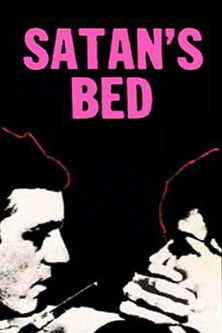
Satan's Bed
1965
No user ratings available yet
Representation score: 2.3 out of 10
Representation Score
Limited
1968
NRDirector
Kurt Richter
Runtime
71 minutes
Average Rating
No ratings yetNew Showbiz Analysis
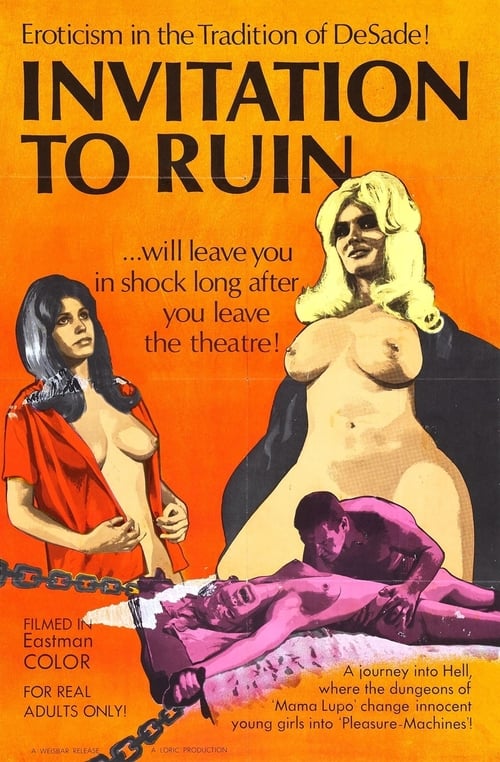
Invitation to Ruin is a product of late-1960s exploitation cinema, relying heavily on established genre clichés. The narrative structure emphasizes criminal hierarchies and victimization over meaningful social commentary or multi-layered storytelling. Characters are defined by their roles within a crime syndicate, with female and disabled characters serving specific plot or horror requirements rather than representing broader social realities. Overall, the film lacks the intentionality needed to disrupt conventional social expectations, functioning instead as a traditional crime-horror piece centered on individual morality and illicit activity.
Category Breakdown
The film focuses on a criminal underworld that upholds traditional heterosexual norms. There is no representation of LGBTQ+ identities or challenges to conventional gender roles.
Female characters are mostly portrayed as victims or objects of desire. Mama Lupo holds a position of power, but it is tied to trauma and criminality rather than social change.
The story revolves around a local criminal enterprise set in a typical mid-century urban environment. There is no indication of a racially diverse cast or Anglo-Saxon minority.
Addiction and revenge are explored through personal moral failures. The film does not offer a broader critique of the criminal syndicates it portrays.
Mama Lupo’s loss of her tongue is used as a plot device for horror rather than a nuanced exploration of her experiences.
Present on Screen
Limited or Absent
Official Synopsis
Pick-up artist Jerry Sloane is hired by mobster Ernie Pulaski to lure girls for his white slavery ring. Once Ernie gets his claws on them, the victims are turned over to mute Mama Lupo (she lost her tongue after tattling on some fellow schoolgirls), who tortures them in her dungeon and addicts them to heroin. Jerry unwisely falls for Ernie's daughter, resulting in a particularly painful, if appropriate, vengeance.
1965
1977
1976
1964
1969
1966
1964
1977
No reviews yet. Be the first to share your thoughts on this movie!
Use the rating form above to leave a star rating and optional review.