My Life Without Air
2017
No user ratings available yet
Representation score: 7.8 out of 10
Representation Score
Excellent
2013
TV-GDirector
Alison Ellwood
Runtime
60 minutes
Average Rating
No ratings yetNew Showbiz Analysis
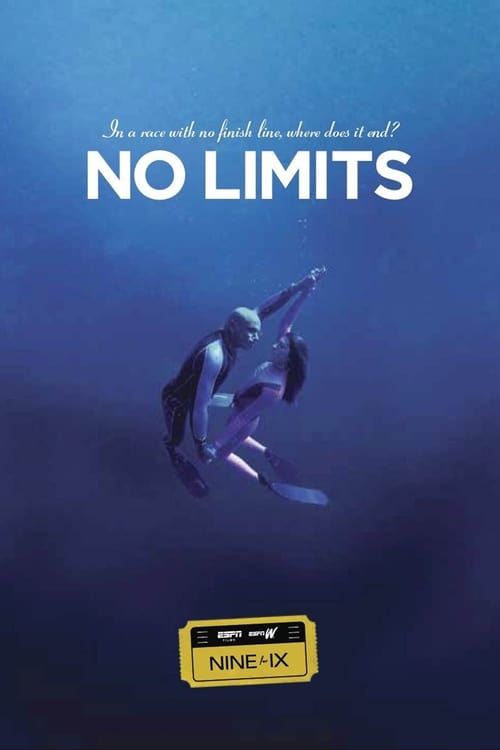
No Limits succeeds by highlighting individual ability to act and overcoming physical limitations. It avoids common pitfalls in disability representation by focusing on Audrey Mestre's professional competence rather than her condition as a tragedy. The film challenges gender norms within extreme sports by documenting Mestre's rise to a high-level competitor, emphasizing her resilience and intellectual mastery in a traditionally male-dominated arena. However, the film remains somewhat narrow in its scope, lacking explicit engagement with broader identity politics or diverse ensemble representation, and focusing on a specific, specialized subculture.
Category Breakdown
The film focuses on the relationship between Audrey Mestre and Pipin Ferreras but does not delve deeply into LGBTQ+ identity politics or perspectives outside the assumption that everyone is straight or cisgender.
Audrey Mestre challenges traditional gender roles by transforming from a supporter to a world-class competitor. Her physical prowess and professional independence are highlighted in a male-dominated sport.
Pipin Ferreras brings non-Western viewpoints to the specialized free-diving community. The film explores cross-cultural connections through their shared passion for deep-sea exploration.
The documentary emphasizes a personal, spiritual journey over societal norms. It portrays extreme exploration as a path to personal liberation, often pitting protagonists against conventional safety measures.
Audrey Mestre’s scoliosis is shown as a catalyst for her connection to the ocean. The film avoids the cliché of pity, instead presenting her physical struggle as a source of strength.
Present on Screen
Limited or Absent
Official Synopsis
Suffering from scoliosis as a teenager, Audrey Mestre found freedom in the ocean. Years later, she discovered another reason to love the water: the elusive, often raucous free diver Pipin Ferreras. As Mestre follows Ferreras's almost spiritual quest to push his limits underwater, she moves from supporter to ardent free diver to world-class competitor. Then a challenge from a rival pushes the couple to the brink of what is possible, both above and below the surface.
2017
2023
2022
2005
2017
2019
2011

2014
No reviews yet. Be the first to share your thoughts on this movie!
Use the rating form above to leave a star rating and optional review.