Lung
2016
No user ratings available yet
Representation score: 5.0 out of 10
Representation Score
Limited
2015
Director
Phil Stevens
Runtime
79 minutes
Average Rating
No ratings yetNew Showbiz Analysis
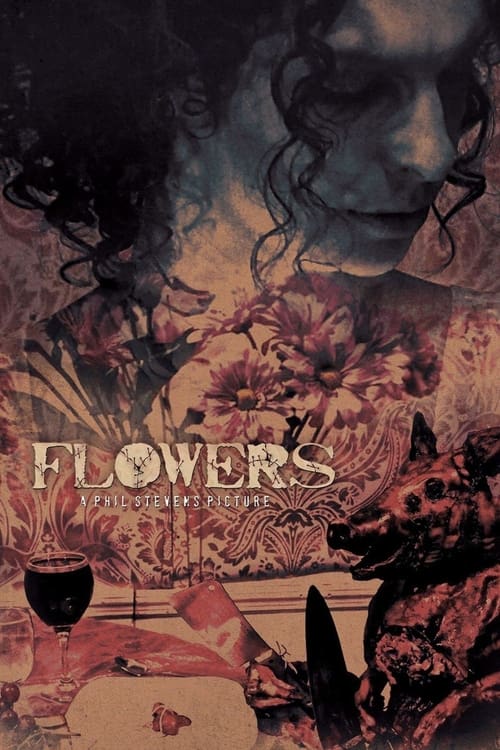
Flowers presents a surrealist horror landscape that prioritizes female perspectives over the traditional slasher archetype. By focusing on the aftermath of violence through the eyes of the victims, the film challenges standard power dynamics found in the genre. However, the lack of data regarding the cast's racial and physical identities prevents a comprehensive assessment. The film's strength lies in its structural focus on communal female experiences rather than individualistic clichés. Ultimately, the work functions as a critique of domestic safety and systemic harm, though its specific demographic breadth remains unverified.
Category Breakdown
The film features an all-female ensemble in a shared, undefined space. While no specific LGBTQ+ identities are confirmed, the genre's focus on gendered spaces offers potential for identity exploration.
The narrative disrupts horror clichés by centering on women's ability to drive the story and the collective experience of victims. It shifts focus away from the perpetrator to challenge male-dominated hierarchies.
There is no information available regarding the racial or ethnic composition of the six women. Consequently, the diversity of the cast cannot be determined.
The setting critiques the domestic sphere by placing protagonists in a crawl space beneath a home. This explores the hidden traumas within traditional Western household structures.
The film provides no specific details regarding the portrayal of physical disabilities, neurodivergence, or mental health conditions within the ensemble.
Present on Screen
Limited or Absent
Official Synopsis
An abstract, surreal horror film centering on six dead women waking up in the crawl space below their killer's house.
2016

2004
2015
2015

2006
2009

2006

2006
No reviews yet. Be the first to share your thoughts on this movie!
Use the rating form above to leave a star rating and optional review.