Hidden Universe
2013
No user ratings available yet
Diversity score: 4.8 out of 10
2018
Director
Jean-Christophe Ribot
Runtime
54 minutes
Average Rating
No ratings yetSynopsis
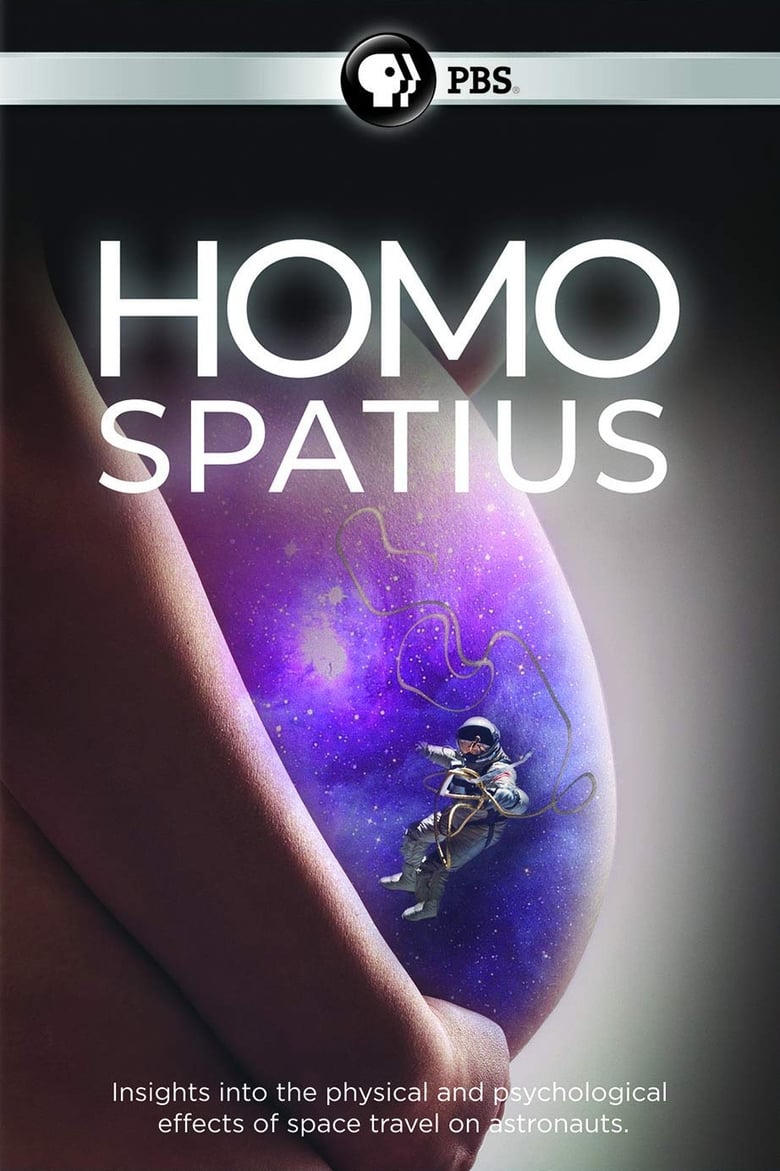
Can Homo sapiens evolve into Homo spatius? For over 50 years now, we have been testing our human nature in our effort to conquer outer space, and still 30 years away from a possible human exploration of Mars, a question remains: Can our body take such travels? Will it ever adapt? Combining human adventure and the exploration of the human body, this film offers unique insights into the physical and psychological effects of space travel on the Astronauts and measures the impact on medical sciences.
Overall Score
Fair
Category Breakdown
LGBTQ+ Representation
The documentary prioritizes the physical and psychological rigors of space travel. It lacks explicit narratives centered on non-cisnormative identities or critiques of heteronormativity, maintaining a neutral, science-centric framework.
Gender Representation
The film examines the human body through a biological lens. While it may explore how different physiologies adapt to extreme environments, it lacks specific character arcs to subvert traditional gender hierarchies.
Racial & Ethnic Diversity
The inquiry into human evolution is universal, yet the narrative likely operates within the frameworks of major space agencies. This context often reflects the homogeneous demographics of Western-led exploration.
Religious & Cultural Diversity
The film disrupts conventional views of biological stasis by framing the body as something that must evolve. It adopts a secular, progressive worldview, prioritizing scientific progress over religious interpretations of destiny.
Disability Representation
The study of how bodies react to extreme environments serves as an exploration of physical limitation. It treats biological vulnerability and environmental constraints with scientific agency.
Strengths
Areas for Improvement
AI Analysis
Homo Spatius functions primarily as a scientific and anthropological inquiry into the evolution of humanity. Its strength lies in its secular, evolutionary perspective on the human condition and the biological adaptation required for space travel. However, the film lacks the intentional, character-driven intersectional narratives necessary for higher representation scores. Because it is a documentary focused on medical science and astronautical history, it does not actively engage with social identity politics. Ultimately, the work provides a progressive look at human biology but remains constrained by the historical and institutional frameworks of the space agencies it examines.
2013
2009

2007
2017
2025
2020
2018
2015

2019
2010
2015
2018
No reviews yet. Be the first to share your thoughts on this movie!
Use the rating form above to leave a star rating and optional review.