
The Return
2024
No user ratings available yet
Representation score: 8.0 out of 10
Representation Score
Good
1990
Director
Franco Piavoli
Runtime
88 minutes
Average Rating
No ratings yetNew Showbiz Analysis
Nostos: The Return functions as a meditative deconstruction of the classical epic. It moves away from the triumphant, action-oriented heroics typical of the Odyssey, opting instead for a psychological study of a man facing isolation and regret. While the film lacks explicit demographic diversity or layered representation, it earns credit for disrupting traditional Western narrative structures. It replaces the invincible warrior with a vulnerable, grieving individual, shifting the focus from external conquest to internal existentialism. Ultimately, the film's strength lies in its humanistic approach to myth, though it remains limited by its adherence to historical settings and a lack of visible representation for underrepresented identities.
Category Breakdown
The film focuses on the protagonist's memories of a beautiful girl, but there is no explicit evidence of queer identities or intimacy. The psychological focus suggests a departure from standard heterosexual storylines.
The story centers on the masculine archetype of Odysseus but subverts the warrior cliché by emphasizing vulnerability, regret, and loneliness rather than traditional stoic conquest.
Set within a Mediterranean mythological context, the film adheres to ancient Greco-Roman aesthetics. It avoids ethnocentric power dynamics by focusing on universal human emotions and internal journeys.
The narrative prioritizes subjective morality and secular existentialism over religious absolutes. It deconstructs the hero archetype, replacing glorious conquest with themes of isolation and profound grief.
There are no explicit depictions of physical or neurodivergent disabilities. The film instead explores the psychological toll of trauma and the internal fragmentation of a lonely protagonist.
Present on Screen
Limited or Absent
Official Synopsis
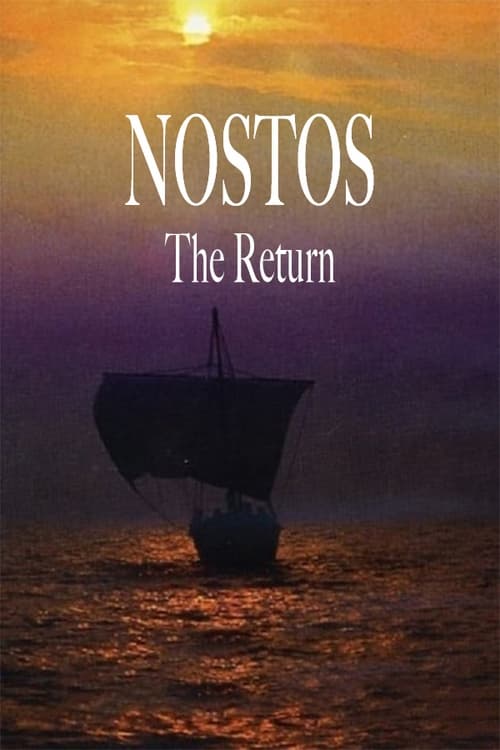
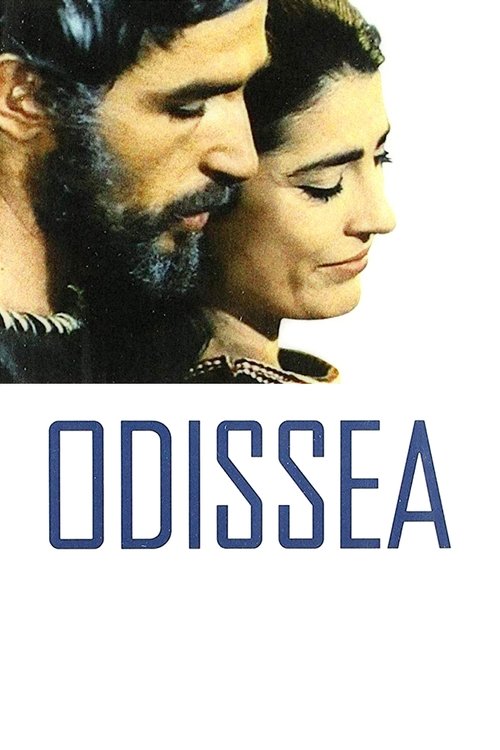
At the end of the war, Odysseus, the wandering hero, with his companions begins his sail back home to the Mediterranean. The conclusion of his adventure is delayed by many natural obstacles and he takes an internal journey of fleeting memories of his childhood, his parents, love for a beautiful girl, nostalgia for the past, regret for what he did, and the deep silence that envelops everything. He confronts the most terrible loneliness following a shipwreck in which all the comrades perish.
2024
1954

2003
1995
1972

1999
1969

2018
No reviews yet. Be the first to share your thoughts on this movie!
Use the rating form above to leave a star rating and optional review.