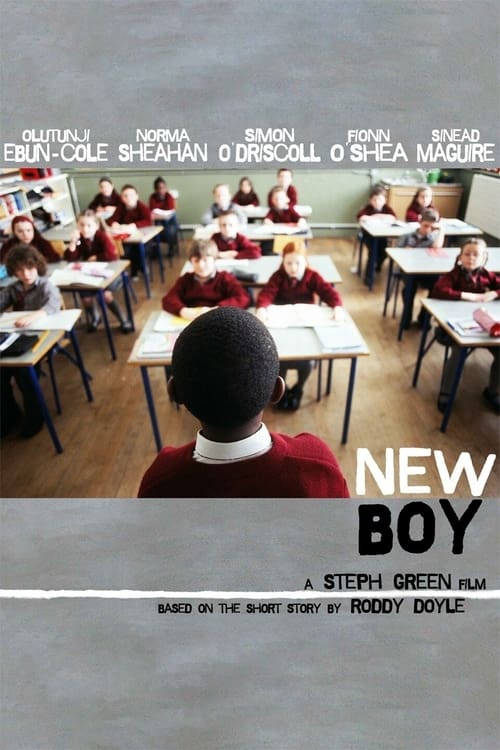
New Boy
2007
No user ratings available yet
Representation score: 5.8 out of 10
Representation Score
Excellent
2023
Director
Warwick Thornton
Runtime
116 minutes
Average Rating
No ratings yetNew Showbiz Analysis
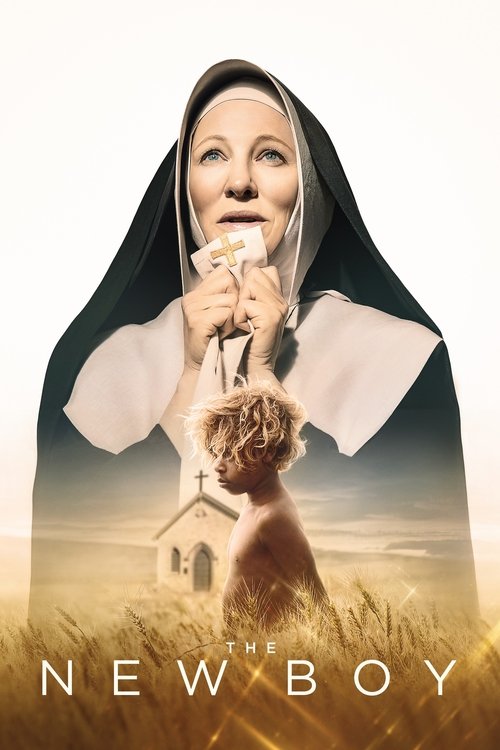
The New Boy is a powerful post-colonial drama that centers Indigenous ability to act through its casting and perspective. By focusing on an Aboriginal orphan in a 1940s mission, it disrupts traditional colonial histories and avoids common clichés. The film's strength lies in its sophisticated critique of Western religious and state authority. It portrays these institutions as tools of cultural erasure rather than sites of salvation, providing a visceral look at systemic displacement. While the film lacks explicit LGBTQ+ or specific disability narratives, it explores the psychological weight of institutional control. It remains a significant work of progressive cinema that challenges historical hierarchies.
Category Breakdown
The film doesn't include explicit LGBTQ+ characters or non-straight relationships. Instead, it focuses on institutional conflict rather than addressing queer identity or challenging assumptions about straight relationships.
A renegade nun offers a nuanced look at gendered power dynamics, operating outside typical patriarchal structures. However, the film emphasizes Indigenous survival over a detailed examination of gender roles.
The film centers an almost entirely Aboriginal cast and an Indigenous child's perspective, avoiding white savior clichés and reclaiming a narrative often sidelined by Western history.
It critiques Western institutionalism by portraying the mission as an instrument of colonial oppression. Religious structures are shown as disruptive forces to the natural social fabric of Indigenous communities.
Though it doesn't feature specific physical disabilities, the film depicts the psychological trauma of displacement. The protagonist's struggles highlight systemic and emotional vulnerability.
Present on Screen
Limited or Absent
Official Synopsis
In a remote monastery in 1940s Australia, a mission for Aboriginal children is run by a renegade nun, Sister Eileen. A new charge is delivered in the dead of night – a boy who appears to have special powers. When the monastery takes possession of a precious relic, a large carving of Christ on the cross, the new boy encounters Jesus for the first time and is transfixed. However, the boy’s Indigenous spiritual life does not gel with the mission’s Christianity and his mysterious power becomes a threat. Sister Eileen is faced with a choice between the traditions of her faith and the truth embodied in the boy, in this story of spiritual struggle and the cost of survival.
2007
2017

2013
2017

2009

2019

1986

2010
No reviews yet. Be the first to share your thoughts on this movie!
Use the rating form above to leave a star rating and optional review.