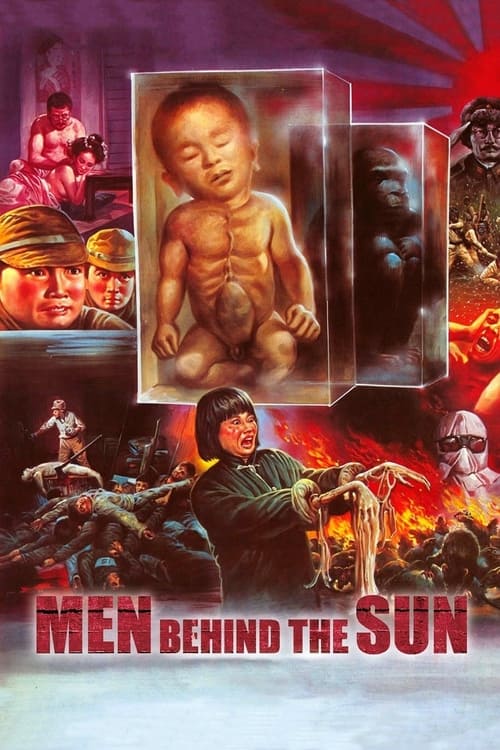
Men Behind the Sun
1988
No user ratings available yet
Representation score: 5.0 out of 10
Representation Score
Fair
1995
Director
Mou Tun-Fei
Runtime
91 minutes
Average Rating
No ratings yetNew Showbiz Analysis
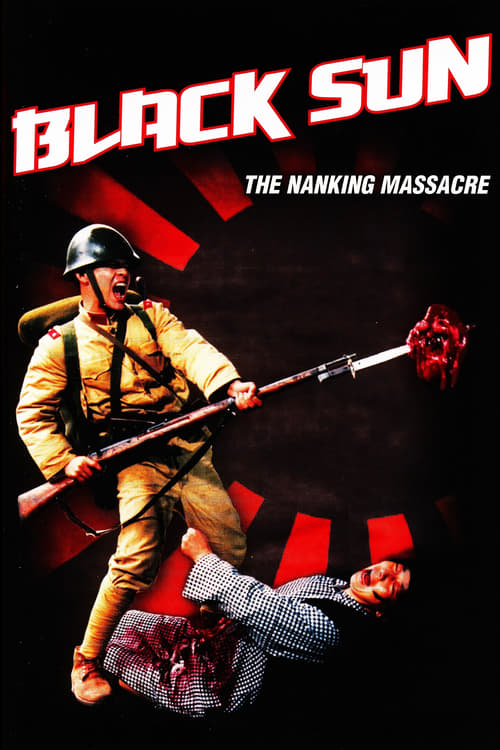
Black Sun: The Nanking Massacre is a powerful historical reconstruction that prioritizes documenting systemic violence over traditional narrative clichés. It successfully centers the perspective of the colonized, providing a critique of imperialist hegemony and East Asian historical trauma. However, the film's intense focus on trauma and the exclusion of diverse identities outside the central ethnic conflict limit its scope. The narrative aims to disrupt comfort rather than explore a broad range of human experiences. Ultimately, while the film offers a deep look at ethnic struggles and the erosion of human rights, it does not represent LGBTQ+ or neurodivergent communities.
Category Breakdown
The film focuses solely on the historical events of the Second Sino-Japanese War and does not include any LGBTQ+ characters or non-conforming gender identities.
Gender roles are shown through extreme vulnerability and systemic violence. Masculinity is portrayed as aggressive and imperialistic, while femininity is depicted as subjected to severe power imbalances.
The film centers the Chinese perspective with a predominantly Chinese cast, disrupting Western-centric war narratives by focusing on East Asian historical trauma and ethnic struggles.
The narrative critiques imperialist expansionism by depicting occupying forces as corrupt. It highlights the suffering of civilians over glorifying military or state institutions.
Physical trauma and devastation are shown as evidence of wartime atrocities, but there is no focus on neurodivergence or disability as central character traits.
Present on Screen
Limited or Absent
Official Synopsis
Black Sun: The Nanking Massacre depicts the brutal events behind the Nanking Massacre committed by the Imperial Japanese army against the Chinese people during the Second Sino-Japanese War.
1988
2009
2007
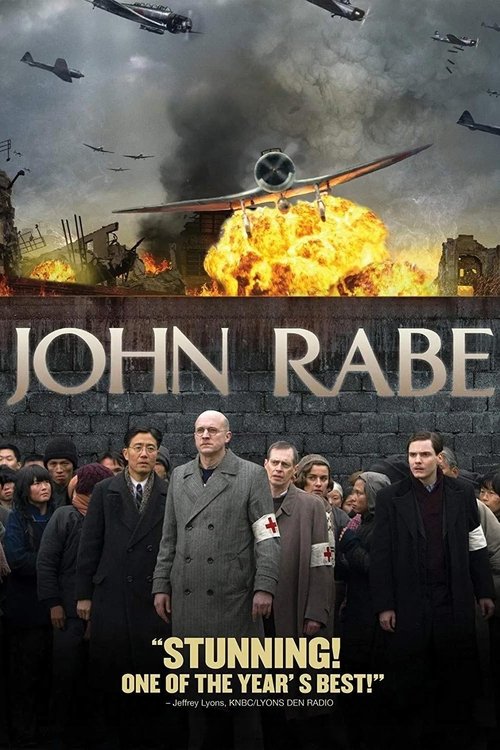
2009
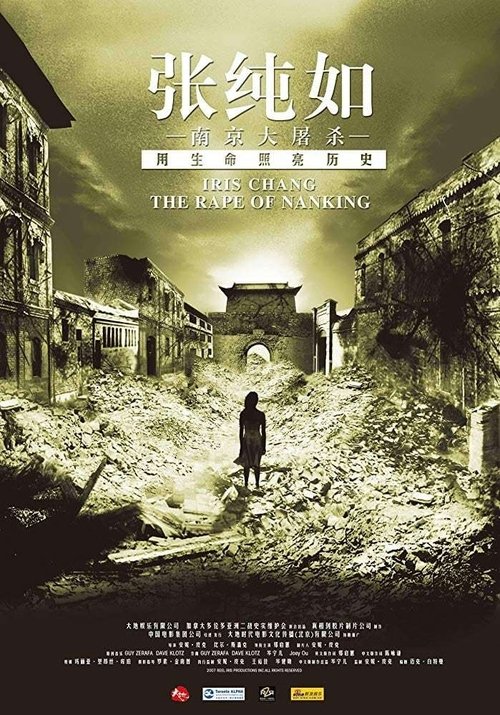
2007
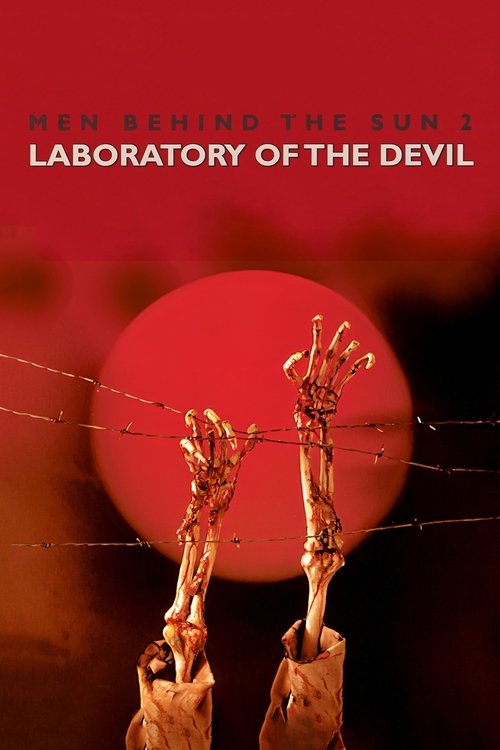
1992
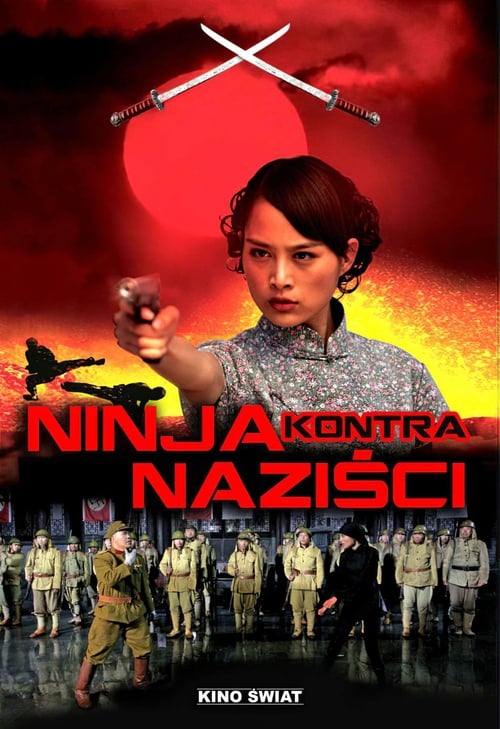
2011
2025
No reviews yet. Be the first to share your thoughts on this movie!
Use the rating form above to leave a star rating and optional review.