WWE: Triple H - The Game
2002
No user ratings available yet
Representation score: 1.8 out of 10
Representation Score
Fair
2011
PGDirector
Kevin Dunn
Runtime
59 minutes
Average Rating
No ratings yetNew Showbiz Analysis
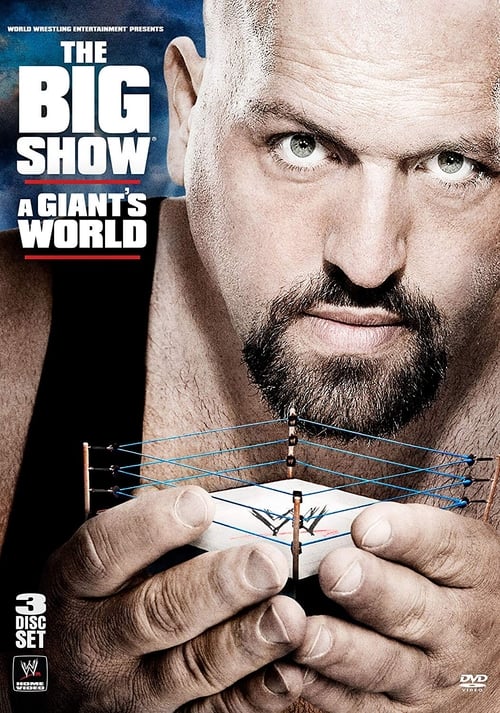
This documentary centers on Paul Wight, a Black man navigating the male-dominated world of professional wrestling. His genetic condition is treated with seriousness, shaping both his public persona and private struggles. The film prioritizes his perspective, giving him control over his own story. However, the cast remains almost entirely male and white, with no significant female or LGBTQ+ presence. The cultural framing supports traditional ideals of hard work and physical endurance. While the representation of Wight is strong, the broader demographic range within the industry is not reflected on screen. The lack of diverse voices limits the scope of the narrative. The focus on a single male perspective, while deep, excludes other viewpoints. This results in a narrow but focused portrayal of the wrestling world.
Category Breakdown
The documentary contains no LGBTQ+ characters or same-sex relationships. The focus remains strictly on Paul Wight’s personal and professional journey. All on-screen interactions involve male wrestlers discussing career milestones.
The narrative is driven exclusively by men, reflecting the male-dominated nature of professional wrestling. Women are absent from the central story and interview subjects. Male figures are framed as powerful leaders and competitors within the industry.
Paul Wight, a Black man, serves as the primary subject and drives the narrative. The supporting cast includes several white wrestlers, such as Hulk Hogan and Ric Flair. While the protagonist has full depth, the broader cast remains predominantly white.
The film portrays professional wrestling as a legitimate career requiring discipline and resilience. It highlights the physical toll of the job and the financial pressures of fame. Traditional values of hard work and perseverance are emphasized through Wight’s career journey.
Wight’s genetic condition, which causes his extraordinary height, is treated as a central part of his identity. The documentary discusses how this condition impacts his daily life and career. It presents his physical traits as a lived condition rather than a temporary plot device.
Present on Screen
Limited or Absent
Official Synopsis
This penetrating pro-wrestling bio offers a bird's-eye view of what it's like to be a giant -- which, in the case of Paul Wight (better known as the Big Show), makes you one of the most intimidating figures in the WWE. In addition to discussing his battles with wrestling superstars like Steve Austin, Ric Flair and the Undertaker, the Show also talks about his struggles with the genetic condition that caused his extraordinary growth.
2002
2018

2012
2007

2012
2012

2005
2011
No reviews yet. Be the first to share your thoughts on this movie!
Use the rating form above to leave a star rating and optional review.