
Mystery Woman: Mystery Weekend
2005
No user ratings available yet
Representation score: 4.0 out of 10
Representation Score
Limited
2005
Director
Stephen Bridgewater
Runtime
120 minutes
Average Rating
No ratings yetNew Showbiz Analysis
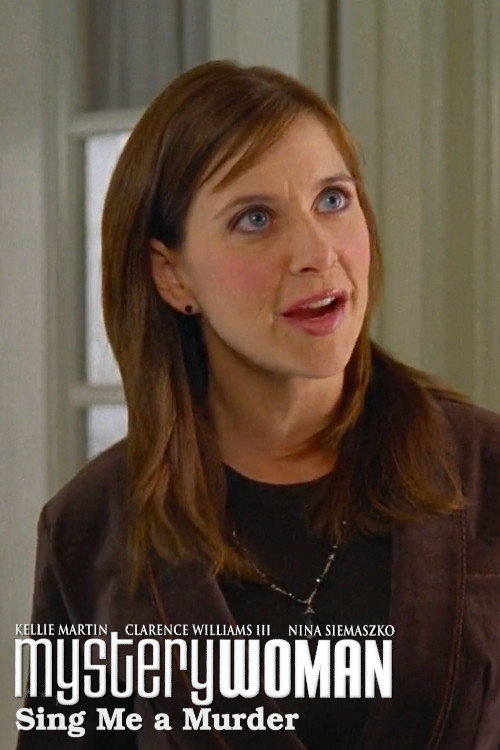
Mystery Woman: Sing Me a Murder operates as a typical mid-2000s television thriller. It relies heavily on established genre conventions without challenging social hierarchies or introducing multi-layered complexity. The film's main strength is its portrayal of a woman taking charge of the investigation. However, it falls short in representing LGBTQ+ and racial diversity. Ultimately, it functions as a conventional procedural without the diverse casting or systemic critiques needed to go beyond the demographic norms of its time.
Category Breakdown
The film doesn't include any explicit mentions of LGBTQ+ characters or non-straight relationships. The story focuses on a professional relationship between Samantha Kinsey and Philby without delving into queer identities.
Samantha Kinsey is portrayed as a strong female protagonist with intellectual authority. She actively investigates rather than being a passive victim, providing significant influence over the story.
The cast and setting are predominantly white, with no indication of characters of color driving the plot. The story follows traditional Western mystery clichés.
The plot centers on personal morality and greed, focusing on the music industry's superficiality without addressing systemic issues. It upholds a traditional social structure.
The film doesn't mention any characters with visible or invisible disabilities. The narrative doesn't address neurodivergence or chronic illness.
Present on Screen
Limited or Absent
Official Synopsis
Murder is something to sing about when Mystery Woman Samantha Kinsey-an expert in pulp fiction, and increasingly proficient when it comes to real-life crime-untangles a record-breaking murder. Mystery Woman bookshop owner, Samantha Kinsey, has offered to host a charity concert for a once-famous folk-rock trio out to recapture their old fame flame. But sweet success hits the ultimate sour note when the band's promoter is found murdered in his hotel room. Sam and her partner in crime, Philby, investigate, digging up deadly secrets of private indiscretions, professional greed, and personal vengeance that put a twisted spin on fame and fortune-and bring a whole new meaning to a Top Ten hit.
2005

2015
2003
2005
2006

2020

2021

2018
No reviews yet. Be the first to share your thoughts on this movie!
Use the rating form above to leave a star rating and optional review.