Find another title
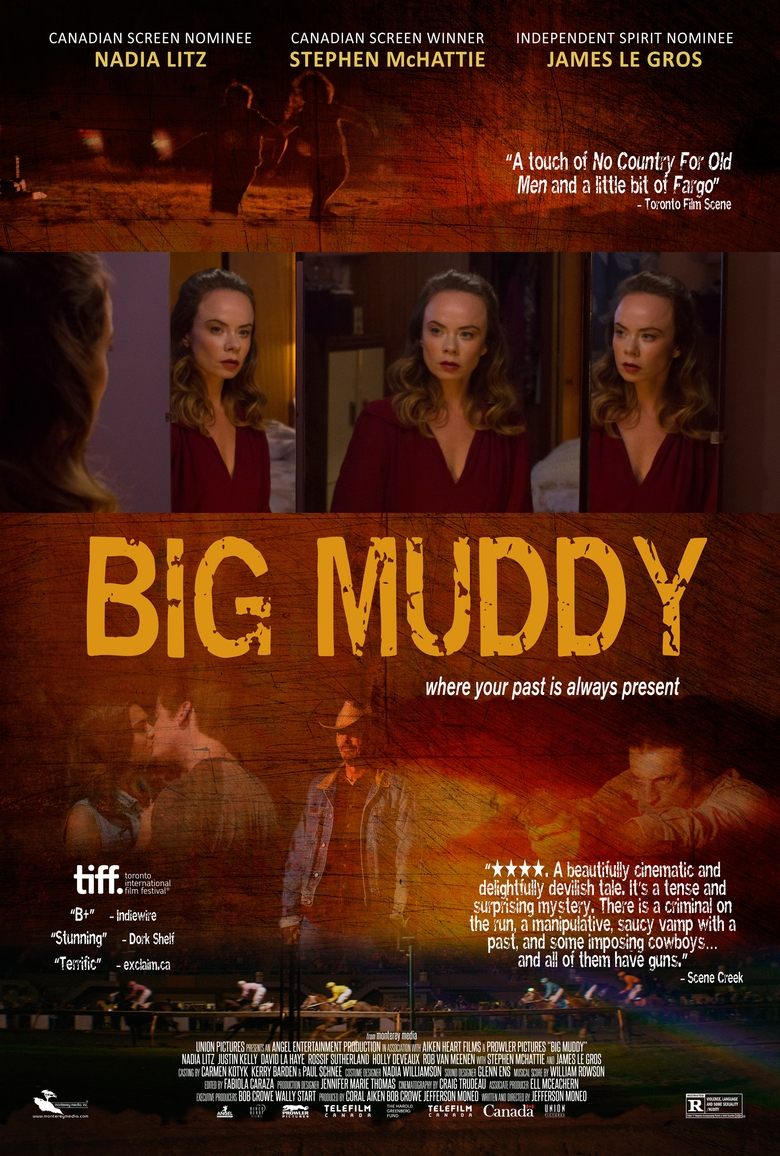
Big Muddy
2014
RDirector
Jefferson Moneo
Runtime
104 minutes
Average Rating
No ratings yetSynopsis
Martha Barlow, a modern day outlaw, must reconcile her dark past after her teenage son commits a horrible crime.
Where to Watch
Diversity & Representation
Overall Score
Fair
Category Breakdown
LGBTQ+ Representation
The narrative focuses on a maternal bond and criminal transgression. There is no explicit evidence of queer identities or non-heteronormative relationship structures.
Gender Representation
Martha Barlow disrupts genre expectations by occupying the 'outlaw' role typically reserved for men. This positioning challenges conventional gender hierarchies and avoids submissive feminine tropes.
Racial & Ethnic Diversity
The film lacks visible evidence of intersectional diversity. The modern-day Western setting often defaults to traditional archetypes without specific details regarding ethnic composition.
Religious & Cultural Diversity
The story explores moral relativism by depicting characters operating outside legal authority. It functions as a study of systemic friction and social deconstruction.
Disability Representation
There is no documented evidence of neurodivergence, physical disabilities, or mental health conditions serving as central narrative drivers.
Strengths
- Subverts traditional gender roles by placing a woman in the central 'outlaw' archetype.
- Provides a female-driven narrative that prioritizes agency and moral complexity.
Areas for Improvement
- Lacks visible intersectional diversity regarding race and ethnicity.
- Provides no explicit representation of LGBTQ+ identities or non-heteronormative structures.
- Fails to incorporate disability or neurodivergence as central narrative elements.
AI Analysis
Big Muddy succeeds in subverting the traditional Western/Crime genre by centering its moral complexity on a female protagonist. Martha Barlow's agency as an outlaw provides a progressive departure from standard gendered archetypes. However, the film lacks broader intersectional depth. The narrative remains focused on a specific maternal-criminal dynamic, leaving gaps in racial, disability, and LGBTQ+ representation. Ultimately, while it challenges gendered expectations, the film functions primarily as a narrow character study rather than a diverse systemic critique.
Rate this Movie
Reviews
No reviews yet. Be the first to share your thoughts on this movie!
Use the rating form above to leave a star rating and optional review.