Find another title
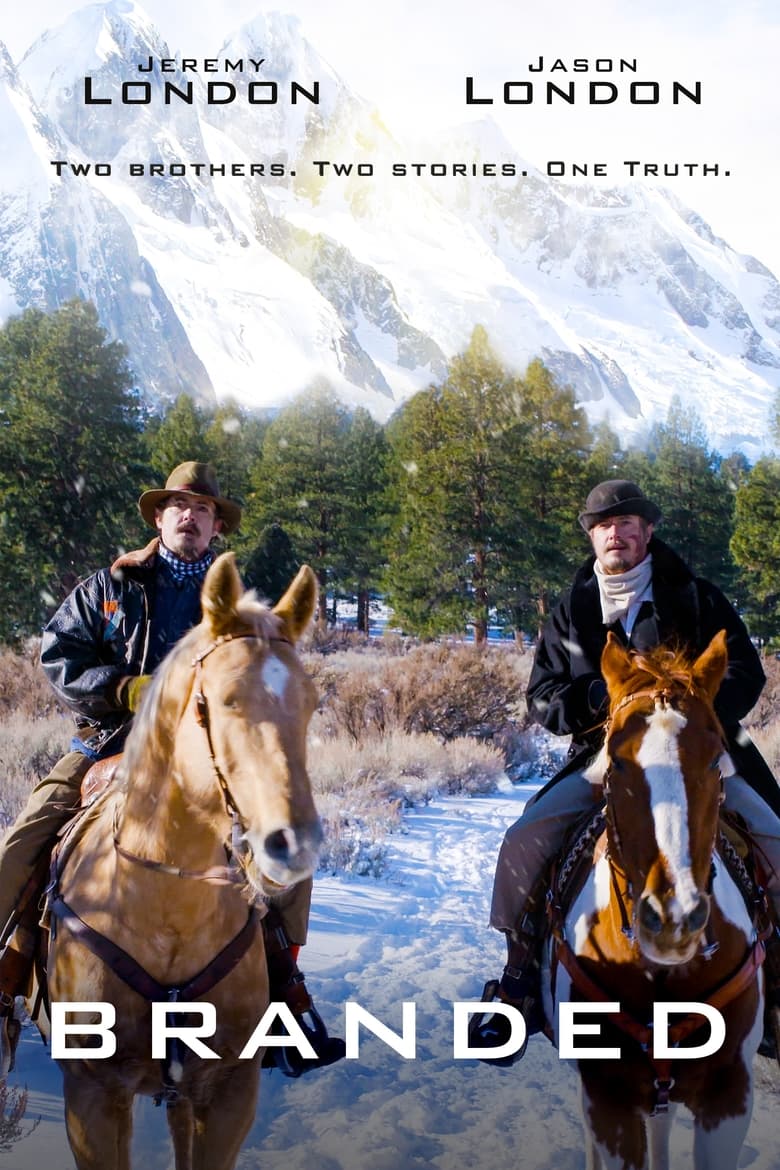
Branded
2017
TV-MADirector
Phil Gorn
Runtime
73 minutes
Average Rating
No ratings yetSynopsis
In this post-apocalyptic-western, Alexander Dante has lived the past 10 years in exile for the killing of Edwin, his beloved brother. Then one day he's astounded to receive a letter, purportedly from Edwin. The letter states Edwin now lives in the distant village shown on the enclosed map. At first, Alexander dismisses the letter as a hoax but there's something about the letter that rings true. He treks through a hard and hostile land that at long last opens up into a tranquil village. There, he's stunned to confront the impossible: his brother is very much alive. Alexander is overjoyed to see his brother but he is tormented as he knows he has killed him. Now Alexander must root out the truth -- whatever the consequences.
Where to Watch
Diversity & Representation
Overall Score
Limited
Category Breakdown
LGBTQ+ Representation
The film lacks any visible LGBTQ+ characters or narratives addressing non-cisnormative identities. The story focuses exclusively on the fraternal bond between Alexander and Edwin.
Gender Representation
The narrative is heavily centered on a male protagonist and male-centric conflict. It lacks diverse gender roles or the subversion of masculine hierarchies, focusing instead on a traditional masculine journey.
Racial & Ethnic Diversity
The setting defaults to a common post-apocalyptic trope that often implies a homogeneous population. There is no evidence of intentional intersectional casting or race-bent archetypes.
Religious & Cultural Diversity
The film critiques the stability of Western institutions through its post-apocalyptic setting. The protagonist's journey prioritizes personal truth over communal or religious morality.
Disability Representation
There is no evidence of characters navigating physical disabilities or neurodivergence. While the protagonist experiences psychological torment, it is not framed through a disability lens.
Strengths
- Deconstructs traditional Western tropes by replacing the heroic lawman with a traumatized, morally ambiguous protagonist.
- Explores complex themes of guilt, perception, and the instability of truth through a psychological lens.
Areas for Improvement
- Lacks intersectional complexity and diverse casting across gender, race, and LGBTQ+ identities.
- Relies on a male-centric narrative structure that misses opportunities for broader social representation.
AI Analysis
Branded is a character-driven genre piece that prioritizes psychological mystery over demographic representation. It uses the post-apocalyptic Western framework to deconstruct traditional frontier myths, focusing on a protagonist defined by trauma rather than a heroic archetype. The film operates within a traditional framework of individualist struggle. While it successfully disrupts the 'heroic lawman' trope by centering on a fractured psyche, it does so without incorporating intersectional complexity. Ultimately, the narrative lacks the diverse casting and varied social perspectives required to move beyond a narrow, male-centric focus.
Rate this Movie
Reviews
No reviews yet. Be the first to share your thoughts on this movie!
Use the rating form above to leave a star rating and optional review.