
Lost in the Night
2023
No user ratings available yet
Representation score: 6.2 out of 10
Representation Score
Good
2026
Director
David Pablos
Runtime
93 minutes
Average Rating
No ratings yetNew Showbiz Analysis
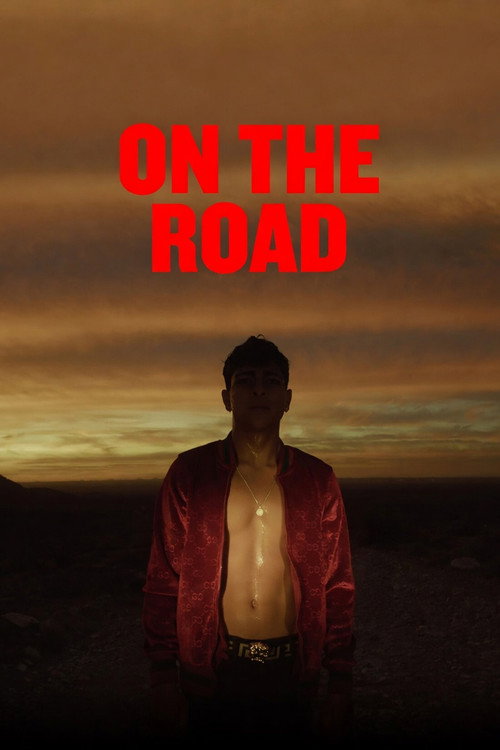
The film opens on a roadside diner where Veneno, a young gay hustler, trades sex for survival, immediately establishing his body as currency in a world of men. This image sells a vision of queer resilience within a hyper-masculine landscape, where intimacy is both survival and subversion. As Veneno and Muñeco travel north, their bond evolves from transactional to romantic, challenging the emotional repression of the trucking world. The film’s argument is that vulnerability is a form of strength, but its internal logic pulls apart when it frames this vulnerability within a genre that glorifies violence and isolation. The ending, a bloodbath that tests their bond, rewards their love but at a cost that leaves the viewer unsettled. The last image, of their survival amid chaos, affirms their connection but also the brutal world that contains it. In the context of 2020s Mexican cinema, *On the Road* offers a nuanced portrait of queer masculinity, balancing emotional depth with genre thrills. Its strength lies in its specificity: the road, the diner, the truck. Its limitation is the peripheral treatment of women and the lack of broader social critique. The film’s moral verdict is that love endures, but the world that threatens it remains unchanged.
Category Breakdown
Veneno’s gay identity drives the plot, with his intimacy with Muñeco serving as the emotional core. Subtitles depict same-sex sex as normal and central to their bonding. No trans or non-binary characters appear, limiting broader queer representation within the hyper-masculine setting.
Veneno navigates a male-dominated space on his own terms, trading sexual favors for survival. Muñeco challenges the stoic trucker trope through competence and guarded emotion. Female characters like Lupe remain peripheral, keeping gender dynamics centered on male performance and desire.
The cast is Mexican, reflecting the film’s northern setting and engaging with local class tensions. The narrative focuses on regional dynamics rather than explicit racial diversity. No ethnic diversity beyond the Mexican context is present, prioritizing class and gender over race.
The film critiques the hyper-masculine culture of long-haul trucking, exposing its violence and emotional repression. Veneno’s presence disrupts this world, highlighting its fragility. Traditional Mexican family structures are referenced but not deeply explored, tying critique to gender and class.
No characters with disabilities are depicted in the film. The narrative does not engage with disability as a theme or character trait. Absence of disability representation is total, with no on-screen engagement or thematic relevance.
Present on Screen
Limited or Absent
Official Synopsis
Veneno, a rebellious young drifter, frequents roadside diners where he sleeps with truck drivers. Urgently needing a ride, he meets Muñeco, a hard-edged driver who keeps to himself. He convinces Muñeco to take him deep into the hyper-masculine world of long-haul trucking across the north of Mexico. As they travel together and an unexpected intimacy builds between them, shadows from Veneno’s past resurface, putting both their lives at risk.
2023

2019

2004

2019
2021

2024
2023

2018
No reviews yet. Be the first to share your thoughts on this movie!
Use the rating form above to leave a star rating and optional review.