I'm for the Hippopotamus
1979
No user ratings available yet
Representation score: 2.3 out of 10
Representation Score
Limited
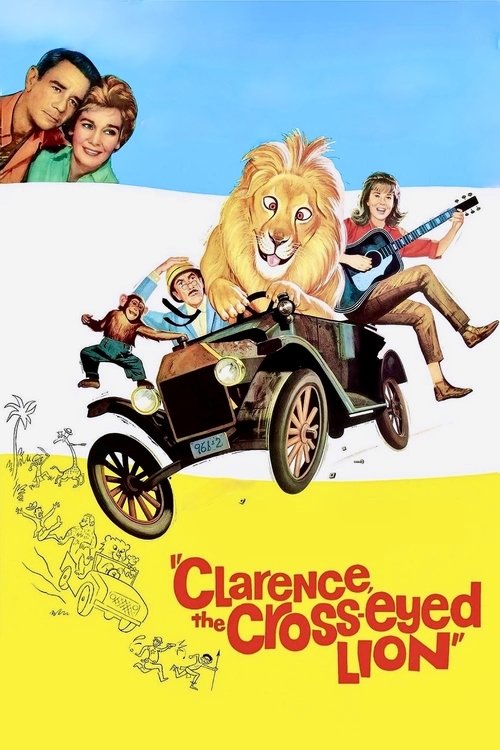
1965
GDirector
Andrew Marton
Runtime
98 minutes
Average Rating
No ratings yetNew Showbiz Analysis
Clarence, the Cross-Eyed Lion is a conventional 1965 adventure-comedy reflecting the social structures of its time. Although it features a diverse cast due to its African setting, the storytelling remains centered on a Western perspective. The film uses physical disability as a key plot element, focusing on the animal protagonist. However, it does not explore human neurodiversity or disability empowerment. The narrative emphasizes traditional moral structures and spectacle over challenging racial or gender power dynamics.
Category Breakdown
The film highlights the relationship between a veterinarian's daughter and a lion but does not include stories about LGBTQ+ identities or challenge assumptions about straight relationships.
The characters follow traditional gender roles typical of the 1960s, such as the nurturing role of the veterinarian's daughter. The film adheres to standard gender roles without challenging these norms.
The African setting includes a diverse cast in the local village, but the narrative ability to act remains focused on Western characters. This reflects a traditional colonial perspective.
The story follows a Western framework of adventure and conservation, reinforcing mid-century views where Western expertise solves local environmental issues.
The plot revolves around a lion with crossed eyes, using the animal's condition as a narrative device. There is no representation of human neurodiversity or disability empowerment.
Present on Screen
Limited or Absent
Official Synopsis
When a native village is apparently terrorized by a Lion, the local sergeant enlists the help of a veterinarian working at a nearby animal study center. It is soon discovered that the Lion has a unique problem, it has double vision due to the fact that it is cross eyed and therefore cannot hunt. The Lion is taken back to the study center and is soon adopted by the vet's daughter. Meanwhile, a dangerous criminal is planning to capture young Gorillas and sell them on the black market...
1979
1966
1970
1962
1976

1949
1981
1998
No reviews yet. Be the first to share your thoughts on this movie!
Use the rating form above to leave a star rating and optional review.