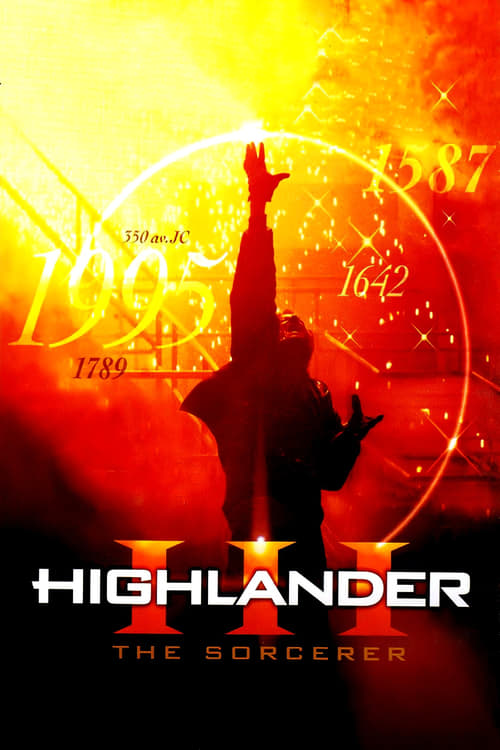
Highlander III: The Sorcerer
1994
No user ratings available yet
Representation score: 1.4 out of 10
Representation Score
Fair
1991
RDirector
Russell Mulcahy
Runtime
100 minutes
Average Rating
No ratings yetNew Showbiz Analysis
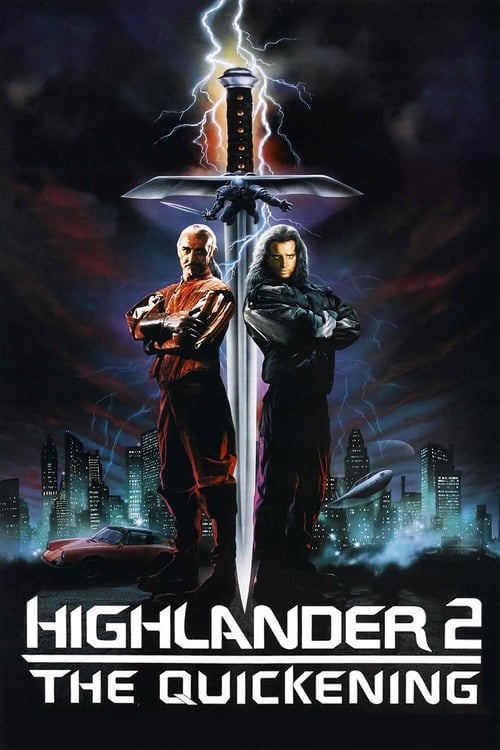
Highlander II: The Quickening shifts the franchise from mythic destiny to a critique of systemic power. It successfully presents a cosmopolitan, diverse sci-fi aesthetic that diverges from the homogeneous historical settings of the past. The film's strength lies in its cultural critique of corporate hegemony. By portraying a megacorporation as a corrupt, totalitarian entity, it provides a narrative framework centered on rebellion against systemic oppression. However, the film falls short in several areas. It lacks engagement with LGBTQ+ identities or disability representation, and female characters are often confined to traditional action-movie roles.
Category Breakdown
The film does not include any LGBTQ+ characters or explore non-straight relationships. All interpersonal dynamics revolve around traditional romantic pairings.
Brenda Wyatt stands out due to her professional competence and leadership. However, the film frequently relies on typical action movie clichés where female characters act mainly as catalysts for the male lead.
The dystopian setting showcases a more varied, cosmopolitan cast compared to the original film. This ensemble reflects a fragmented, globalized society within a futuristic urban landscape.
The narrative delivers a strong critique of capitalism by depicting corporate structures as oppressive. It dismantles the sanctity of established institutions through a resistance movement against a totalitarian megacorporation.
The film does not offer any meaningful or agentic representation of physical or neurodivergent disabilities. Characters are defined by their combat skills or hierarchical positions rather than their lived experiences of disability.
Present on Screen
Limited or Absent
Official Synopsis
The Prize has been won. Connor MacLeod is mortal... Now an old man on the verge of death, memories of his past on the planet Zeist resurface, where a vengeful enemy, General Katana, plots to destroy him once and for all.
1994
1974

1986
1978
1997

1983
2007
2007
No reviews yet. Be the first to share your thoughts on this movie!
Use the rating form above to leave a star rating and optional review.