What Was Ours
2016
No user ratings available yet
Diversity score: 8.1 out of 10
2018
TV-PGDirector
Andreas Gutzeit
Average Rating
No ratings yetSynopsis
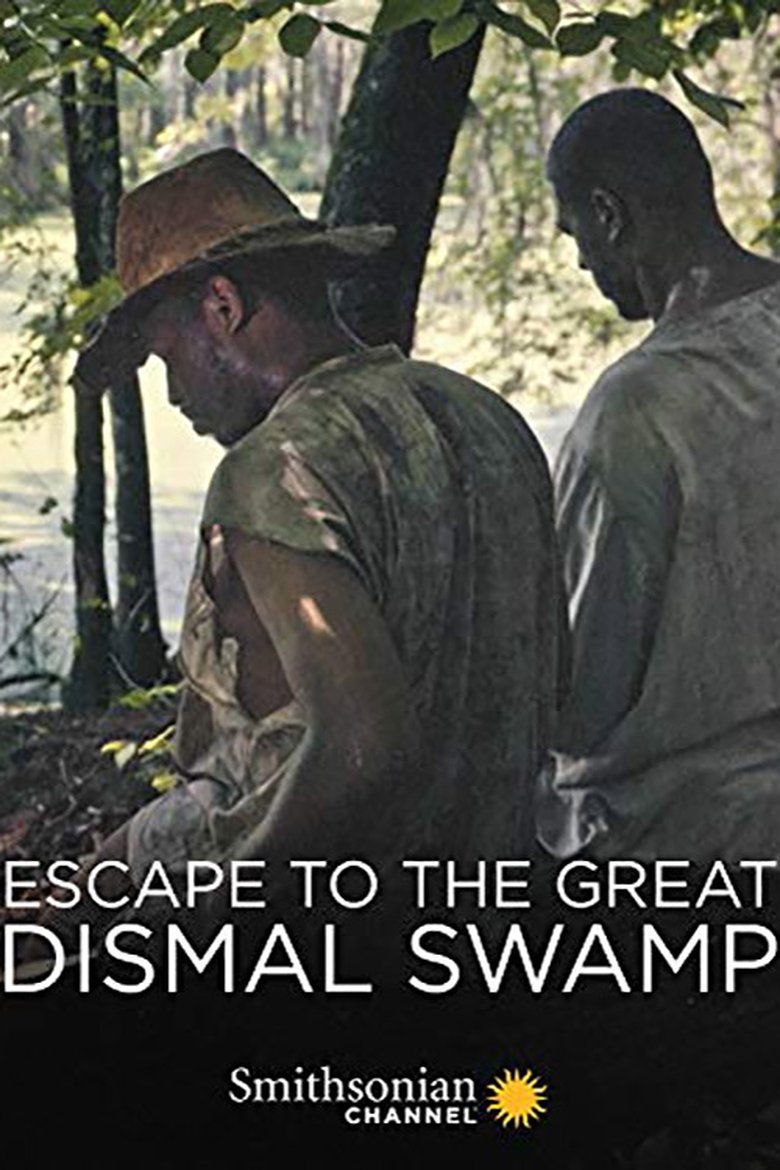
In the 1800s, southern newspapers ran ads seeking runaway slaves suspected of taking refuge in a vast wetland called the Great Dismal Swamp. For decades, scholars have sought proof that the reports were true, and now they finally have it. See how a team of archaeologists is using new discoveries and modern dating methods to piece together this lost part of American history. Then discover what life was like for these brave men and women, who chose to suffer in the swamp and keep their freedom rather than live under the conditions of slavery.
Overall Score
Good
Category Breakdown
LGBTQ+ Representation
The film lacks explicit mention of LGBTQ+ identities or non-heteronormative relationships. The narrative focuses on racial and gendered survival within the 19th-century American South.
Gender Representation
The documentary highlights brave men and women who exercised agency to find freedom. It subverts tropes by portraying women as active participants in resistance rather than passive victims.
Racial & Ethnic Diversity
This work serves as a profound exercise in racial reclamation. It centers the lived experiences of Black Americans and uses archaeology to challenge white-centric historical records.
Religious & Cultural Diversity
The film deconstructs traditional hierarchies by prioritizing the truth of the oppressed over official Southern records. It frames escape as a heroic reclamation of humanity against corrupt systems.
Disability Representation
There is no specific evidence regarding the portrayal of neurodivergence or physical disabilities. While living in a wetland implies hardship, these are not central themes.
Strengths
Areas for Improvement
AI Analysis
The documentary excels at historical reclamation, using archaeological evidence to center the agency of Black Americans. It successfully challenges traditional, white-centric historical narratives by validating the existence of communities that sought refuge in the Great Dismal Swamp. While the film provides a powerful look at racial and cultural resistance, it lacks specific focus on LGBTQ+ identities or disability representation. The narrative is primarily driven by the struggle for racial autonomy and gendered agency within the context of the antebellum South.
2016

2024
2014
2003
2004
2017
2014

2024
2020

2016

2013
2019
No reviews yet. Be the first to share your thoughts on this movie!
Use the rating form above to leave a star rating and optional review.