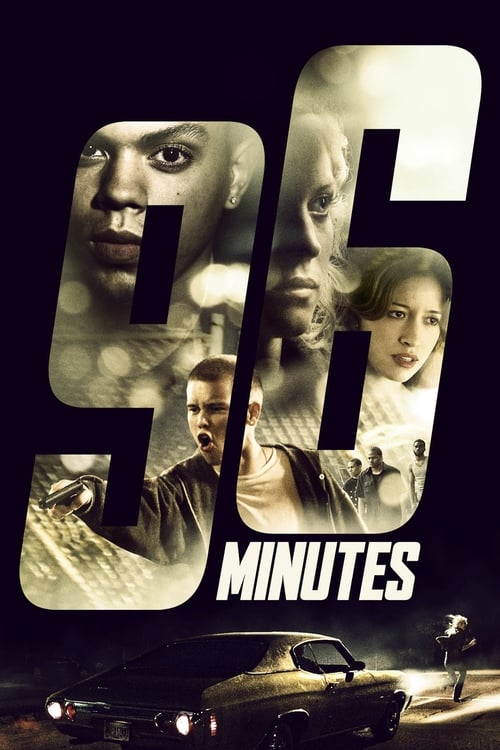
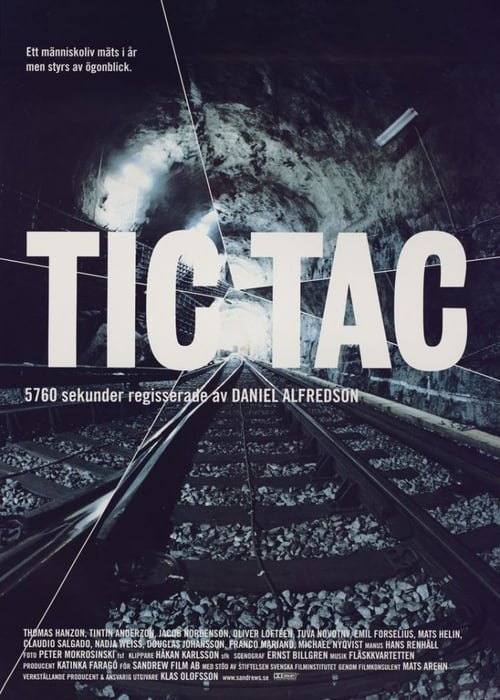
96 Minutes
2011
No user ratings available yet
Representation score: 8.6 out of 10
Representation Score
Good
1997
Director
Daniel Alfredson
Runtime
96 minutes
Average Rating
No ratings yetNew Showbiz Analysis
Tic Tac succeeds as a psychological study of urban interconnectedness through its complex, non-linear narrative. By using an ensemble-driven structure, the film avoids a singular, dominant protagonist, allowing for a more democratic distribution of ability to act across its various characters. However, the film lacks significant engagement with identity-based representation. It does not explicitly center LGBTQ+ narratives, disability, or radical social subversion, focusing instead on the mechanics of crime and coincidence. Ultimately, the film's diversity is structural rather than thematic. It offers a multi-perspective view of the human condition without prioritizing specific underrepresented identities or addressing systemic social hierarchies directly.
Category Breakdown
The film does not include explicit LGBTQ+ characters or narratives. The story focuses on crime and coincidence in Stockholm without highlighting queer identities.
Multiple protagonists provide opportunities for female characters to play significant roles in their own subplots. However, the film does not explicitly challenge traditional gender hierarchies.
The narrative reflects the demographic realities of late 1990s Stockholm. While the ensemble format allows for varied backgrounds, there is no evidence of deliberate non-white representation.
The hyperlink cinema style explores subjective morality and the interconnectedness of different social strata. It examines how urban life and desperation disrupt traditional social orders.
There is no verifiable evidence of characters with visible or invisible disabilities. Motivations appear driven by plot-centric stressors rather than neurodivergence or physical disability.
Present on Screen
Limited or Absent
Official Synopsis
During one single day a number of life destinies cross one another. It becomes a night for the involved they will never forget, a night when the coincidences are going to change their lives forever.
2011
1987
2015
2001
2000

2001

2005

2004
No reviews yet. Be the first to share your thoughts on this movie!
Use the rating form above to leave a star rating and optional review.