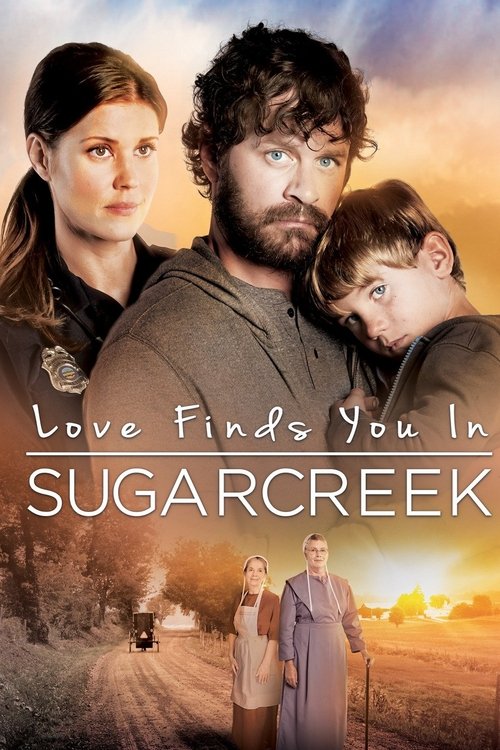
Love Finds You In Sugarcreek
2014
No user ratings available yet
Diversity score: 2.9 out of 10
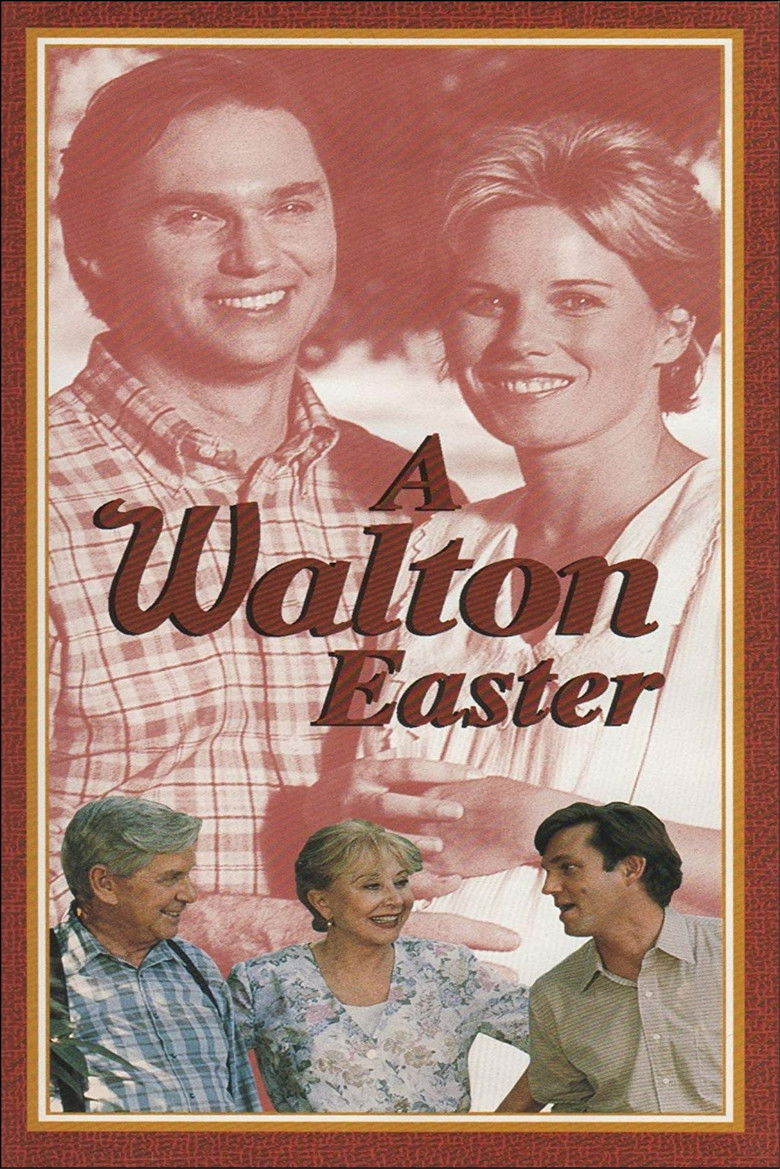
1997
TV-GDirector
Bill Corcoran
Runtime
120 minutes
Average Rating
No ratings yetSynopsis
In 1969, John-Boy is a TV news anchorperson in New York and he is in the throes of writing a new book. He and a very pregnant Janet are making plans to return to Walton's Mountain for the celebration of John and Olivia's 40th wedding anniversary. Accompanying them to see the place John-Boy lived as a child is Aurora, a Time magazine photographer, who is doing a story on John-Boy. Meanwhile, Elizabeth arrives back from her travels and announces to Drew, who is still working at the mill with Ben, that she is back to stay. She is very upset to find that Drew did not wait for her, and that he has a new girlfriend. Also, problems arise for John-Boy and Janet because the longer John-Boy stays on the mountain, the more he becomes convinced that he would like to settle down there, raise his family, and continue with his writing whereas Janet wants to stay in New York.
Overall Score
Limited
Category Breakdown
LGBTQ+ Representation
The film centers on heteronormative family structures and traditional romantic pairings. There is no presence of non-cisnormative identities or critiques of conventional domesticity.
Gender Representation
Janet displays agency through her career and lifestyle preferences. However, the conflict relies on traditional gendered roles regarding domesticity versus metropolitan life.
Racial & Ethnic Diversity
The cast appears predominantly homogeneous, reflecting the era-specific social constraints of a 1960s rural community. There is no indication of racial blending.
Religious & Cultural Diversity
The story celebrates traditional Western institutions like the nuclear family and long-term marriage. It prioritizes heritage and the preservation of familial legacy.
Disability Representation
The narrative provides no information regarding characters with visible or invisible disabilities, neurodivergence, or chronic illness.
Strengths
Areas for Improvement
AI Analysis
A Walton Easter functions as a nostalgic celebration of traditional American values and familial stability. The narrative architecture is designed to reinforce conventional social hierarchies rather than disrupt them. It focuses on the internal dynamics of a stable, heteronormative family unit. While the film explores individual agency through characters like Janet, these tensions remain rooted in established social norms. The setting and characterizations reflect a homogeneous, era-specific view of rural life that lacks intersectional complexity. Ultimately, the film prioritizes continuity and heritage. It offers a view of community and morality that adheres to historical status quos rather than engaging with systemic critique or diverse identities.
No reviews yet. Be the first to share your thoughts on this movie!
Use the rating form above to leave a star rating and optional review.