
Raven's Touch
2015
No user ratings available yet
Diversity score: 6.5 out of 10
2020
Not RatedDirector
Nicole Conn
Runtime
111 minutes
Average Rating
No ratings yetSynopsis
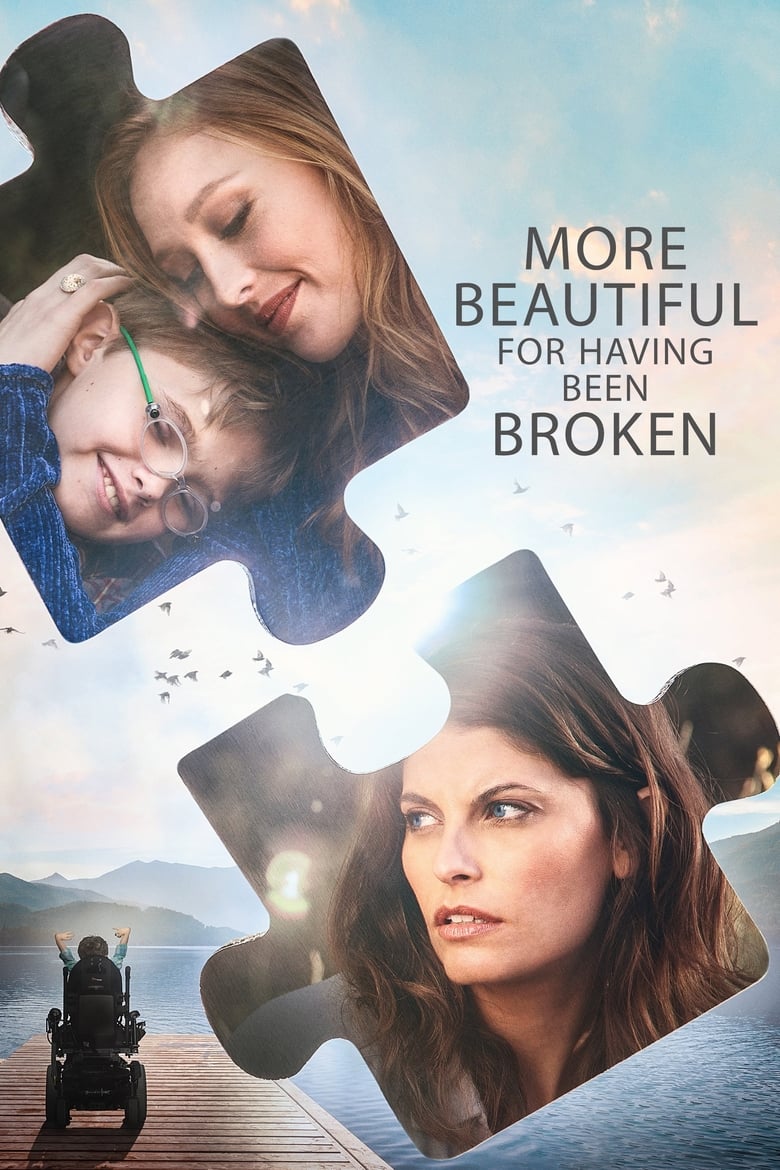
Three women’s lives intersect at a lakeside resort and are forever changed by the love of a special needs boy.
Overall Score
Good
Category Breakdown
LGBTQ+ Representation
The film centers its entire narrative on lesbian identity and same-sex romantic attraction. It moves beyond simple inclusion by granting queer protagonists central agency and emotional depth.
Gender Representation
The story disrupts traditional domestic hierarchies by focusing on female agency. It prioritizes the internal emotional landscapes of women navigating self-discovery and shifting marital structures.
Racial & Ethnic Diversity
A predominantly white cast limits the film's intersectional breadth. This creates a more homogeneous social landscape within the central character group.
Religious & Cultural Diversity
The narrative prioritizes individual sexual liberation over traditional religious or institutional morality. It adopts a framework of personal truth and subjective autonomy.
Disability Representation
A special needs child acts as a significant emotional catalyst for the protagonists. However, the child's own agency remains secondary to the adult characters' emotional arcs.
Strengths
Areas for Improvement
AI Analysis
Nicole Conn delivers a specialized narrative that excels in queer-centric storytelling. The film successfully deconstructs heteronormative marriage and prioritizes the lived experiences of LGBTQ+ protagonists, providing them with significant narrative agency. While the film's focus on identity is intentional and deep, it lacks racial intersectionality. The predominantly white cast results in a narrow demographic scope that limits the film's broader social impact. Ultimately, the work is a strong exploration of non-heteronormative relationship structures, though its impact is moderated by a lack of ethnic variety and a secondary treatment of disability agency.
2015

2009

2008

2018

2010
2019

2019
2019
2022

2021

2021

2017
No reviews yet. Be the first to share your thoughts on this movie!
Use the rating form above to leave a star rating and optional review.