
Explorers
1985
No user ratings available yet
Representation score: 0.5 out of 10
Representation Score
Limited
1995
PGDirector
Philip Spink
Runtime
96 minutes
Average Rating
No ratings yetNew Showbiz Analysis
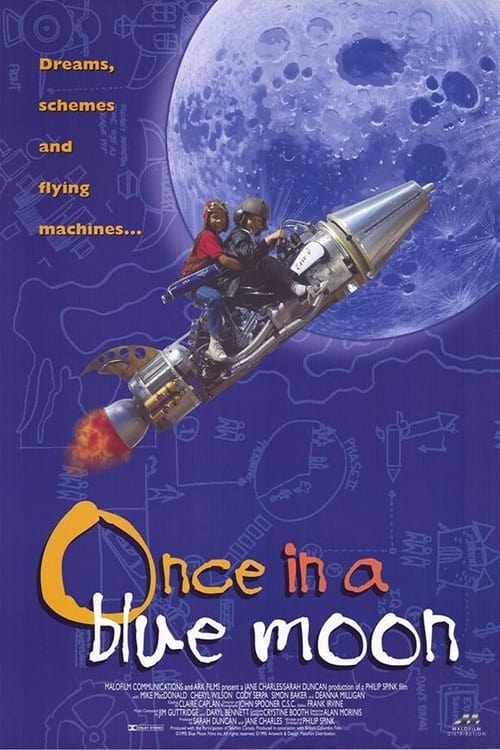
Once in a Blue Moon serves as a character-driven period piece set in the late 1960s. It employs a coming-of-age framework to explore themes of orphanhood and familial instability. The narrative does not focus on broader social restructuring but instead emphasizes personal and familial challenges. The film adheres to traditional mid-90s family adventure clichés while engaging with complex social themes related to family structures. However, it lacks the multi-layered markers or diverse character identities needed for a more inclusive representation. The narrative architecture prioritizes domestic and social complexities within a specific historical context, leaning towards traditional genre conventions.
Category Breakdown
The film does not explicitly address queer identities or relationships outside of traditional norms. It follows a typical coming-of-age storyline focused on personal growth and family dynamics.
The film explores various social issues but does not provide clear examples of challenging traditional gender roles. It centers on children navigating their families and communities.
Set in a suburban Canadian environment, the film does not highlight characters of diverse racial backgrounds or actively leading individuals of color. The narrative remains focused on the main characters' experiences.
By focusing on orphanhood and unstable family situations, the film critiques the idealized nuclear family structure. This approach avoids overly positive representations of conventional family life.
The film does not include any characters with visible or invisible disabilities.
Present on Screen
Limited or Absent
Official Synopsis
Late-1960s suburban Canadian children work on building a rocket vessel, with the intention of delivering one or two neighborhood children to the moon, whilst dealing with social issues of the coming-of-age, orphan-hood and family veins.
1985
1987
1975

2019
2017
1974
2016
1999
No reviews yet. Be the first to share your thoughts on this movie!
Use the rating form above to leave a star rating and optional review.