
Star Trek: Evolutions
2009
No user ratings available yet
Representation score: 9.2 out of 10
Representation Score
Excellent
2018
Director
David Zappone, Ira Steven Behr
Runtime
116 minutes
Average Rating
No ratings yetNew Showbiz Analysis
This documentary serves as a deep dive into the creative architecture that transformed a perceived outlier into a franchise pillar. It succeeds by examining how the series intentionally challenged Western institutional clichés and singular morality. The film excels in its analysis of systemic critiques, particularly regarding post-colonialism and multi-ethnic casting. It provides a sophisticated look at how identity politics and complex social landscapes were woven into the narrative fabric. While the retrospective is rich in sociological depth, it offers less specific focus on physical or neurodivergent disability. The emphasis remains primarily on the broader political and cultural shifts within the series.
Category Breakdown
The film highlights how the series normalized LGBTQ+ identities within science fiction. It validates the intentionality behind groundbreaking queer character depictions and their impact on audience perception.
The documentary examines female characters like Kira Nerys and Jadzia Dax who play significant roles in driving the story. It explores how the narrative moved away from traditional hierarchies to center women in political and military plots.
The analysis explores the series' commitment to a multi-ethnic, non-Anglo-Saxon ensemble. It notes how diverse casting was used to reflect a globalized future and disrupt homogeneous space opera standards.
The film emphasizes sophisticated post-colonialist frameworks, specifically through the Bajoran occupation. It explores the deconstruction of Utopian clichés in favor of complex themes like imperialism and systemic power.
Dedicated analysis of neurodivergence or physical disability is less prominent than broader sociological themes. However, discussions of character trauma and psychological resilience provide a baseline for non-traditional arcs.
Present on Screen
Limited or Absent
Official Synopsis
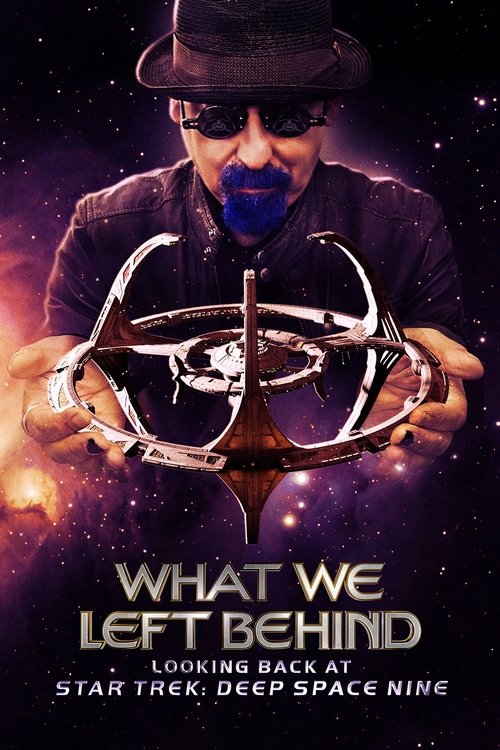
A documentary exploring the legacy of Star Trek: Deep Space Nine, the reasons it went from the black sheep of Star Trek to a beloved mainstay of the franchise, and a brainstorm with the original writers on what a theoretical eighth season of the show could look like.
2009
2011

2016
2004
1988
2016

2012
2010
No reviews yet. Be the first to share your thoughts on this movie!
Use the rating form above to leave a star rating and optional review.