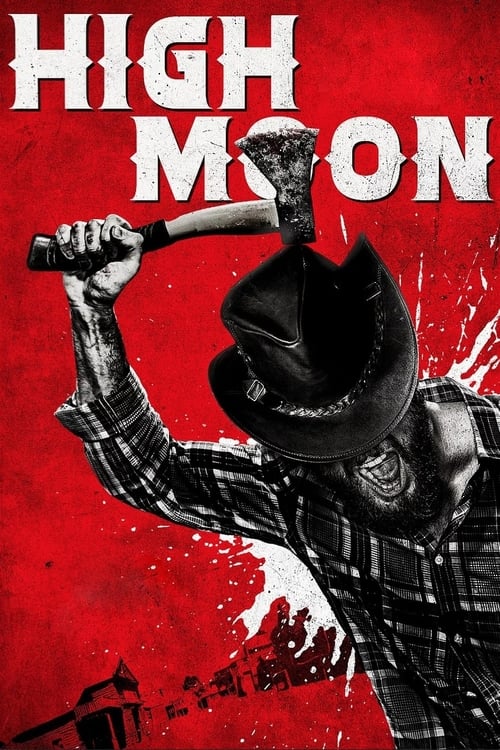
High Moon
2019
No user ratings available yet
Representation score: 0.6 out of 10
Representation Score
Limited
2006
RDirector
Gerald Nott
Runtime
90 minutes
Average Rating
No ratings yetNew Showbiz Analysis
The film operates as a conventional genre piece, prioritizing the mechanics of a horror-western over social deconstruction. It relies heavily on established survivalist and visceral action clichés within a post-apocalyptic setting. Because the narrative focuses on the immediate physical threat of a zombie plague, it lacks the complexity needed to explore identity politics. The world-building emphasizes a collapsed state and a bounty-driven economy rather than critiquing systemic structures. Ultimately, the production follows traditional genre archetypes. It does not attempt to disrupt racial, gendered, or cultural norms, resulting in a narrow focus on individual and small-group survival.
Category Breakdown
The film does not include any visible LGBTQ+ characters or storylines. It focuses solely on the physical threat of the undead, leaving no room for exploring sexual orientation or gender identity.
Female characters play key roles in the survival struggle, but the film adheres to traditional gender roles. The narrative does not challenge established hierarchies or conventional expectations of leadership and strength.
The cast and setting do not show significant racial or ethnic diversity. The production features a homogeneous ensemble typical of mid-2000s genre films, following historical Western clichés.
The collapse of social order is presented as a given rather than a critique of religion or capitalism. The focus remains on pragmatic survival within a fractured social contract.
The undead represent a loss of ability to act, but they function as antagonists rather than characters. There is no meaningful representation of neurodivergence or visible disabilities among the living.
Present on Screen
Limited or Absent
Official Synopsis
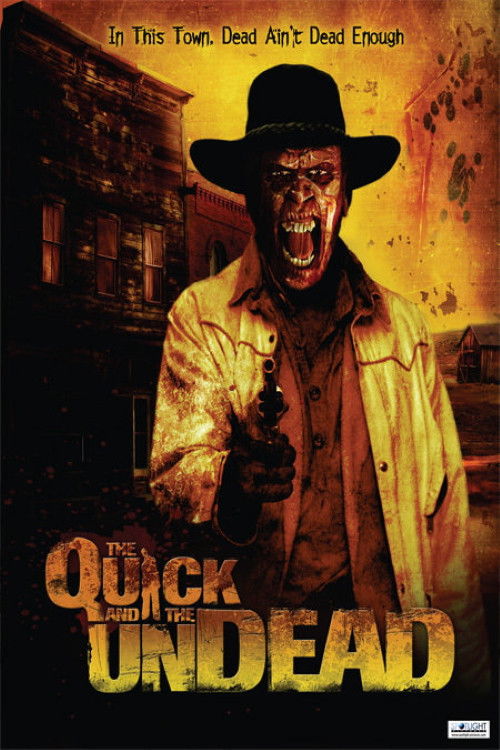
The movie takes place in the present, but in this universe, a plague has broken out and the infected have been transformed into zombies. No explanation is provided for the source of the plague, nor is it explained how the original victims were infected, since by the time the narrative begins the infection spreads by bite. Nevertheless, the action starts 80 years after the initial outbreak. The western United States has devolved into a disconnected series of ghost towns overrun by zombies, and the government is awarding bounties in exchange for the pinkies of the undead.
2019
2011

2017

2008
2010
2007
2015

2016
No reviews yet. Be the first to share your thoughts on this movie!
Use the rating form above to leave a star rating and optional review.