Hotel Rock'n'Roll
2016
No user ratings available yet
Diversity score: 4.2 out of 10
1989
Director
Goran Gajić, Vladimir Slavica, Zoran Pezo
Runtime
106 minutes
Average Rating
No ratings yetSynopsis
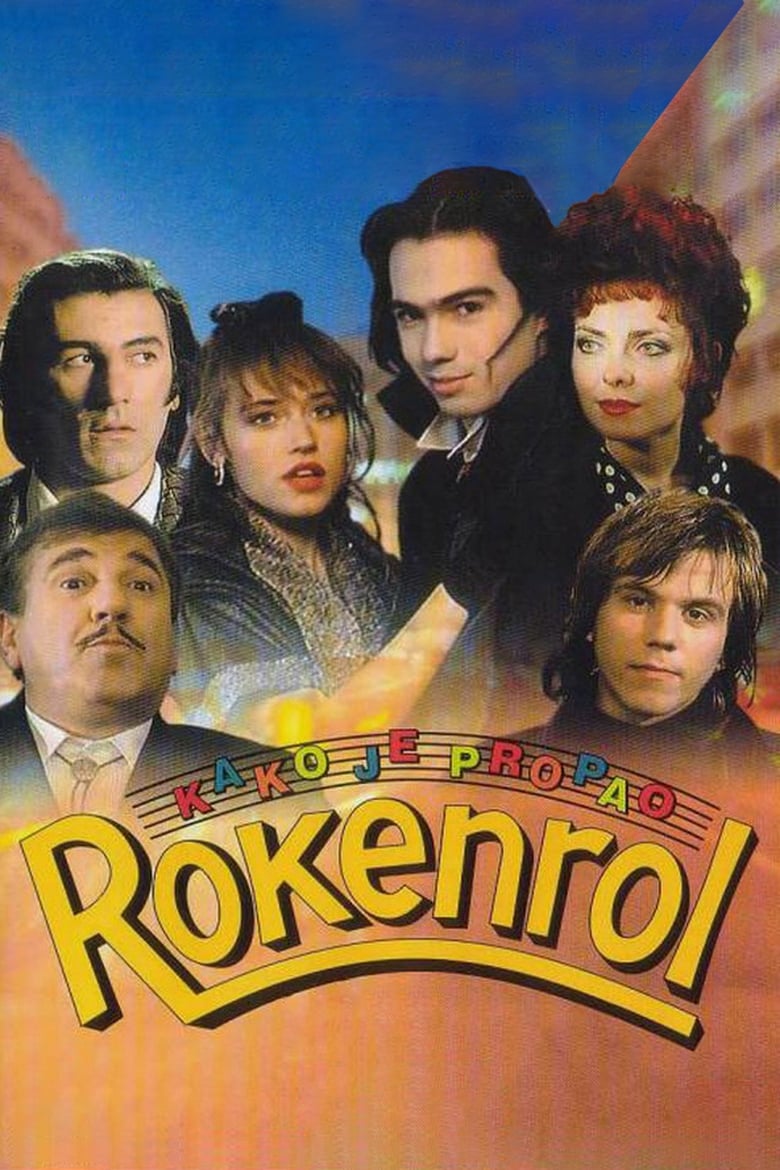
Omnibus film, consisting of three independent parts: in the first story, Koma, a failed rocker, wants to prove to his producer father that newly composed music could be better than his. He becomes a mysterious masked folk singer-known as Ninja. In the second, Dracula is killed... again. This time he does not dies oby way of a wooden stake, a silver bullet, or a cross. A blonde woman manages to deprive him of eternal life without the help of sunrise. The last story is about Eve and Djuro. She is creator, he is a musician. They live in a harmonious relationship, but a love letter brings division among them.
Overall Score
Fair
Category Breakdown
LGBTQ+ Representation
The film lacks explicit depictions of LGBTQ+ identities or non-heteronormative relationships. The stories focus on a rocker's father, a vampire's encounter with a woman, and a couple named Eve and Djuro.
Gender Representation
The narrative subverts traditional roles by giving a woman the agency to defeat Dracula without patriarchal symbols. Additionally, Eve is framed as a creator, reversing typical submissive female archetypes.
Racial & Ethnic Diversity
Reflecting its Yugoslavian origins, the film likely features an ethnically homogeneous Balkan cast. There is no evidence of intentional racial diversity or the use of metaphors for ethnic dynamics.
Religious & Cultural Diversity
The film deconstructs established myths by reimagining Dracula and rock and roll through a comedic lens. It challenges traditional folklore and critiques generational authority within musical institutions.
Disability Representation
There is no mention of characters possessing visible or invisible disabilities within the narrative segments provided.
Strengths
Areas for Improvement
AI Analysis
The film operates as a genre-bending omnibus that prioritizes mythic deconstruction over intersectional representation. It succeeds in subverting gendered power dynamics and traditional folklore, offering a pluralistic view of storytelling through its fragmented structure. However, the work remains limited by a lack of visible LGBTQ+ agency and a likely ethnic homogeneity tied to its regional production context. While it avoids some traditional tropes, it does not actively engage with broader systemic critiques of race or identity.
2016
2006
1982
2000
1982
1993
1990
2001
2015
2021
1973
1990
No reviews yet. Be the first to share your thoughts on this movie!
Use the rating form above to leave a star rating and optional review.