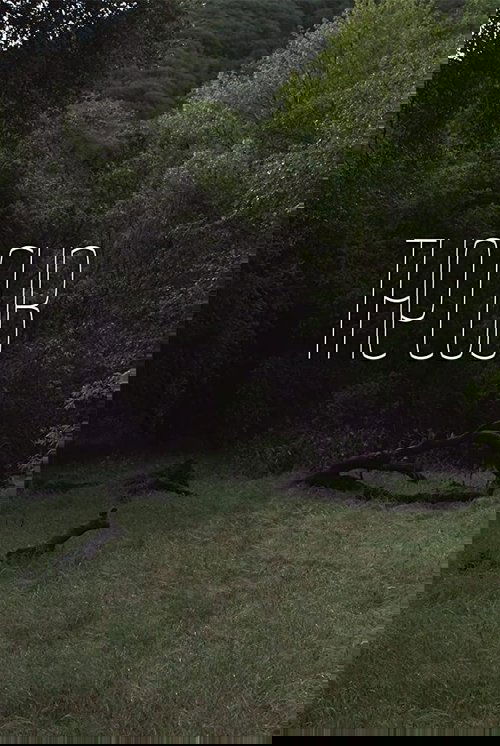
The Cub
2013
No user ratings available yet
Diversity score: 4.0 out of 10

2011
Director
Andrew Cividino
Runtime
10 minutes
Average Rating
No ratings yetSynopsis
Researchers discover a radical cure for digestive tract illnesses by transplanting pig organs into the human body. Medical miracle morphs into pop phenomenon as eating garbage explodes in popularity, but society may not be prepared for consequences more chilling and irreversible than a fleeting fad.
Overall Score
Fair
Category Breakdown
LGBTQ+ Representation
The film lacks explicit LGBTQ+ characters or narratives addressing non-cisnormative identities. It focuses on biological and societal metamorphosis rather than interpersonal identity politics.
Gender Representation
The story centers on a male protagonist undergoing a medical transformation. There is little evidence of female agency or the subversion of masculine leadership within the narrative.
Racial & Ethnic Diversity
The narrative prioritizes a biological dichotomy over racial or ethnic distinctions. There is no evidence of intentional intersectional casting or specific racial representation in the provided context.
Religious & Cultural Diversity
The film offers a sharp critique of Western institutional stability and capitalist consumption. It uses satire to deconstruct social order through the lens of medical advancement and societal collapse.
Disability Representation
The protagonist's journey begins with a life-threatening intestinal cancer. This provides a baseline for representing medical vulnerability and the agency involved in experimental treatments.
Strengths
Areas for Improvement
AI Analysis
This satirical short film prioritizes philosophical and systemic critique over demographic representation. It uses a high-concept biological metaphor to explore the fragility of Western social structures and the consequences of unchecked medical progress. While the film excels at cultural commentary regarding consumerism and institutional failure, it lacks depth in traditional identity-based metrics. The narrative focus remains on the human-versus-porcine transformation rather than diverse social identities. Ultimately, the work functions as a deconstruction of civilization itself, trading interpersonal identity politics for a broader investigation of societal collapse.
2013
2021
2020
2014

2020
2008

2017

2017

2018
2003
1973
2015
No reviews yet. Be the first to share your thoughts on this movie!
Use the rating form above to leave a star rating and optional review.