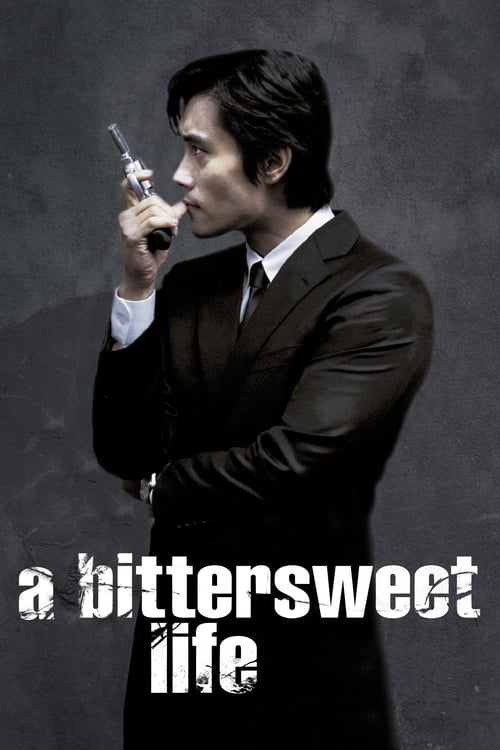
A Bittersweet Life
2005
No user ratings available yet
Diversity score: 2.5 out of 10

2011
Director
Hajime Hashimoto
Runtime
125 minutes
Average Rating
No ratings yetSynopsis
In the Susukino red light district of Sapporo, a private detective (Yo Oizumi) drinks alcohol with his driver Takada (Ryuhei Matsuda) in his favourite bar. There he receives a phone call from a woman who identifies herself as Kyoko Kondo. The woman asks the detective to complete a simple task. The detective, having an excellent sense for danger, thinks the work is easy and accepts the case. The next day he begins the investigation.
Overall Score
Limited
Category Breakdown
LGBTQ+ Representation
The film lacks explicit evidence of non-cisnormative identities. The narrative focuses on a traditional detective-client dynamic within a red-light district setting.
Gender Representation
Agency is concentrated in the male protagonist and his associate. While a woman initiates the plot, she serves primarily as a catalyst for male-led action.
Racial & Ethnic Diversity
As a Japanese production set in Sapporo, the cast is predominantly East Asian. The film adheres to a culturally homogeneous framework without exploring multi-ethnic intersections.
Religious & Cultural Diversity
The Susukino red light district provides a backdrop of social fringes. However, the story follows a standard noir framework rather than offering systemic social critiques.
Disability Representation
There is no information available regarding the depiction of physical or neurodivergent characters in this work.
Strengths
Areas for Improvement
AI Analysis
Phone Call to the Bar operates within the established boundaries of the crime and noir genres. It prioritizes traditional masculine-led tropes, centering the detective archetype rather than exploring diverse social identities. The film reflects the demographic reality of its Japanese setting but does not seek to subvert cultural homogeneity. It functions as a localized genre piece rather than a vehicle for progressive social commentary. Ultimately, the narrative architecture favors genre conventions over the disruption of traditional social hierarchies or the centering of marginalized perspectives.
2005

2023

2013

2014
No reviews yet. Be the first to share your thoughts on this movie!
Use the rating form above to leave a star rating and optional review.