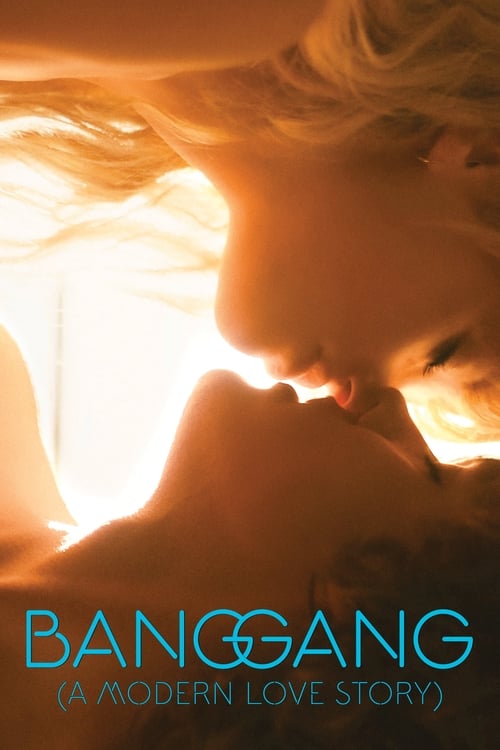
Bang Gang (A Modern Love Story)
2015
No user ratings available yet
Representation score: 4.3 out of 10

Representation Score
Excellent
2014
Director
Ryan Murphy
Runtime
90 minutes
Average Rating
No ratings yetNew Showbiz Analysis
Open is a sophisticated biographical drama that integrates identity politics into a cohesive mid-century narrative. It stands out by placing a South Asian, queer protagonist at the center, ensuring his orientation and ethnicity are crucial to the plot. The film's strength lies in its critique of patriarchal and immigrant family structures. By presenting the protagonist's journey as a disruption of established hierarchies, it offers a nuanced view of the tension between cultural heritage and individual freedom. While the film provides deep insights into the HIV/AIDS epidemic, its exploration of disability is limited to the tragic context of the crisis, lacking a broader spectrum of lived experiences.
Category Breakdown
The film focuses on a queer protagonist, making the LGBTQ+ experience central to the plot. It delves deeply into same-sex relationships and the impact of the HIV/AIDS epidemic.
The narrative challenges traditional gender roles by showing the protagonist's struggle against his father's expectations. This allows the protagonist to define himself independently of conventional masculine norms.
By centering a South Asian, Indian-American experience, the film avoids stereotypical portrayals of the diaspora. It successfully counters the historical focus on Anglo-Saxon experiences in mid-century period dramas.
The story depicts traditional family and religious structures as restrictive forces the protagonist must navigate. It emphasizes individual identity and subjective truth over the rigid morality of his upbringing.
The film highlights the systemic impact of the HIV/AIDS epidemic on chronic illness. However, it does not broadly explore the lived experiences of various disabilities.
Present on Screen
Limited or Absent
Official Synopsis
Modern, provocative exploration of human sexuality and relationships.
2015
2012
2006

2012

2011

2007
2011
2011
No reviews yet. Be the first to share your thoughts on this movie!
Use the rating form above to leave a star rating and optional review.