
Loev
2016
No user ratings available yet
Representation score: 7.0 out of 10
Representation Score
Good
2017
Director
Mohit Goswami
Runtime
70 minutes
Average Rating
No ratings yetNew Showbiz Analysis
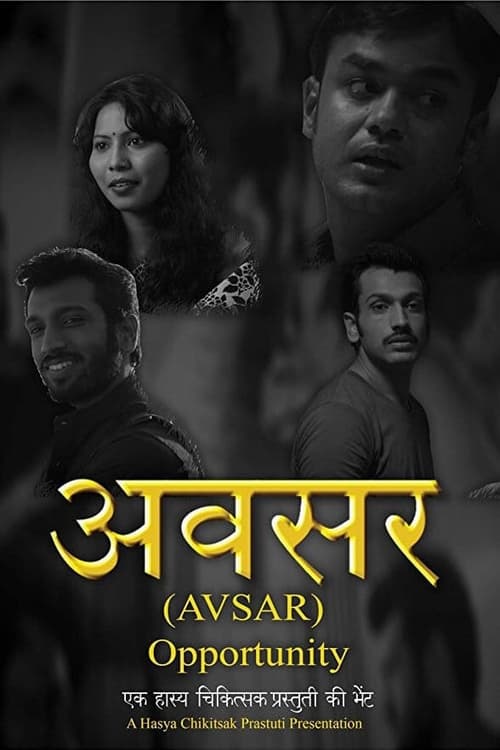
Avsar stands out by placing a queer professional at the heart of a contemporary urban drama. By centering the protagonist's identity rather than treating it as a subplot, the film challenges common cinematic exclusion of non-straight lives. The film also explores internal social complexities, using the contrast between urban and small-town identities to provide a nuanced view of Indian life. This focus on individual ability to act over traditional communal structures adds depth to the character study. However, the film's impact is limited by a lack of significant female character's ability to drive the story and no visible representation of disability. The narrative remains heavily focused on a male-centric emotional landscape.
Category Breakdown
The film focuses on a professional gay man in Mumbai, treating his identity as a central part of the story. It avoids tragic clichés and emphasizes his personal choices and understanding of himself.
The story prioritizes male-centric emotional landscapes and interpersonal dynamics. While it lacks significant roles for female characters, it successfully deconstructs traditional heterosexual patriarchal structures.
Set in Mumbai, the film explores internal Indian diversities through class and geography. The contrast between urbane and rural characters avoids a monolithic portrayal of Indian life.
The narrative favors individual psychological experiences over rigid social or religious mandates. It explores personal truth and ability to act through the protagonist's reflections on his past.
There is no explicit evidence regarding the portrayal of physical or neurodivergent disabilities in the narrative.
Present on Screen
Limited or Absent
Official Synopsis
The story starts with the main protagonist (Rachit) and his friend (Shikhar) entering Rachit's house. Rachit is an urbane guy and Shikhar has a 'small-town' rustic charm - the differences between them are evident during their interactions. But as the evening progresses, Rachit recollects some forgotten memories from a distant past. Together, they revisit the roads not taken; and, the lines between the past and the present get blurred. Set in Mumbai, India, this romantic drama is a contemporary take on the life and relationships of a single professional gay man - his understanding of his identity, missed opportunities, and personal choices.
2016

2016
2013

2012
2009

2016

2012

2020
No reviews yet. Be the first to share your thoughts on this movie!
Use the rating form above to leave a star rating and optional review.