
Rain
2008
No user ratings available yet
Representation score: 7.8 out of 10
Representation Score
Fair
2009
Director
Alberto Rodríguez
Runtime
116 minutes
Average Rating
No ratings yetNew Showbiz Analysis
Alberto Rodríguez's film provides a visceral examination of institutional failure by focusing on the lived experiences of those within the carceral system. It offers a sophisticated critique of systemic power and the corruption of state authority. However, the film lacks demographic breadth, focusing on a hyper-masculine lens that excludes women and queer identities. The social landscape is defined more by class than by ethnic or racial diversity. Ultimately, the work is a study of social instability and the deconstruction of masculinity under extreme conditions. While it lacks traditional representation, it provides a deep look at the margins of Western institutional structures.
Category Breakdown
The film focuses on a hyper-masculine framework and rigid hierarchies, with no representation of LGBTQ+ identities or non-binary gender roles.
The story centers on male-dominated power struggles and violence, with women largely excluded from the main conflict, reinforcing traditional gender roles.
The cast reflects Spain's socioeconomic diversity but lacks ethnic or characters who reflect more than one aspect of diversity, focusing mainly on class differences.
The film critiques traditional Western institutions, portraying the penal system as dehumanizing and corrupt, rather than rehabilitative.
The story explores psychological trauma and mental health issues in a violent environment but does not give characters with visible or neurodivergent disabilities a significant role.
Present on Screen
Limited or Absent
Official Synopsis
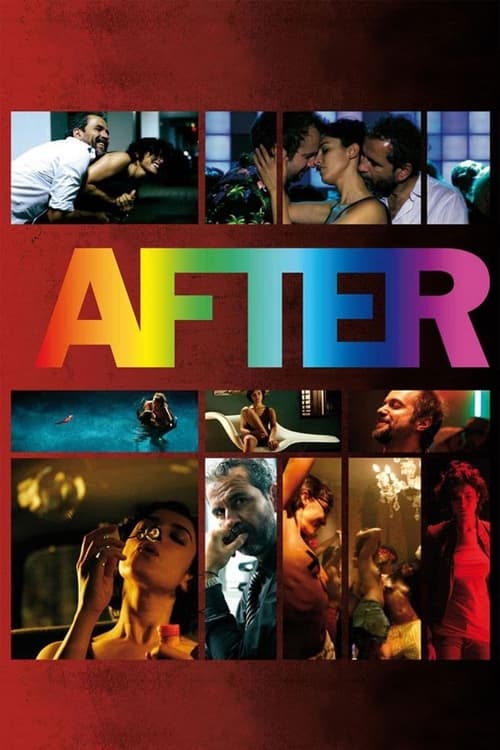
Manuel, Ana and Julio get together in a warm summer night after not having seen each other for a while and set off to explore the night.
2008

2015

2008

2019
2009

2021

2017

2005
No reviews yet. Be the first to share your thoughts on this movie!
Use the rating form above to leave a star rating and optional review.