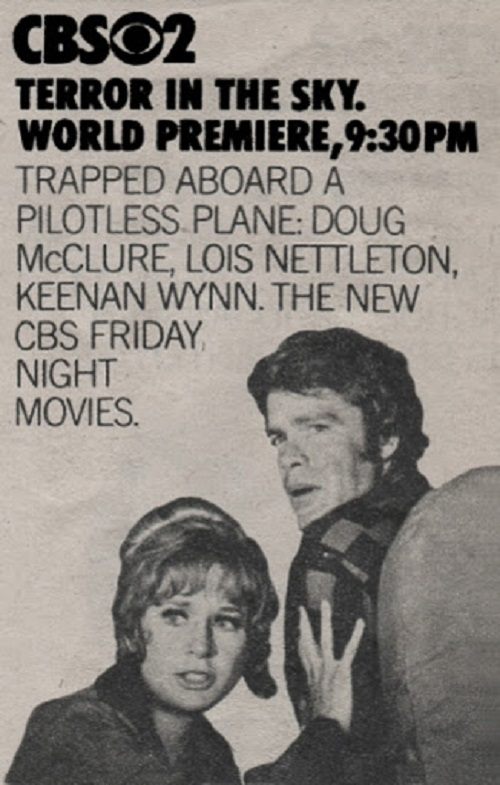
Terror in the Sky
1971
No user ratings available yet
Diversity score: 2.2 out of 10
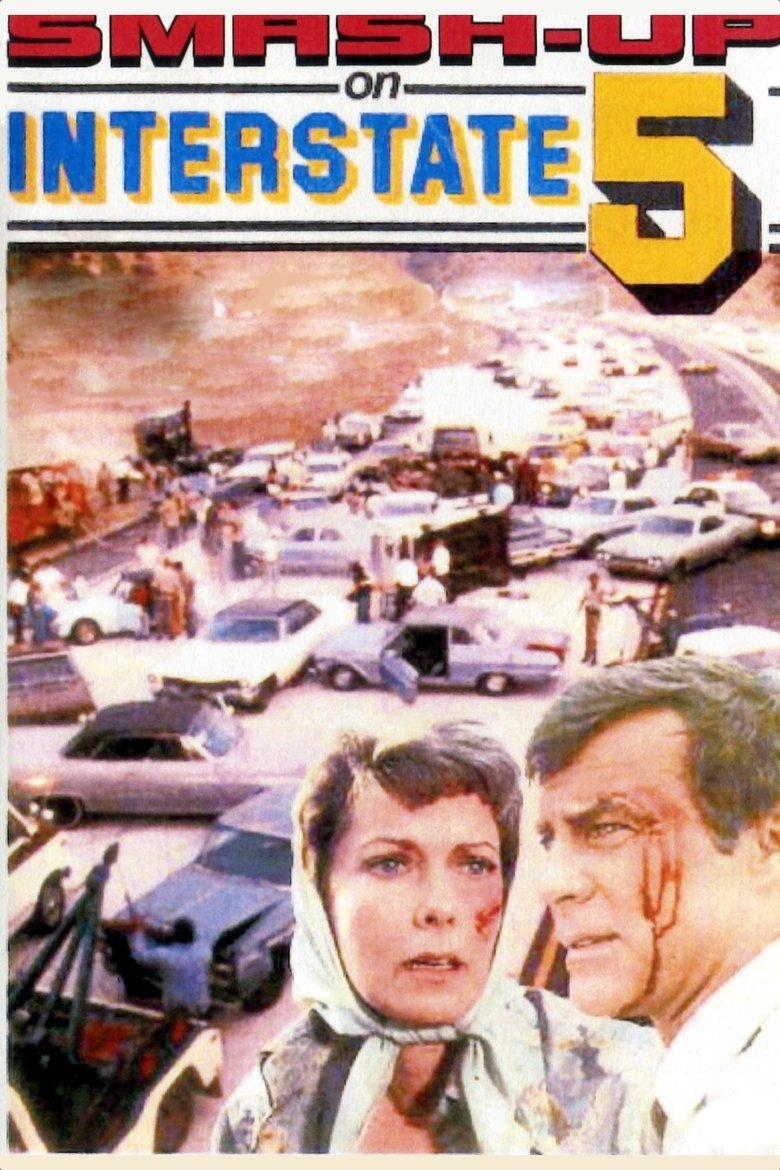
1976
Director
John Llewellyn Moxey
Runtime
100 minutes
Average Rating
No ratings yetSynopsis
In this made-for-TV disaster movie, the lives of a group of motorists are chronicled retrospectively after they're involved in a 39-car pile-up on California's Interstate 5 over 4th of July weekend.
Overall Score
Limited
Category Breakdown
LGBTQ+ Representation
The film lacks discernible LGBTQ+ characters or narratives. Interpersonal dynamics center on traditional pairings, with no evidence of non-cisnormative identities or same-sex intimacy.
Gender Representation
Women provide the narrative's emotional weight, particularly through June Pearson's terminal illness. However, male characters like Sam Marcum hold the primary roles of leadership and investigative agency.
Racial & Ethnic Diversity
The ensemble appears to be a predominantly white, Anglo-Saxon cast. The California highway setting is not used to explore multi-cultural or intersectional themes.
Religious & Cultural Diversity
The story follows traditional Western structures, emphasizing individual responsibility. It reinforces respect for institutional order through its law enforcement protagonist.
Disability Representation
June Pearson offers a nuanced depiction of terminal illness, focusing on psychological and relational impacts. However, the portrayal leans into the trope of the tragic sufferer.
Strengths
Areas for Improvement
AI Analysis
The film is a product of its era, functioning as a character-driven disaster drama that prioritizes traditional storytelling over social disruption. It uses a mass-casualty event to highlight individual fragility rather than challenging systemic hierarchies. While the film provides meaningful engagement with the theme of chronic illness, it lacks the intersectional complexity required for a higher score. The narrative architecture relies on established social archetypes and conventional gender roles. Ultimately, the work focuses on personal tragedy and individual circumstances, offering little in the way of diverse representation or critique of Western institutions.
No reviews yet. Be the first to share your thoughts on this movie!
Use the rating form above to leave a star rating and optional review.