Carwash
2019
No user ratings available yet
Representation score: 4.0 out of 10
Representation Score
Limited
2014
Not RatedDirector
Guillaume Nicloux
Runtime
92 minutes
Average Rating
No ratings yetNew Showbiz Analysis
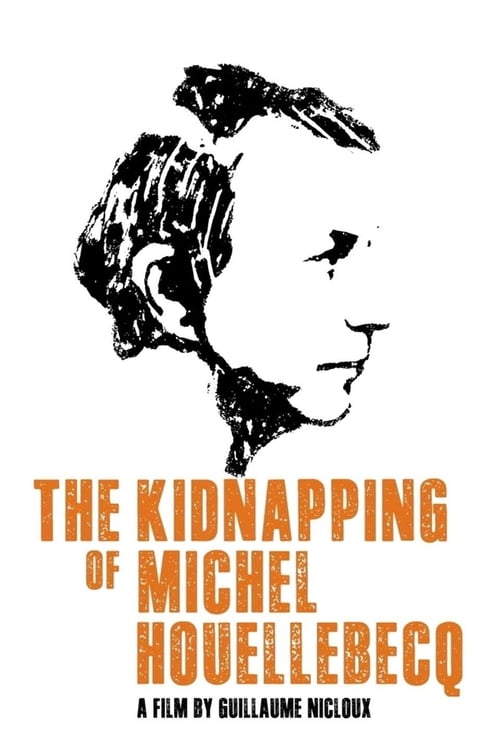
This film serves as a postmodern experiment that prioritizes intellectual subversion over broad demographic representation. It successfully challenges Western social structures and the stability of truth through its mockumentary style. However, the film remains confined to a narrow demographic framework, focusing on a male-dominated, European environment. This limits its impact on a broader social context. Ultimately, the film explores masculine identity and institutional disruption rather than a diverse social landscape.
Category Breakdown
The film touches on queer themes indirectly through the main character's interest in sexual isolation. However, it doesn't include explicit non-traditional gender arcs or direct critiques of the assumption that everyone is straight.
The story focuses heavily on masculinity, emphasizing camaraderie and bodybuilding among men. Female perspectives and roles are largely absent, reinforcing a traditional male-dominated setting.
The cast is predominantly European, with some cultural markers like Polish food mentioned. However, the film lacks diverse casting or references to non-Western cultures.
The film effectively challenges traditional Western institutions and capitalist pressures. It uses a meta-fictional structure to question authority and promote moral flexibility.
There are no central narratives involving visible or invisible disabilities in this film.
Present on Screen
Limited or Absent
Official Synopsis
In September 2011 writer Michel Houellebecq briefly disappeared off the face of the earth. Wild rumours began circulating on the Internet that he’d been abducted by Al-Qaeda or aliens from outer space. Some Twitter users even expressed relief that the controversial author was suddenly no longer around. This film now reveals what really happened: Three tough guys variously with impressive hairstyles and bodybuilder physiques carried off the star intellectual, taking him out of the daily stress of dodging autograph hunters and having his flat renovated and bringing him to a beautiful rural underdog idyll, full of dog grooming, bodybuilding demonstrations, junk cars and Polish sausages. But who was to pay the ransom?
2019

2016
2017
2019
2019

2000
2016

2016
No reviews yet. Be the first to share your thoughts on this movie!
Use the rating form above to leave a star rating and optional review.