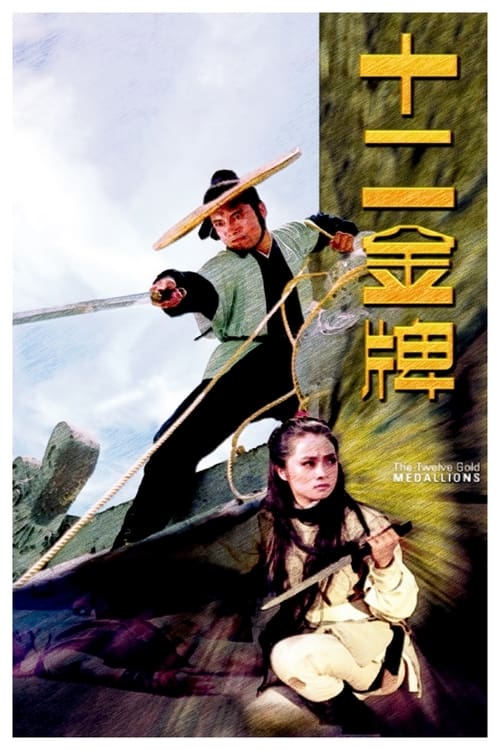
The Twelve Gold Medallions
1970
No user ratings available yet
Representation score: 3.1 out of 10
Representation Score
Fair
1971
Director
Joseph Kuo
Runtime
100 minutes
Average Rating
No ratings yetNew Showbiz Analysis
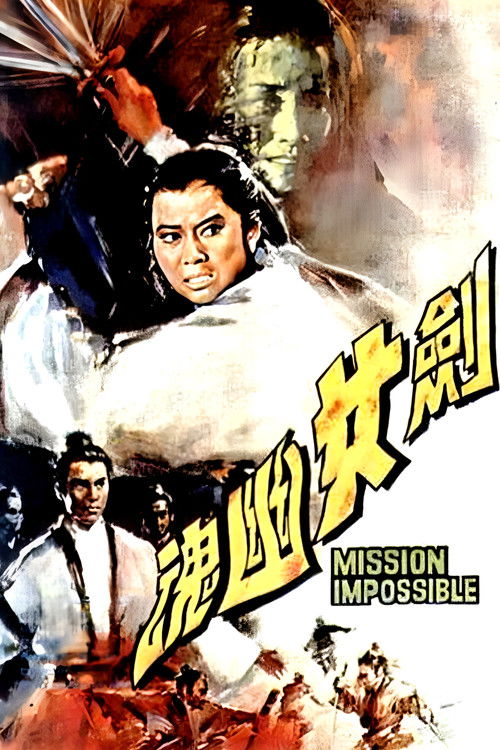
Mission Impossible (1971) stands out for its subversion of traditional gender roles by centering a female protagonist in a high-stakes action journey. While the film incorporates Eastern cultural motifs and spiritual themes, it adheres to conventional action-drama clichés. The narrative follows a standard heroic journey without deeper systemic critique or multi-layered complexity. Ultimately, the film offers a significant departure from traditional gender norms but lacks explicit LGBTQ+ representation or disability-focused narratives.
Category Breakdown
The film lacks explicit LGBTQ+ characters or narratives. The story focuses on a traditional heroic journey, which doesn't include LGBTQ+ themes.
The film centers on a female protagonist who actively drives the main conflict, breaking away from passive roles typically assigned to women.
The movie includes Eastern cultural elements like the Golden Dragon Sword, but the the way different parts of someone's identity overlap of the supporting cast isn't clearly defined.
The plot emphasizes spiritual power and the protection of sacred objects, framing the mission around preserving spiritual integrity.
No characters with physical or neurodivergent conditions are mentioned. Disabilities are not used as plot devices.
Present on Screen
Limited or Absent
Official Synopsis
The daughter of a slain, respected hero embarks on a desperate, heroic odyssey to take the highly coveted Golden Dragon Sword, a weapon of immense spiritual power, back to the Capitol to keep it safe from those who would abuse its might.
1970
1967
1974
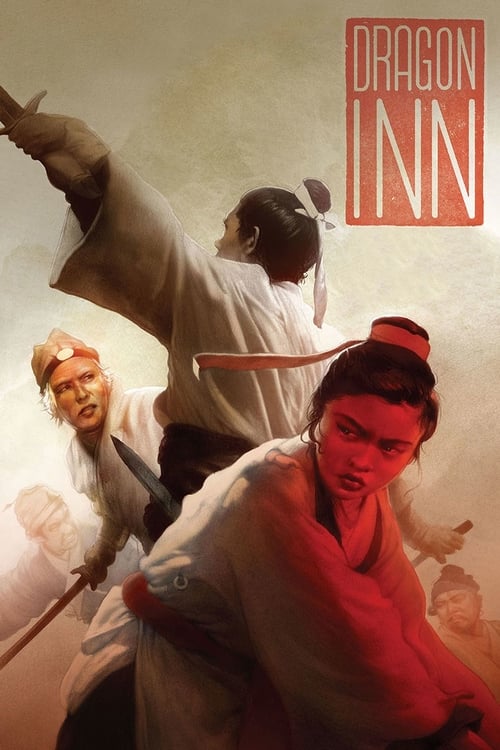
1967
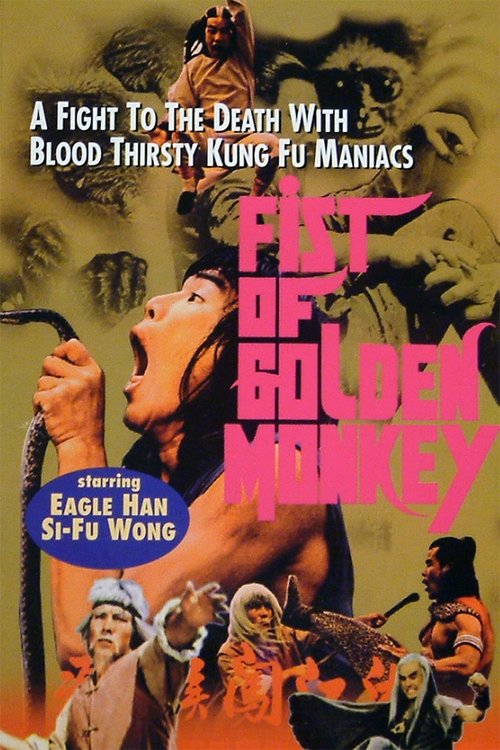
1980
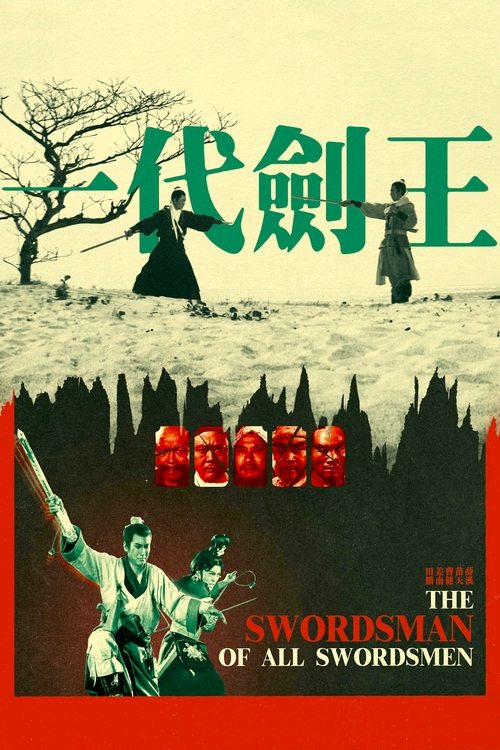
1968
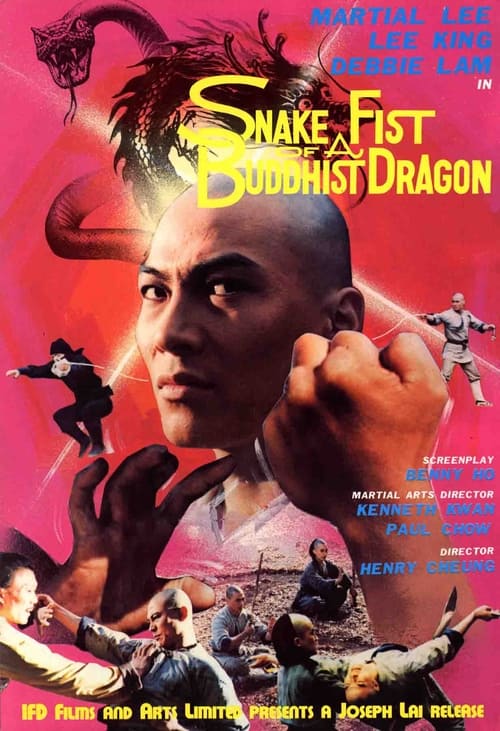
1983
1974
No reviews yet. Be the first to share your thoughts on this movie!
Use the rating form above to leave a star rating and optional review.