Silhouette
2019
No user ratings available yet
Diversity score: 2.3 out of 10
2021
RDirector
Edoardo Vitaletti
Runtime
88 minutes
Average Rating
No ratings yetSynopsis
Winter, 1843. A young woman is under investigation following the mysterious death of her family's matriarch. Her recollection of the events sheds new light on the ageless forces behind the tragedy.
Overall Score
Good
Category Breakdown
LGBTQ+ Representation
The film centers its emotional core on the bond between Mary and Eleanor. Their relationship provides fleeting happiness that resists the rigid social structures of the 1840s. The narrative critiques heteronormative enforcement by framing their connection as a site of resistance.
Gender Representation
Female agency and emotional interiority drive the narrative. The conflict stems from protagonists struggling against repressive matriarchal and patriarchal religious structures. This approach subverts traditional domestic archetypes by presenting oppressive power as something to be overcome.
Racial & Ethnic Diversity
Set in 1843 New York, the story focuses on a homogeneous social unit. There is no evidence of intentional racial blending within the primary family. The film prioritizes class dynamics over racial intersectionality.
Religious & Cultural Diversity
The film offers a sharp critique of strict religious dogma and oppressive family structures. It portrays organized religion as a systemic tool of repression rather than moral guidance. This lens frames authentic human connections as the true source of light.
Disability Representation
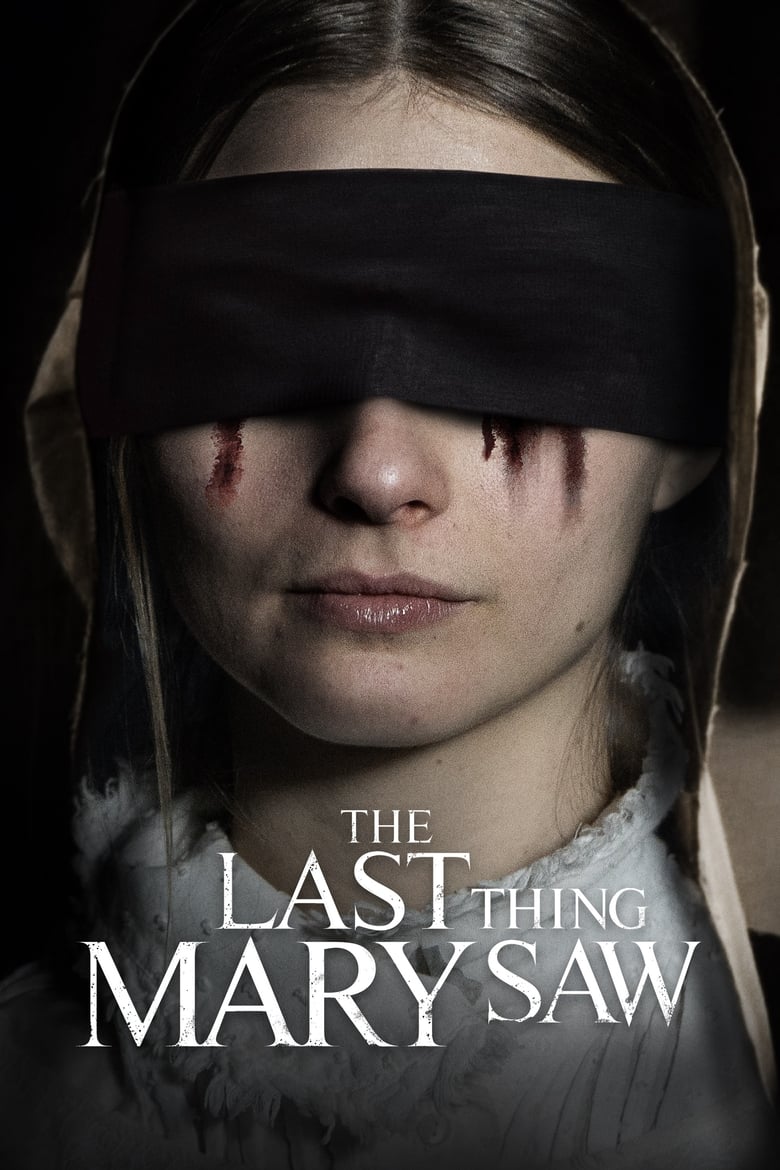
Sensory deprivation is used as a central narrative device through Mary's blindfold. This limitation heightens psychological tension and explores individual vulnerability. It remains unclear if this represents a permanent disability or situational trauma.
Strengths
Areas for Improvement
AI Analysis
The film uses the folk horror genre to dismantle systemic repression. It succeeds by prioritizing the lived experiences of marginalized identities, specifically through its depiction of queer intimacy and its critique of institutionalized religious authority. While the period setting limits racial diversity, the film finds depth in class tensions and the subversion of 19th-century gender hierarchies. It effectively reframes 'sinful' actions as authentic human connections against a dark, institutional backdrop. Ultimately, the work challenges conventional moral frameworks, making the protagonists' struggle against religious dogma the central emotional and thematic driver.
2019

2020
2015

2018
No reviews yet. Be the first to share your thoughts on this movie!
Use the rating form above to leave a star rating and optional review.