For Bread Alone
2004
No user ratings available yet
Representation score: 6.0 out of 10
Representation Score
Good
2012
Director
Kadija Leclère
Runtime
92 minutes
Average Rating
No ratings yetNew Showbiz Analysis
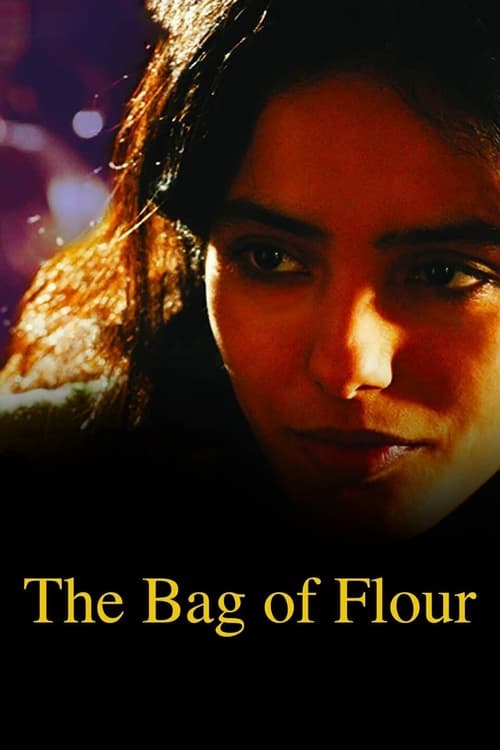
The Bag of Flour is a transnational drama that successfully disrupts Western-centric biographical clichés. By linking European institutional history with North African social realities, the film provides a rich, cross-cultural perspective on identity and survival. The film's primary strength lies in its geographic and cultural breadth. Moving the narrative from a Belgian orphanage to the Atlas Mountains allows for a deep exploration of how different social and religious frameworks shape a single life. However, the film's scope is narrow regarding certain identities. While it excels in racial and gendered ability to act, it offers no visible representation of LGBTQ+ themes or disability, leaving those dimensions of the human experience unaddressed.
Category Breakdown
The film does not explicitly depict LGBTQ+ identities or dynamics that challenge the assumption that everyone is straight. Instead, it focuses on the protagonist's religious and geographic transitions.
The story centers on Sarah, a female protagonist who navigates institutionalized childhood and adolescent rebellion. Her journey highlights women's ability to drive the story despite restrictive social structures.
The film offers high diversity by bridging 1970s Belgium and Morocco. This movement disrupts Eurocentric storytelling by centering a North African context.
The narrative critiques Western institutions through its depiction of a Catholic orphanage. It explores moral complexity by contrasting religious upbringing with life in the Atlas Mountains.
There is no documented evidence regarding the portrayal of physical or neurodivergent disabilities in this work.
Present on Screen
Limited or Absent
Official Synopsis
Based on a true story, this beautifully-shot epic traces the life of Sarah, from her early years in a Catholic orphanage in 1970s Belgium, through her rebellious, poverty-stricken teens in a village in the Atlas mountains of Morocco.
2004
1988
2013
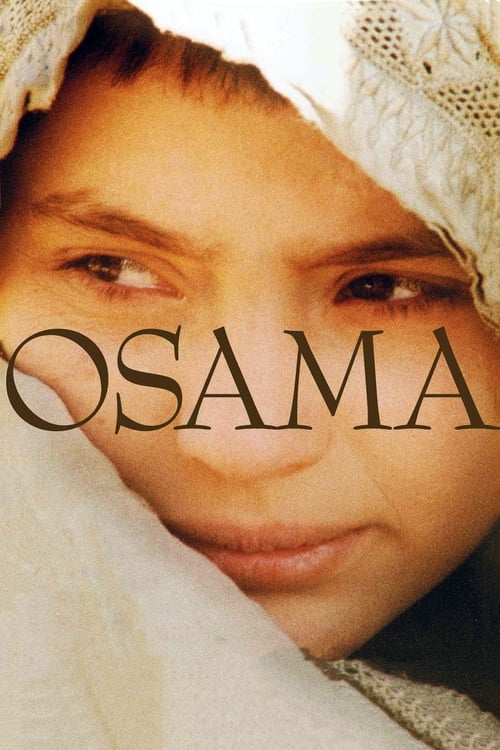
2004
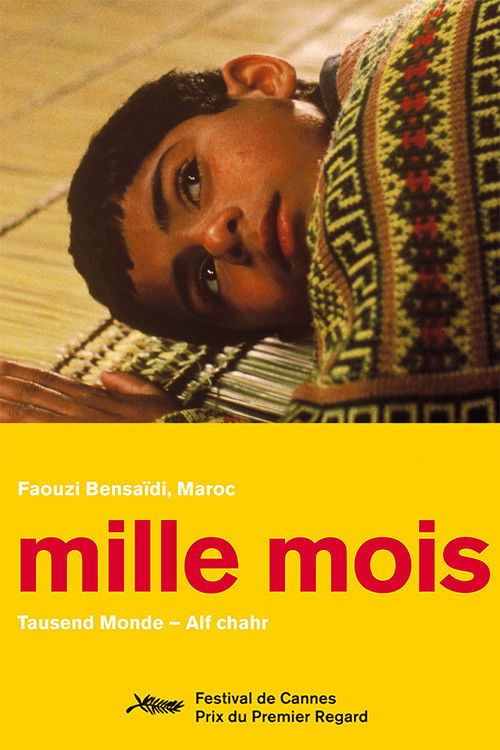
2003
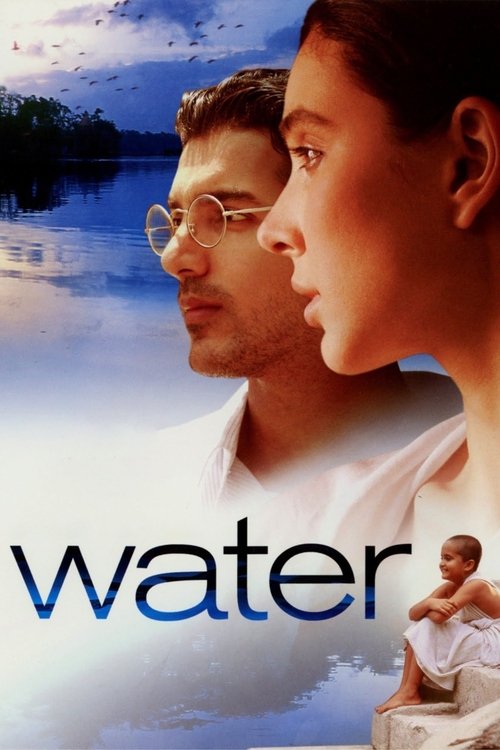
2005
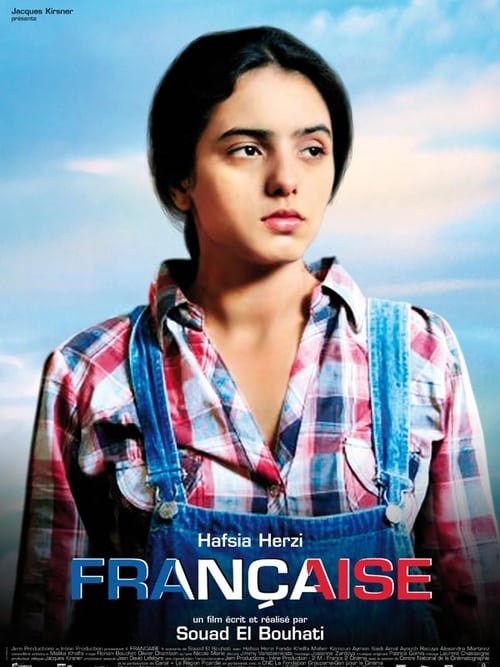
2008
2009
No reviews yet. Be the first to share your thoughts on this movie!
Use the rating form above to leave a star rating and optional review.