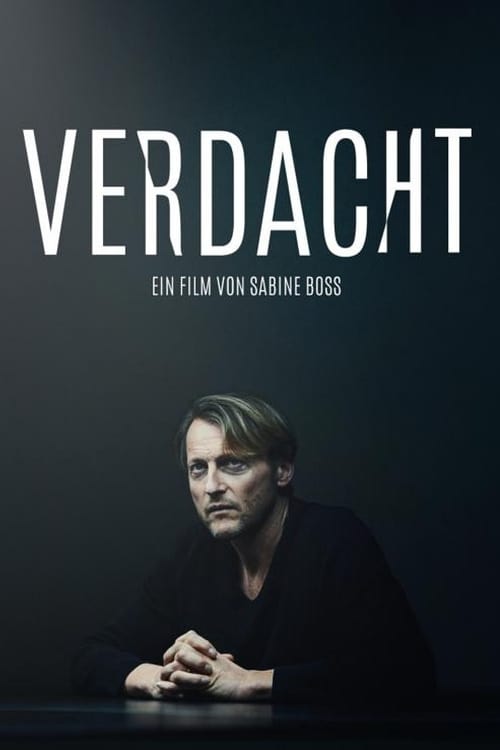
Suspicion
2015
No user ratings available yet
Representation score: 4.3 out of 10

Representation Score
Excellent
2024
Director
Teddy Lussi-Modeste
Runtime
92 minutes
Average Rating
No ratings yetNew Showbiz Analysis
The film stands out in racial diversity by authentically representing the demographics of Seine-Saint-Denis through its casting. This structural choice critiques systemic inequality without relying on stereotypes, providing a strong foundation for its social commentary. LGBTQ+ representation is nuanced, using Julien’s concealed identity and the resulting scandal to critique societal homophobia. The narrative avoids triumphant arcs, instead focusing on a tragic but validating exploration of queer vulnerability within a repressive professional environment. Gender and disability representations are less developed. Female characters drive the plot but lack independent arcs, while the absence of disability portrayal limits the film’s inclusivity. The focus remains on the male protagonist’s crisis and institutional failure.
Category Breakdown
Julien's hidden homosexuality and the public exposure of a private video highlight societal homophobia. The film explores how personal identity intersects with professional vulnerability in a restrictive environment, validating the complexity of queer experiences.
The film challenges the typical male authority figure by showing Julien as powerless. Female characters are mainly defined by their reactions to the accusations. While the student collective fights against male dominance, their stories are tied closely to the main conflict and lack independent development.
By casting a predominantly North African and Black ensemble, the film accurately reflects the demographics of Seine-Saint-Denis. This choice critiques systemic inequality without resorting to stereotypes, breaking away from white-centric European cinema norms.
The film offers a secular critique of institutional failures, showing how mob mentality can override due process. It highlights the breakdown of traditional family support and the shortcomings of conventional justice systems, challenging Western authority structures.
The film focuses solely on psychological and social dynamics, with no significant portrayals of physical, sensory, or neurodivergent disabilities. This absence indicates a gap in the film's overall inclusivity.
Present on Screen
Limited or Absent
Official Synopsis
Julien, a young teacher, is wrongfully accused of sexual misconduct by a teenage girl from his class. As he faces mounting pressures from the girl’s older brother and her classmates, the situation spirals out of control. Allegations spread, the entire school is thrown into turmoil, and the teacher has to fight to clear his name.
2015

2016

2003

2023

2025
2005
2017
2023
No reviews yet. Be the first to share your thoughts on this movie!
Use the rating form above to leave a star rating and optional review.