
Satan's Princess
1989
No user ratings available yet
Diversity score: 2.6 out of 10
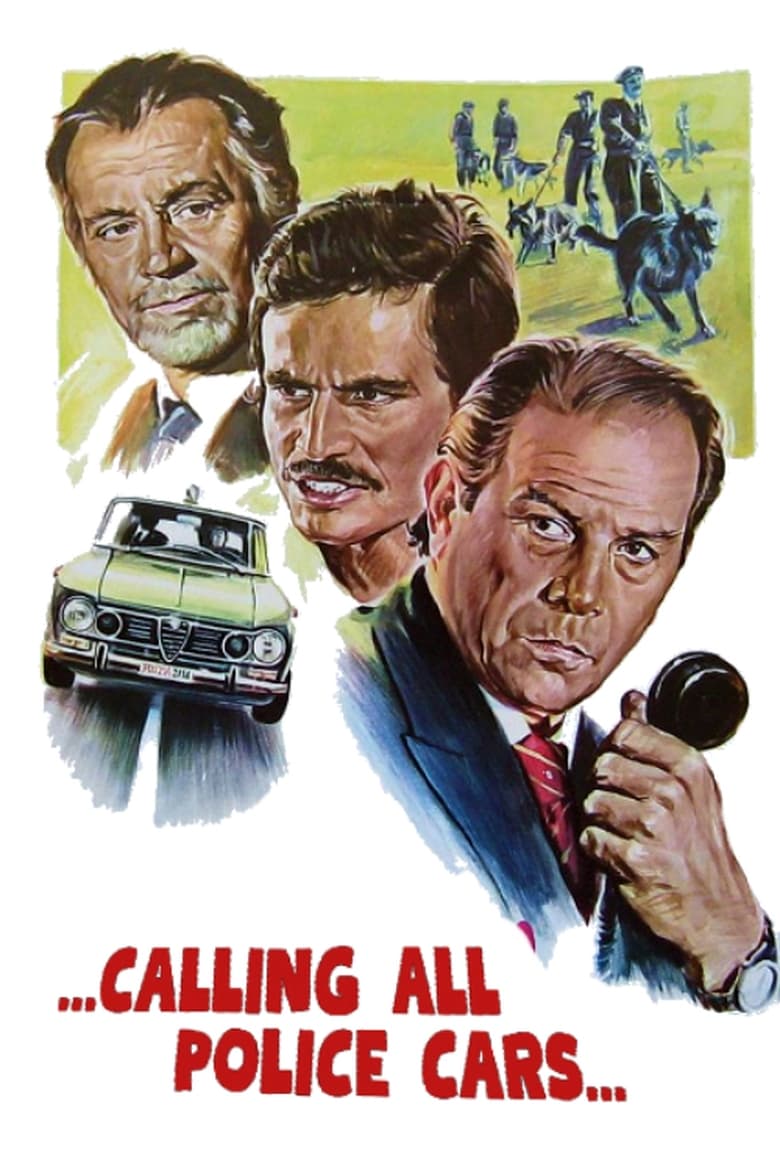
1975
Director
Mario Caiano
Runtime
100 minutes
Average Rating
No ratings yetSynopsis
Story about a young girl, the daughter a prominent doctor. When the girl goes missing her father gets the police to jump into action because of his class status and wealth.
Overall Score
Limited
Category Breakdown
LGBTQ+ Representation
The film lacks any evidence of non-heteronormative identities. The narrative focuses strictly on a traditional familial unit consisting of a father and daughter.
Gender Representation
The story centers on a patriarchal structure where the male doctor holds the primary agency. The daughter serves as a passive subject rather than an active participant.
Racial & Ethnic Diversity
The film likely reflects the demographic homogeneity typical of 1970s Italian crime cinema. There is no indication of intersectional casting or racialized narrative complexity.
Religious & Cultural Diversity
The plot explores social hierarchies through the lens of class-based power. It reinforces established stratifications by showing how wealth influences state authority.
Disability Representation
There is no information available regarding the portrayal of physical disabilities or neurodivergence in this work.
Strengths
Areas for Improvement
AI Analysis
Calling All Police Cars operates as a conventional 1970s genre thriller that prioritizes procedural tension over social critique. The narrative is driven by class privilege, showing how a wealthy individual can leverage state institutions to serve private interests. The film adheres to the established cinematic tropes of its era, focusing on traditional power structures. It lacks an intentional effort to disrupt social hierarchies or provide nuanced, intersectional perspectives. Ultimately, the work functions as a study of socioeconomic influence rather than a diverse or inclusive character study.
No reviews yet. Be the first to share your thoughts on this movie!
Use the rating form above to leave a star rating and optional review.