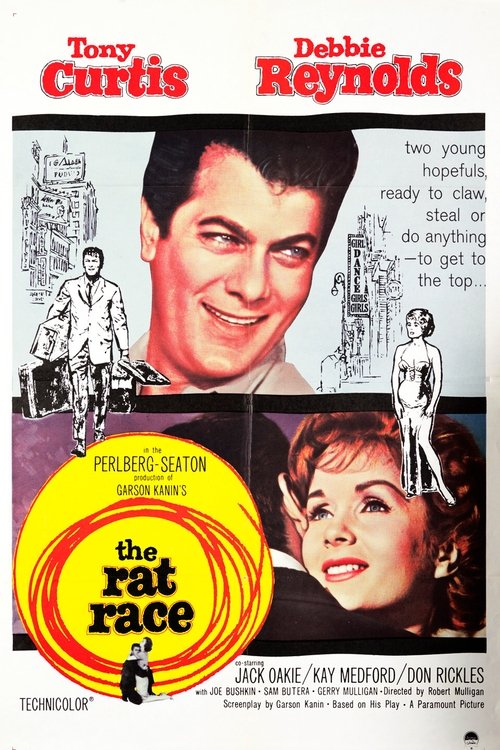
The Rat Race
1960
No user ratings available yet
Representation score: 0.5 out of 10
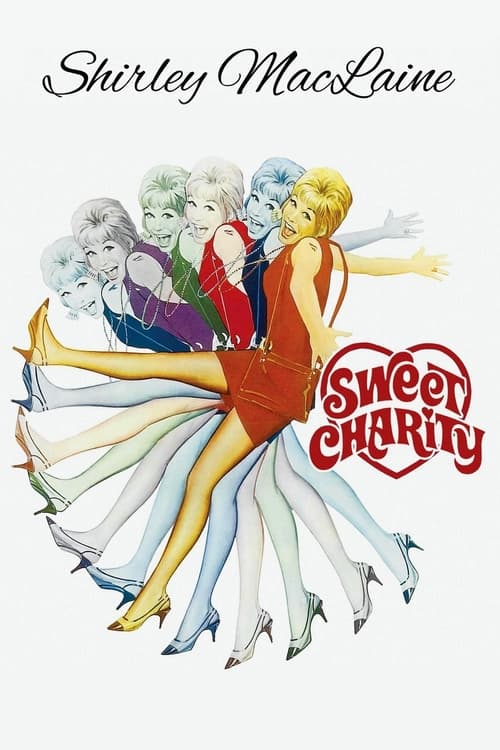
Representation Score
Good
1969
GDirector
Bob Fosse
Runtime
153 minutes
Average Rating
No ratings yetNew Showbiz Analysis
Bob Fosse’s Sweet Charity stands as a transitional work that breaks away from the polished, optimistic clichés of the Golden Age musical. Instead, it adopts a gritty, episodic realism that favors a more cynical, postmodern perspective. The film's primary strength lies in its subversion of traditional patriarchal structures by centering on a woman navigating economic survival in a female-dominated workplace. However, it falls short in explicitly representing LGBTQ+ characters or engaging deeply with racial identity or disability.
Category Breakdown
The film does not feature explicit LGBTQ+ characters or same-sex romantic relationships. The urban setting suggests a diverse social landscape, but the story focuses on traditional heterosexual relationships.
Charity Hope Valentine exemplifies female empowerment and independence. The film highlights female-led workplaces and personal relationships rather than traditional male dominance.
The cast reflects New York City's multicultural population through background roles. However, the storyline does not delve deeply into racial identity or specific ethnic issues.
The film explores moral relativism and the realities of working-class life. It challenges traditional social stability by emphasizing situational ethics and economic necessity.
The film does not intentionally focus on visible or invisible disabilities. Primary character arcs do not include representation for neurodivergent conditions or physical impairments.
Present on Screen
Limited or Absent
Official Synopsis
Taxi dancer Charity continues to have faith in the human race despite apparently endless disappointments at its hands, and hope that she will finally meet the nice young man to romance her away from her sleazy life. Maybe, just maybe, handsome Oscar will be the one to do it.
1960
1952
1965

1953
1967

1971
1952
1967
No reviews yet. Be the first to share your thoughts on this movie!
Use the rating form above to leave a star rating and optional review.