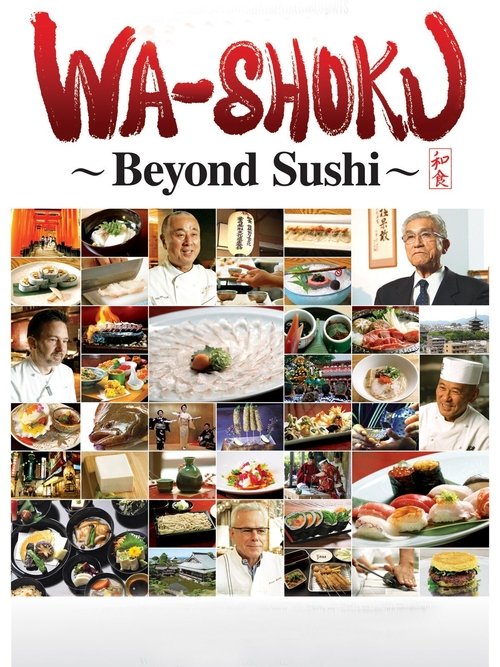
Wa-shoku: Beyond Sushi
2015
No user ratings available yet
Representation score: 2.1 out of 10
Representation Score
Fair
2021
Director
John Daschbach
Runtime
81 minutes
Average Rating
No ratings yetNew Showbiz Analysis
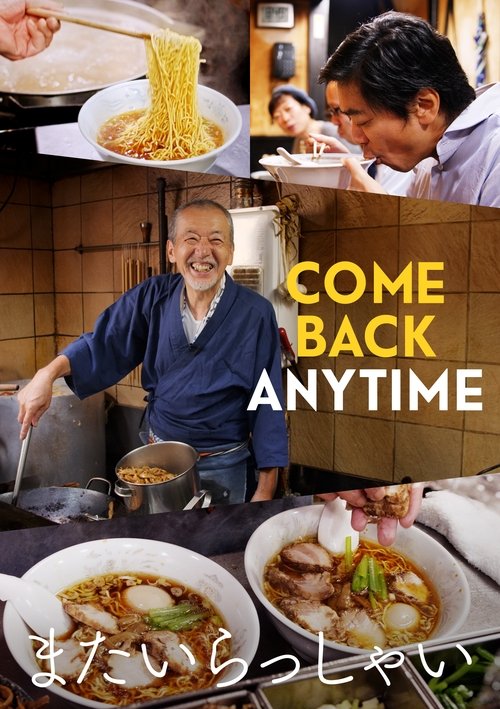
Come Back Anytime is a character study that finds strength in its portrayal of individual ability to act. By focusing on a chef who lacks a traditional successor, the film subtly critiques the burden of inherited social hierarchies and the necessity of institutional continuity. The documentary succeeds in presenting Japanese culinary expertise through a lens of innovation. It avoids treating culture as a museum piece, instead highlighting how the subject's heritage fuels his creative evolution. However, the film's scope is narrow. While it excels at exploring individualistic achievement and the rejection of tradition, it lacks representation across several key demographic categories, leaving much of the social landscape unexamined.
Category Breakdown
The film does not address the sexual orientation or gender identity of its subjects. It explores unconventional life paths without explicitly discussing LGBTQ+ themes.
The narrative centers on Masamoto Ueda, a male chef. It emphasizes his professional autonomy rather than traditional patriarchal roles, breaking down lineage-based models of masculine legacy.
The documentary provides meaningful representation of Japanese culinary culture. It positions non-Western expertise as a source of innovation rather than a static cultural relic.
The film disrupts conventional values placed on lineage and tradition. It frames the absence of an heir as a source of vitality rather than a tragedy.
There is no evidence to suggest that disability, neurodivergence, or chronic illness are central themes or character elements in this work.
Present on Screen
Limited or Absent
Official Synopsis
Without heir or apprentice, Masamoto Ueda's recipes will die with him, which is perhaps the secret to his vitality and hunger for new ingredients and experiences even after 40 years—he is able to invent new techniques and flavours without the burden of tradition.
2015

2014

2011
2016
2017
2019
2021
2020
No reviews yet. Be the first to share your thoughts on this movie!
Use the rating form above to leave a star rating and optional review.