Cosmic Dawn
2022
No user ratings available yet
Diversity score: 4.9 out of 10
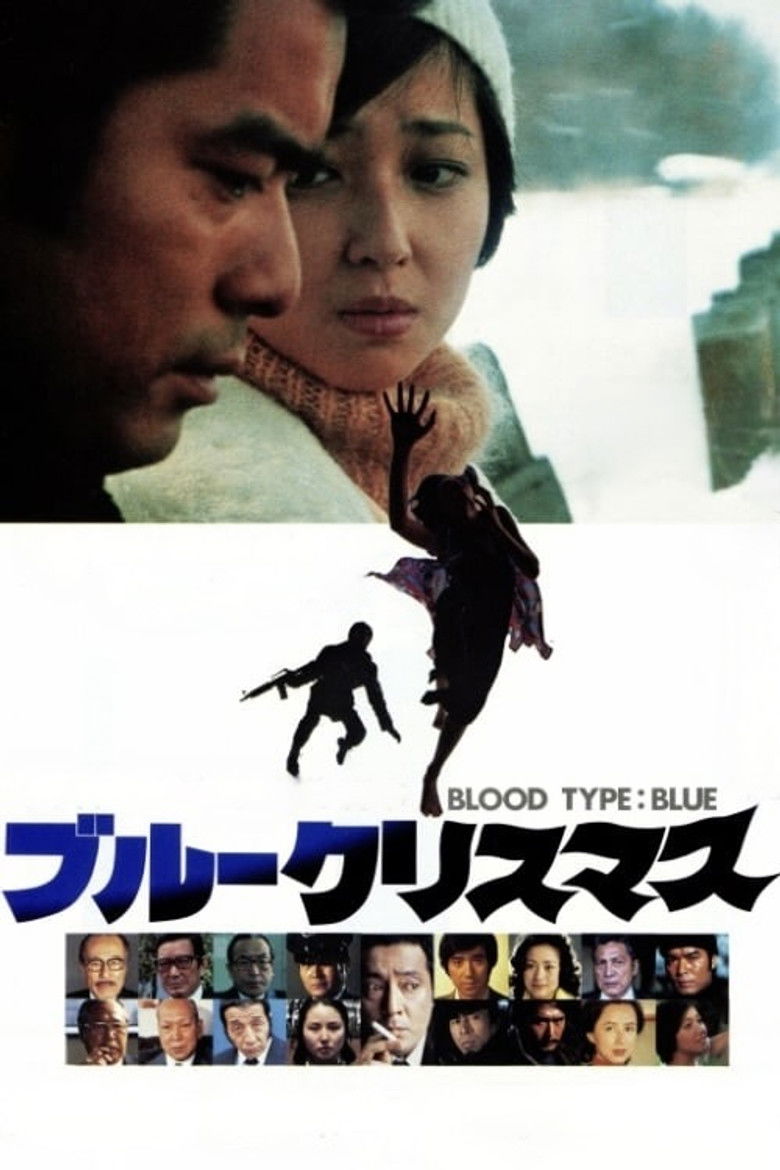
1978
Director
Kihachi Okamoto
Runtime
133 minutes
Average Rating
No ratings yetSynopsis
UFOs appear on Earth, and people who actually see them suddenly find that their blood has turned blue. Soon panic and hysteria result in the new "blue-bloods" being persecuted by the rest of mankind, and eventually certain all-too-familiar measures begin to be taken against them.
Overall Score
Fair
Category Breakdown
LGBTQ+ Representation
The film lacks explicit LGBTQ+ identities or non-cisnormative expressions. While it explores themes of alienation, these are channeled through biological metaphors rather than queer narratives.
Gender Representation
The narrative centers on male-centric camaraderie and socio-political pressures on young men. It lacks female characters with high agency to drive the plot.
Racial & Ethnic Diversity
The cast is predominantly Japanese, reflecting its cultural setting. The blue-blood phenomenon serves as a metaphor for the dehumanization of minorities through biological essentialism.
Religious & Cultural Diversity
The film offers a sophisticated critique of state authority and nationalism. It portrays rising militarism and state-controlled conformity as inherently oppressive forces.
Disability Representation
The blue-blood condition acts as a proxy for visible, involuntary physical differences. However, characters are depicted as victims of persecution rather than individuals exercising agency.
Strengths
Areas for Improvement
AI Analysis
Blood Type: Blue (1978) is a profound social commentary that uses science fiction to critique systemic hegemony. It excels at using the 'blue-blood' metaphor to explore how societies dehumanize those who are perceived as different. The film's strength lies in its intellectual depth regarding institutional oppression and its challenge to state authority. It successfully uses a speculative premise to examine the mechanics of discrimination and the erosion of individual agency. However, the film lacks explicit representation. It relies heavily on metaphor rather than providing direct visibility for LGBTQ+ individuals, women, or specific disability experiences, resulting in a narrow demographic focus.
No reviews yet. Be the first to share your thoughts on this movie!
Use the rating form above to leave a star rating and optional review.
