Find another title
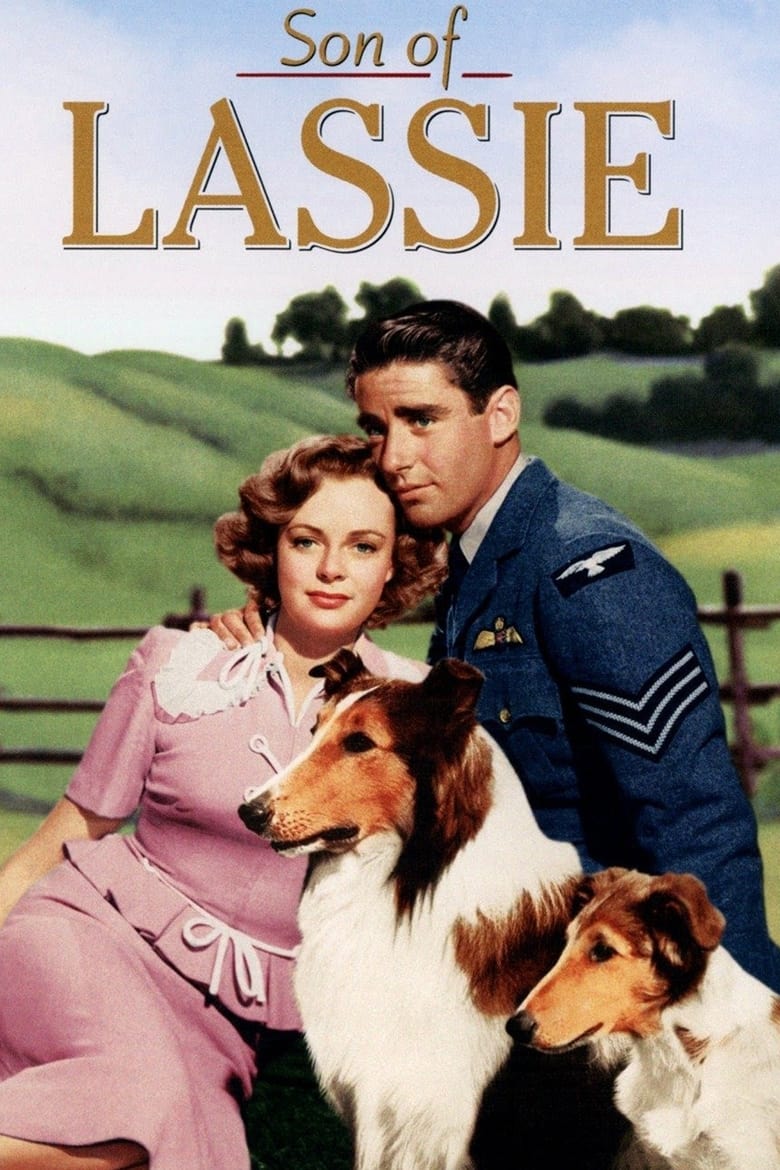
Son of Lassie
1945
GDirector
S. Sylvan Simon
Runtime
102 minutes
Average Rating
No ratings yetSynopsis
Laddie (Son of Lassie) and his master are trapped in Norway during WW2 - has he inherited his mothers famous courage?
Where to Watch
Diversity & Representation
Overall Score
Minimal
Category Breakdown
LGBTQ+ Representation
The film contains no discernible LGBTQ+ characters or narratives. The story is built upon traditional kinship models without any evidence of non-cisnormative identities.
Gender Representation
The narrative centers on a traditional masculine coming-of-age arc between a boy and his dog. It reinforces mid-century archetypes of familial duty rather than subverting gender roles.
Racial & Ethnic Diversity
Set in WWII-era Norway, the film focuses on a localized struggle. It lacks diverse ethnic ensembles or race-bent casting, reflecting the homogeneous social structures of 1940s studio productions.
Religious & Cultural Diversity
The film emphasizes Western values like loyalty and heroism. It upholds conventional moral standards and the stability of the family unit without deconstructing traditional institutions.
Disability Representation
There is no documented evidence of characters with visible or invisible disabilities. The plot does not engage with neurodivergence or physical impairment.
Strengths
- Provides a clear, heroic coming-of-age arc centered on the bond between a boy and his animal companion.
Areas for Improvement
- Lacks intentional intersectional representation or diverse ethnic ensembles.
- Does not engage with neurodivergence, physical disabilities, or non-cisnormative identities.
- Reinforces rigid 1940s gender hierarchies and traditional social structures.
AI Analysis
Son of Lassie is a quintessential product of its era, designed to reinforce rather than disrupt traditional social and moral hierarchies. The film relies on established archetypes of loyalty and wartime courage within a standard Western framework. The narrative architecture prioritizes a streamlined, conventional storytelling approach. It lacks the intentionality required to engage with intersectional identities, focusing instead on a localized, rural struggle during World War II. Ultimately, the film functions as a traditionalist narrative that upholds the mid-century Hollywood status quo.
Rate this Movie
Reviews
No reviews yet. Be the first to share your thoughts on this movie!
Use the rating form above to leave a star rating and optional review.